 RESTORE FIT
Better training starts with better recovery. Smart rings, fitness watches and recovery wearables can help you recognize patterns in sleep and training—but they are not a direct measurement of muscle repair or a substitute for good habits.
Why sleep and recovery matter
Training challenges your body. Recovery gives it time to adapt. Consistent sleep supports attention, health, and daily functioning, while appropriate nutrition and training load remain important for performance. The CDC recommends adults ages 18–60 get at least seven hours of sleep a night. A wearable cannot replace those foundations, but it may reveal when routines are inconsistent. [1]
What fitness trackers actually measure
Sleep duration & stages
Trackers estimate how long you sleep and how much time you spend awake. Algorithms also estimate deep, light and REM sleep; these are not equivalent to clinical measurements.
Heart rate & HRV
Resting heart rate and heart-rate variability may show patterns associated with stress and recovery, but illness, exercise, alcohol and many other factors influence them.
Readiness scores use proprietary formulas to combine selected measurements. A low score does not automatically mean you must skip a workout, and a high score does not guarantee that your muscles have recovered.
Five products worth considering
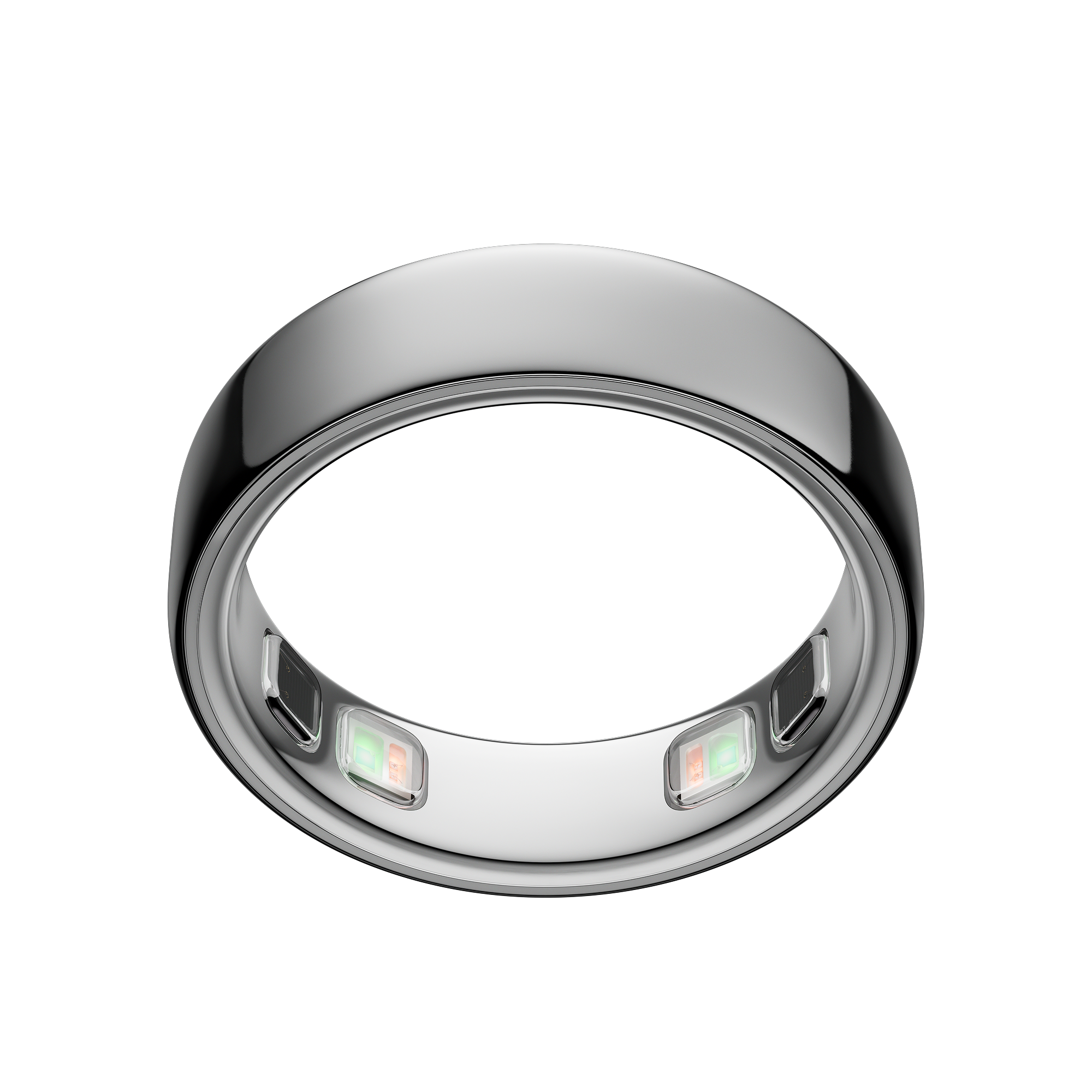
Oura Ring — Discreet Overnight Tracking
Designed for people who prefer a compact ring over a smartwatch at night. The platform focuses on sleep, activity and general wellness trends.
Best for: Minimalist overnight monitoring.
Consider: Ring sizing, the exact model generation, features and subscription requirements should be checked carefully on the listing.
Paid link · As an Amazon Associate I earn from qualifying purchases.
View Oura Ring on Amazon ↗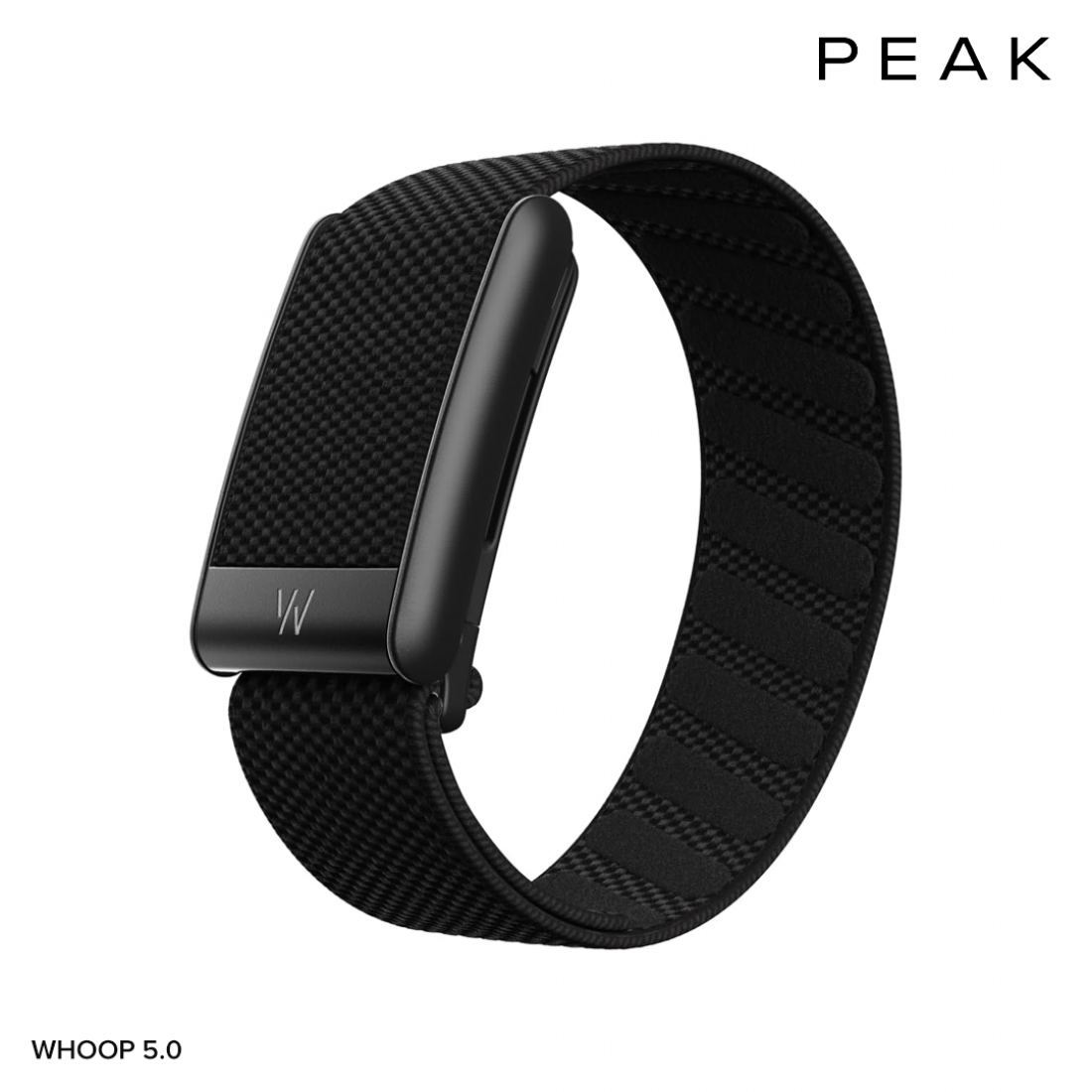
WHOOP 5.0 Peak — Training & Recovery Trends
WHOOP emphasizes the relationship between activity, training strain and sleep. Its reports may appeal to people following structured exercise programs.
Best for: Fitness enthusiasts interested in tracking training demands alongside recovery trends.
Consider: Confirm which features are included in Peak and review its membership terms.
Paid link · As an Amazon Associate I earn from qualifying purchases.
View WHOOP on Amazon ↗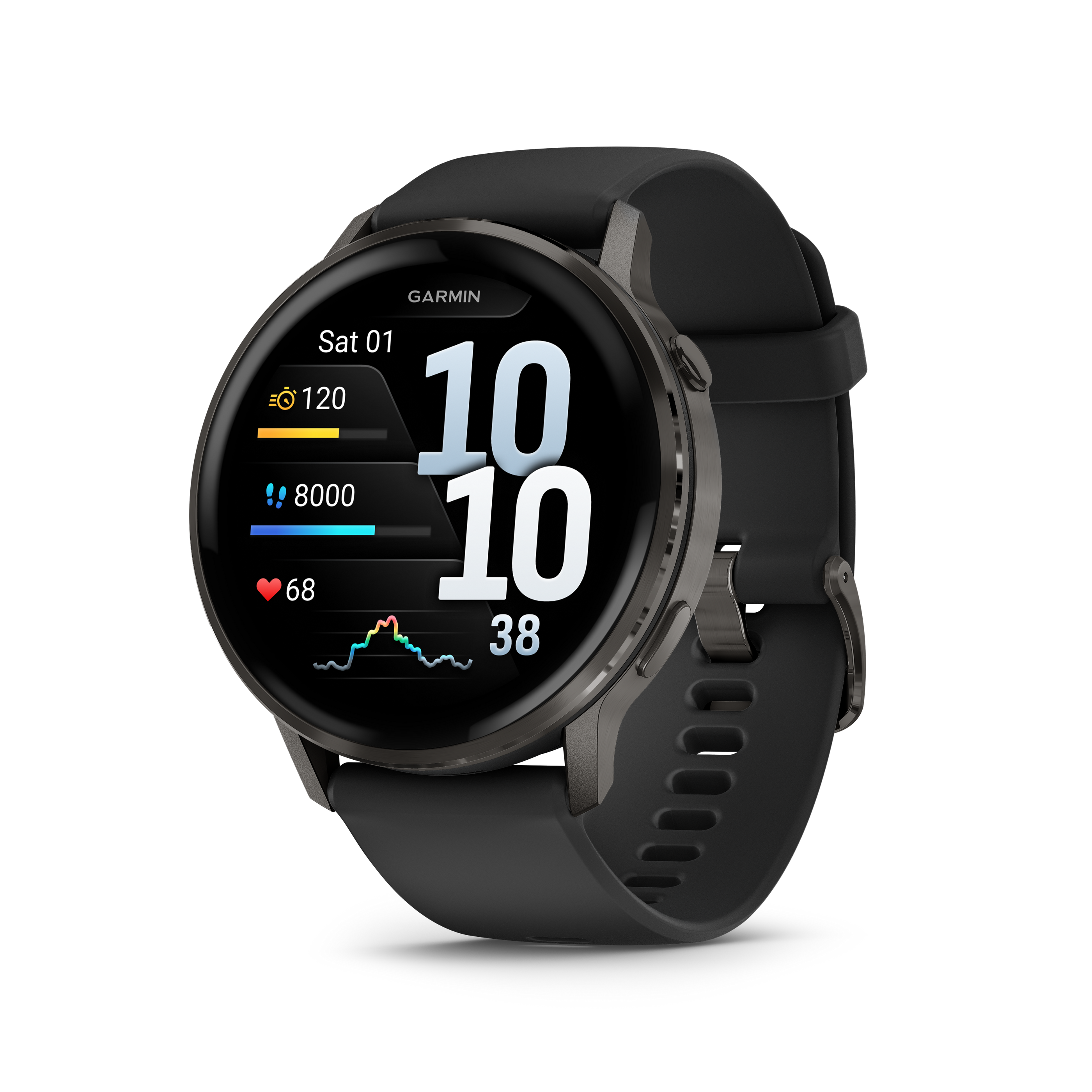
Garmin Venu 4 — Fitness & Daily Wellness
Combines workout and activity monitoring with sleep and wellness features, making it a practical all-purpose option for people who want exercise and everyday tracking in one device.
Best for: Active users seeking an all-around smartwatch.
Consider: Verify size, compatibility, battery specifications and available features for the exact listing.
Paid link · As an Amazon Associate I earn from qualifying purchases.
View Garmin on Amazon ↗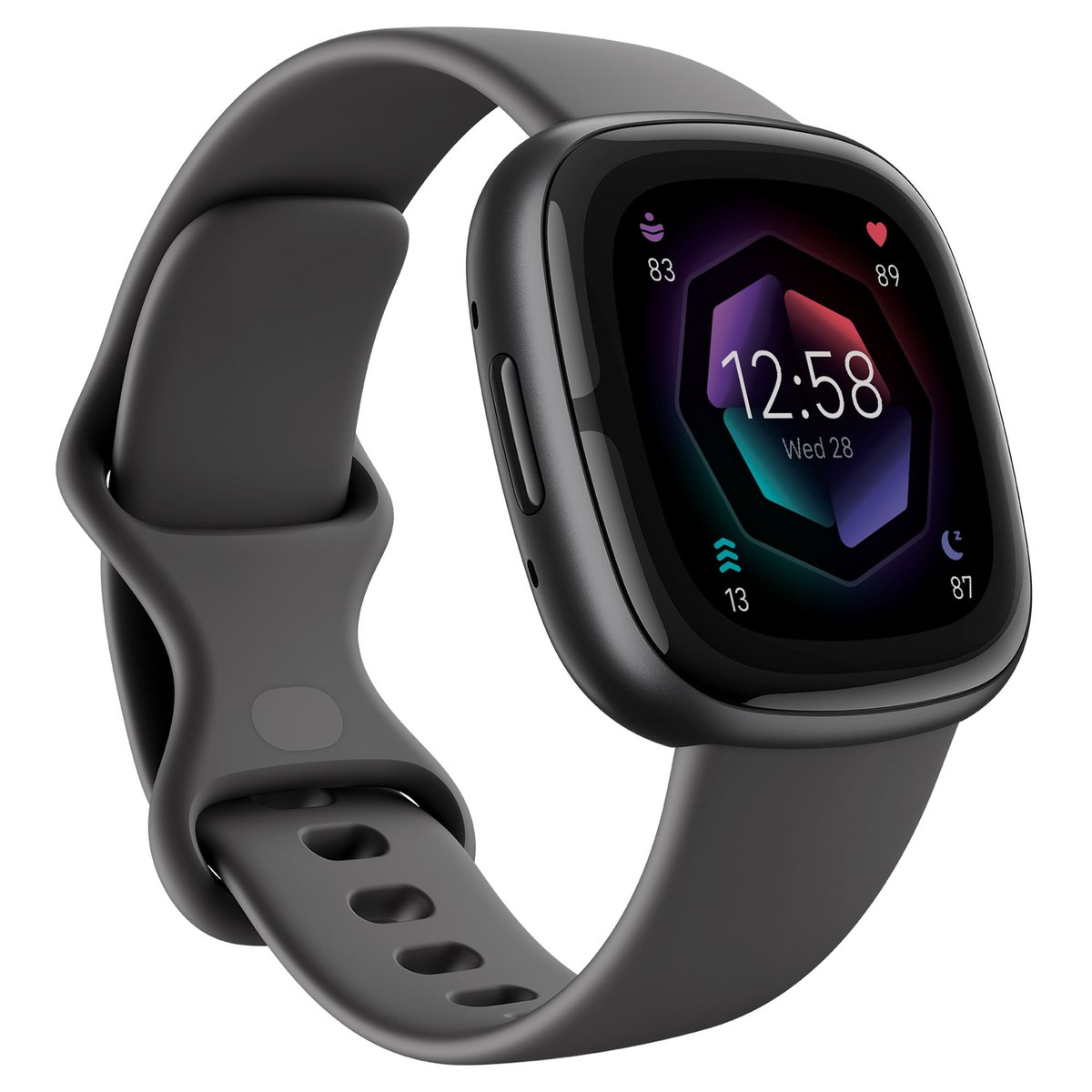
Fitbit Sense 2 — Everyday Health Habits
Provides activity and sleep information alongside stress-oriented wellness features. Its smartwatch format may appeal to people who want straightforward daily trend tracking.
Best for: General wellness, sleep and activity awareness.
Consider: Some features or services may require a subscription; confirm current phone compatibility.
Paid link · As an Amazon Associate I earn from qualifying purchases.
View Fitbit on Amazon ↗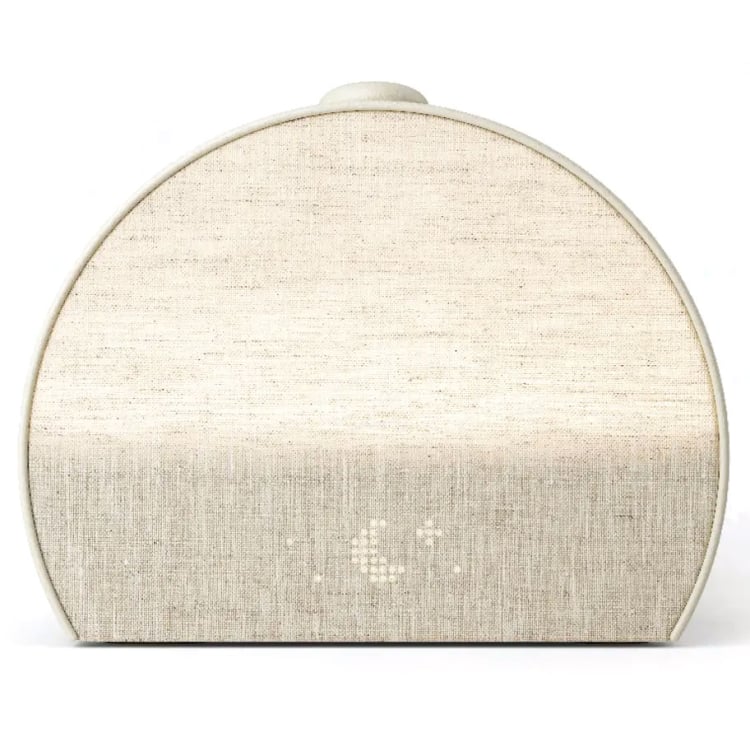
Hatch Restore 3 — Build a Better Bedtime Routine
Unlike a wearable, this bedside device helps structure wind-down routines with sounds, lighting and sunrise-style alarms. It does not measure heart rate or muscle recovery.
Best for: People who want consistent nighttime and morning routines rather than more metrics.
Consider: Review any optional membership or paid content features.
Paid link · As an Amazon Associate I earn from qualifying purchases.
View Hatch on Amazon ↗Which device fits your goals?
| Product | Primary focus | Ideal use |
|---|---|---|
| Oura Ring | Sleep & wellness trends | Discreet overnight tracking |
| WHOOP 5.0 Peak | Training & recovery trends | Structured training |
| Garmin Venu 4 | Fitness & lifestyle | All-around smartwatch |
| Fitbit Sense 2 | Activity & wellness | Everyday habit awareness |
| Hatch Restore 3 | Bedtime environment | Wind-down routines |
How accurate is wearable sleep tracking?
Consumer wearables can provide useful estimates of sleep patterns, but they are not equivalent to laboratory polysomnography. A 2025 systematic review and meta-analysis identified meaningful differences between wrist-worn sleep trackers and lab measurements. Other validation research has found that accuracy varies across devices and measurements, particularly for individual sleep stages. [2–3]
What this means for your training: Look for recurring changes over weeks, rather than treating an unusually low or high nightly score as an unquestionable instruction.
How to use the data effectively
Know your baseline
Learn your normal sleep and heart-rate trends before interpreting changes. Compare those patterns with how rested you feel.
Notice the habits
See whether inconsistent bedtime, higher training loads or busy weeks line up with your trends. Change one habit at a time.
Avoid chasing perfect scores. Use the device alongside your energy, soreness, mood and workout performance. Prioritize sleep, nutrition, hydration and reasonable training intensity first.
Are fitness trackers worth it?
They can be worthwhile if the feedback helps you make realistic adjustments. An athlete monitoring training load may value recovery trends; someone struggling with bedtime consistency may benefit more from a sleep routine tool. You can still make meaningful progress without either. The most expensive choice is not necessarily the most useful.
Research & references
- CDC — About Sleep
- Lee et al. (2025) — Consumer wrist-worn sleep trackers compared with polysomnography
- Validation of six commercial sleep-tracking devices (2025)
- Hatch Restore 3 — Product overview
Educational information only, not medical advice. Product claims are based on manufacturer information and independent research rather than hands-on testing. Product pricing, features and membership terms may change; review the seller's listing before purchasing.