 RESTORE FIT
HEALTH & WELLNESS · FREE EDUCATION
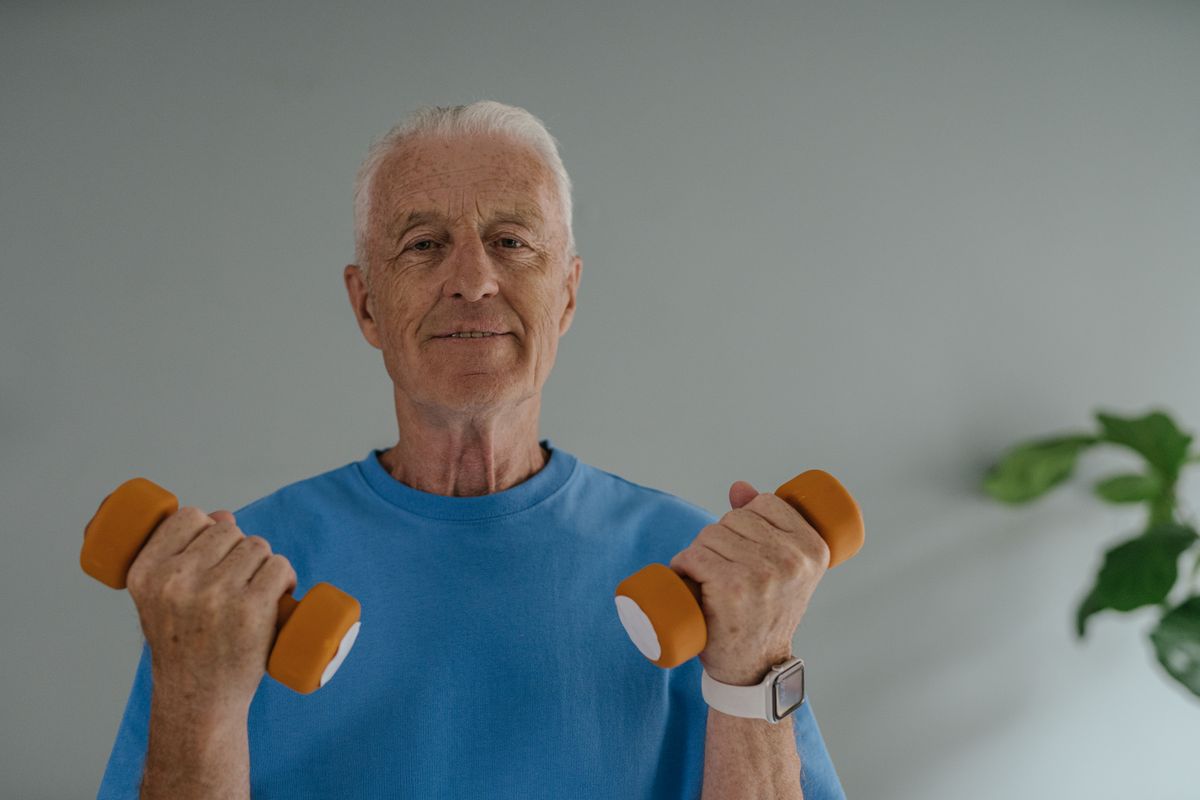
Can Strength Training Improve Your Health as You Age?
How resistance exercise supports independence, balance and everyday function.
Read the guideUnderstand the why behind your next choice. Our latest article breaks down what matters before you spend.
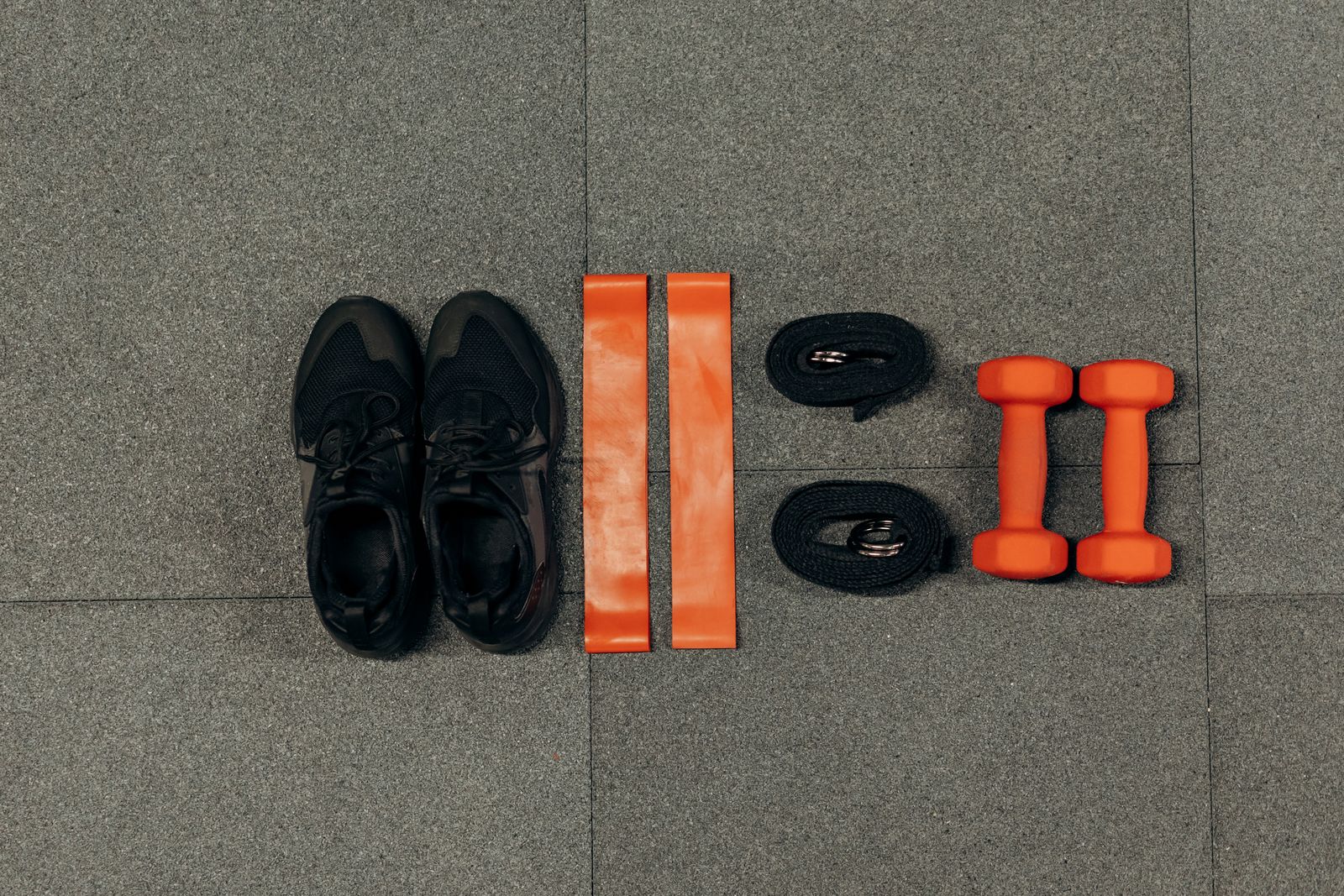
Find out which dumbbell style fits your home, budget and training goals. Compare five choices, starting with the simplest fixed weights.
Read the comparisonChoose a category to discover relevant guides. We add posts only after they've been reviewed for accuracy and usefulness.
Helpful training and nutrition education, not just product listings.
Showing all published guides
How resistance exercise supports independence, balance and everyday function.
Read the guide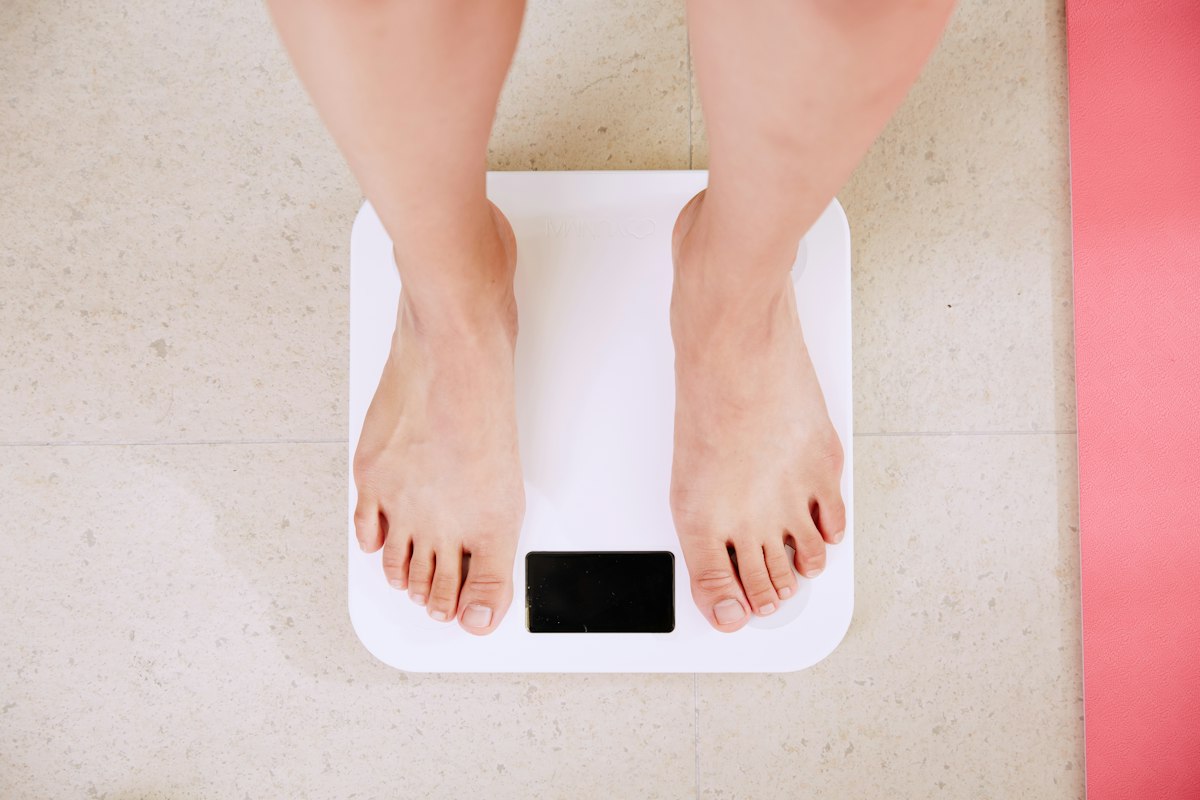
Why the scale may rise even when your new fitness routine is working.
Read the guide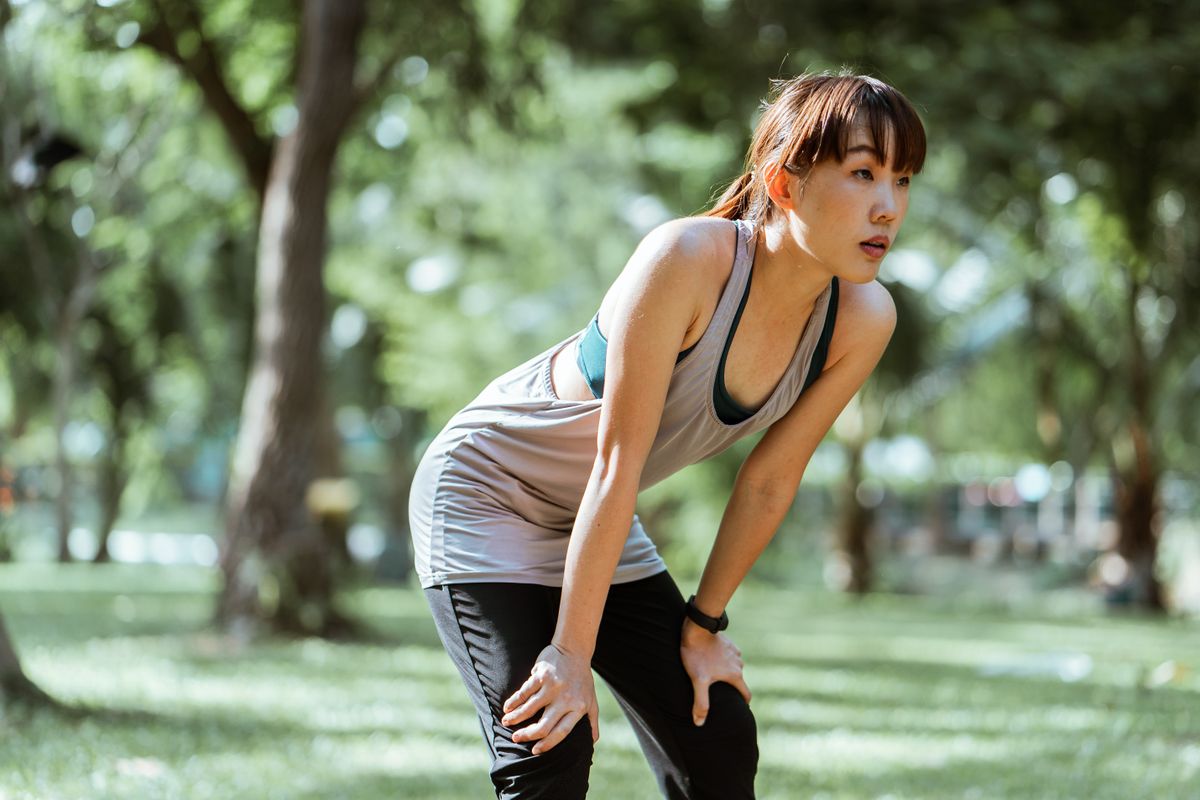
Normal exertion, fitness changes and symptoms you should not ignore.
Read the guide
Movement can help mood, but it does not replace mental healthcare.
Read the guide
Training soreness versus warning signs and how to adjust your next session.
Read the guide
The role of nutrition, recovery, progress tracking and realistic expectations.
Read the guide
How regular movement supports blood pressure—and why medical treatment still matters.
Read the guide
Possible reasons squats feel uncomfortable and how to adjust training safely.
Read the guide
What a short after-meal walk can—and cannot—do for glucose control.
Read the guide
Common reasons for persistent fatigue—and when to talk to a healthcare professional.
Read the guide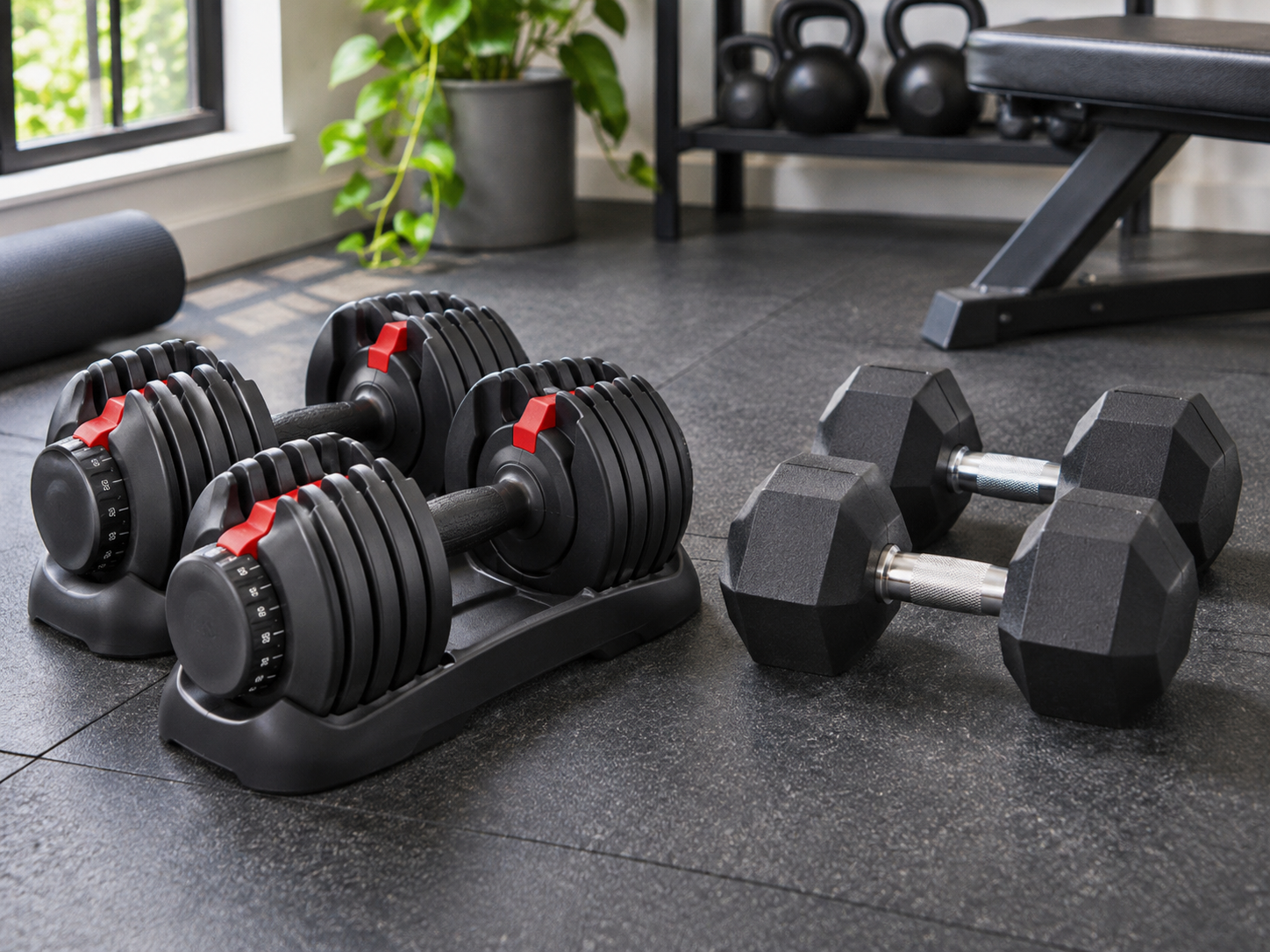
Cost, storage, muscle growth and safety—plus five dumbbells compared from basic fixed weights to premium adjustable systems.
Read the full comparison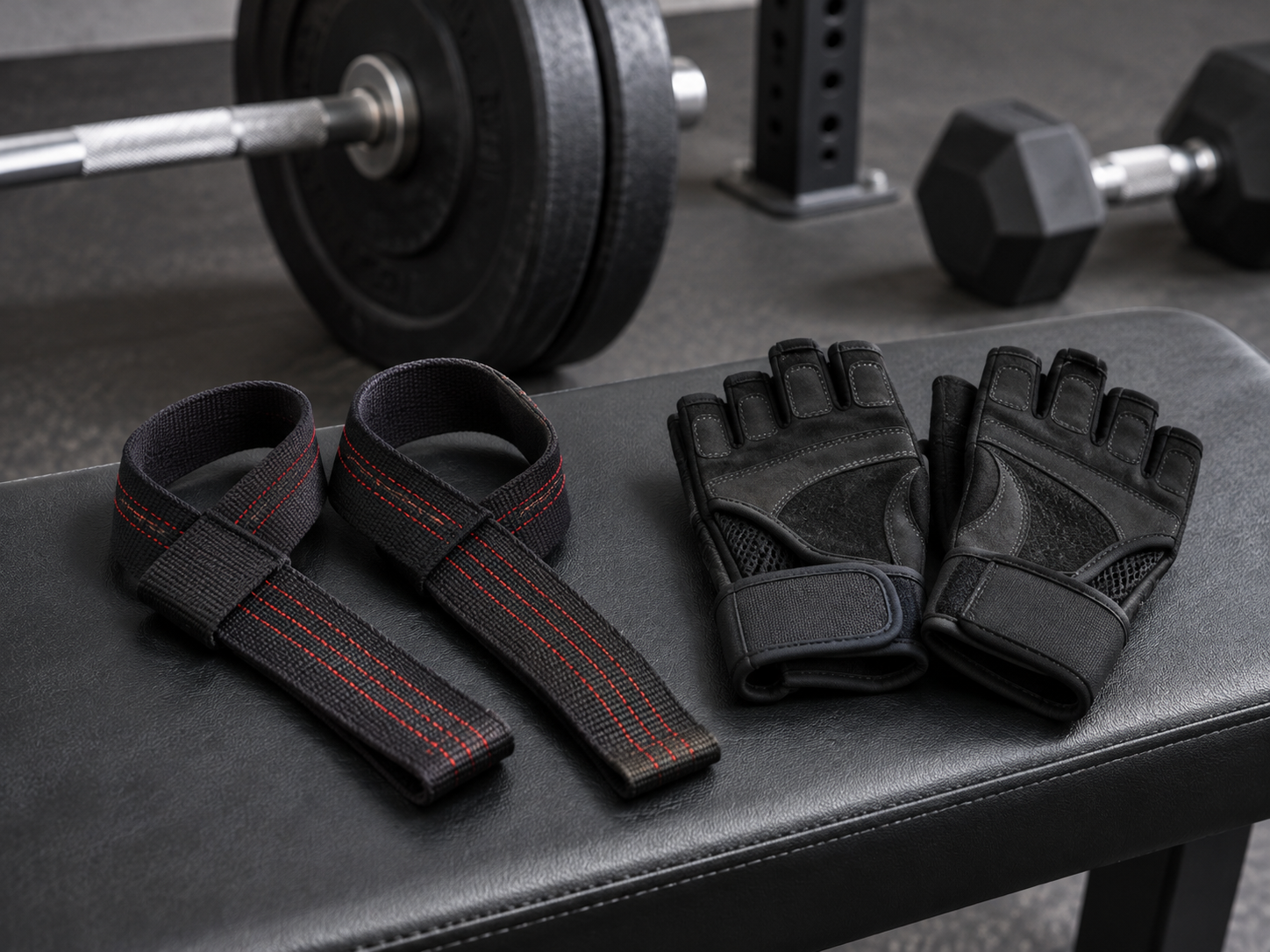
Straps, gloves, wrist wraps and grips explained, plus five real products and research-backed buying advice.
Read the full comparison
What the science says about creatine, caffeine, timing, safety and five supplement options with affiliate disclosures.
Read the full comparison
Learn how wearables estimate sleep and recovery, compare five products and use the data without chasing perfect scores.
Read the guide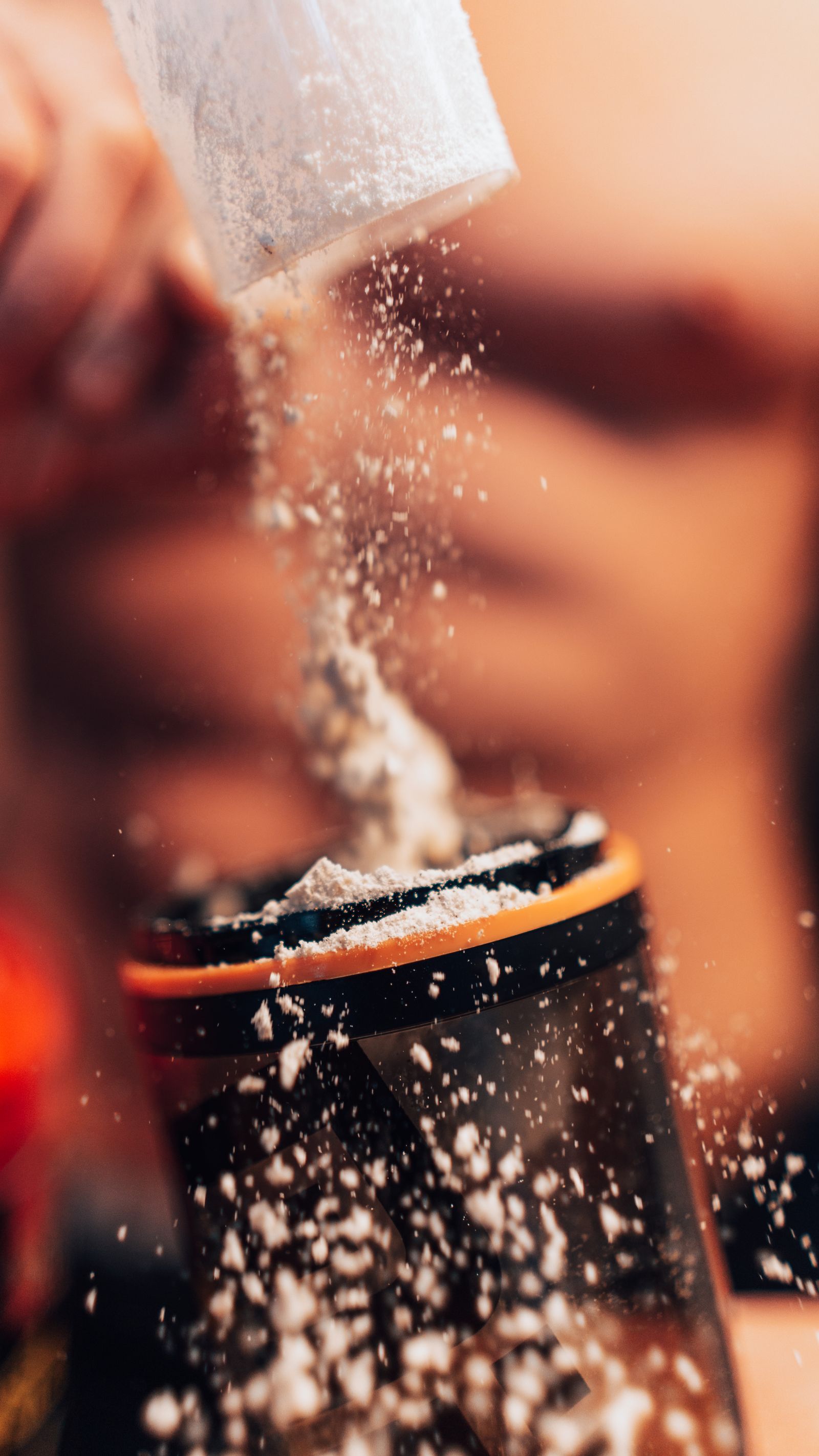
Compare amino acids, whey isolates and blends, vegan options, digestion and five real products with transparent affiliate links.
Read the full comparisonWhich pre-workout ingredients have credible evidence? Compare five actual products, caffeine amounts and risks before buying.
Read the full comparisonCompare trackers, smartwatches and chest straps using real GPS, battery-life and accuracy evidence—with five devices to consider.
Read the full comparisonWhat research says about bands versus weights, a simple training plan, and five equipment options compared without hype.
Read the full comparison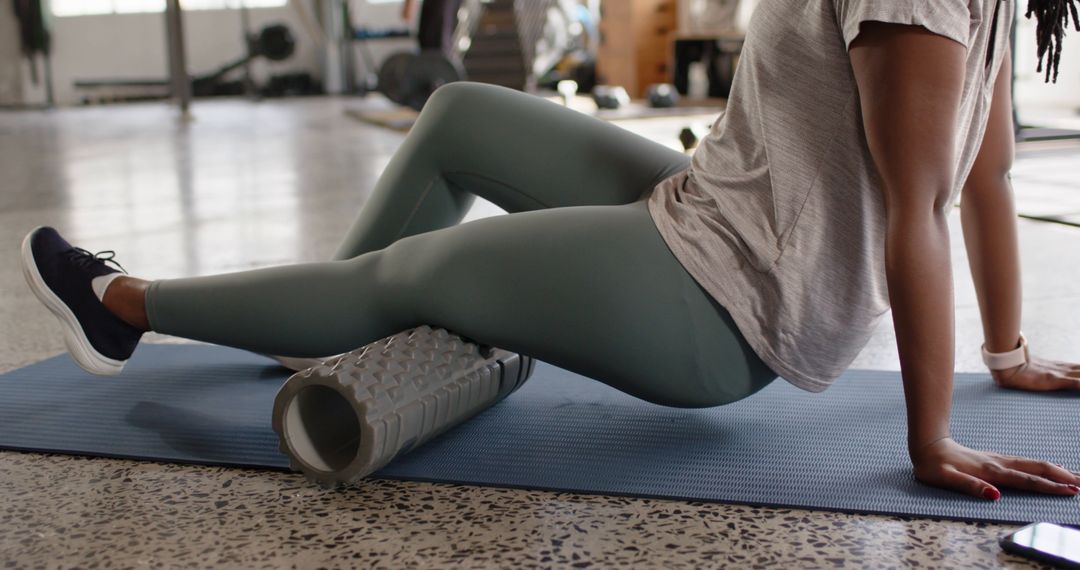
Foam roller or massage gun? See research-backed differences, practical safety advice, and five relevant recovery tools.
Read the full comparison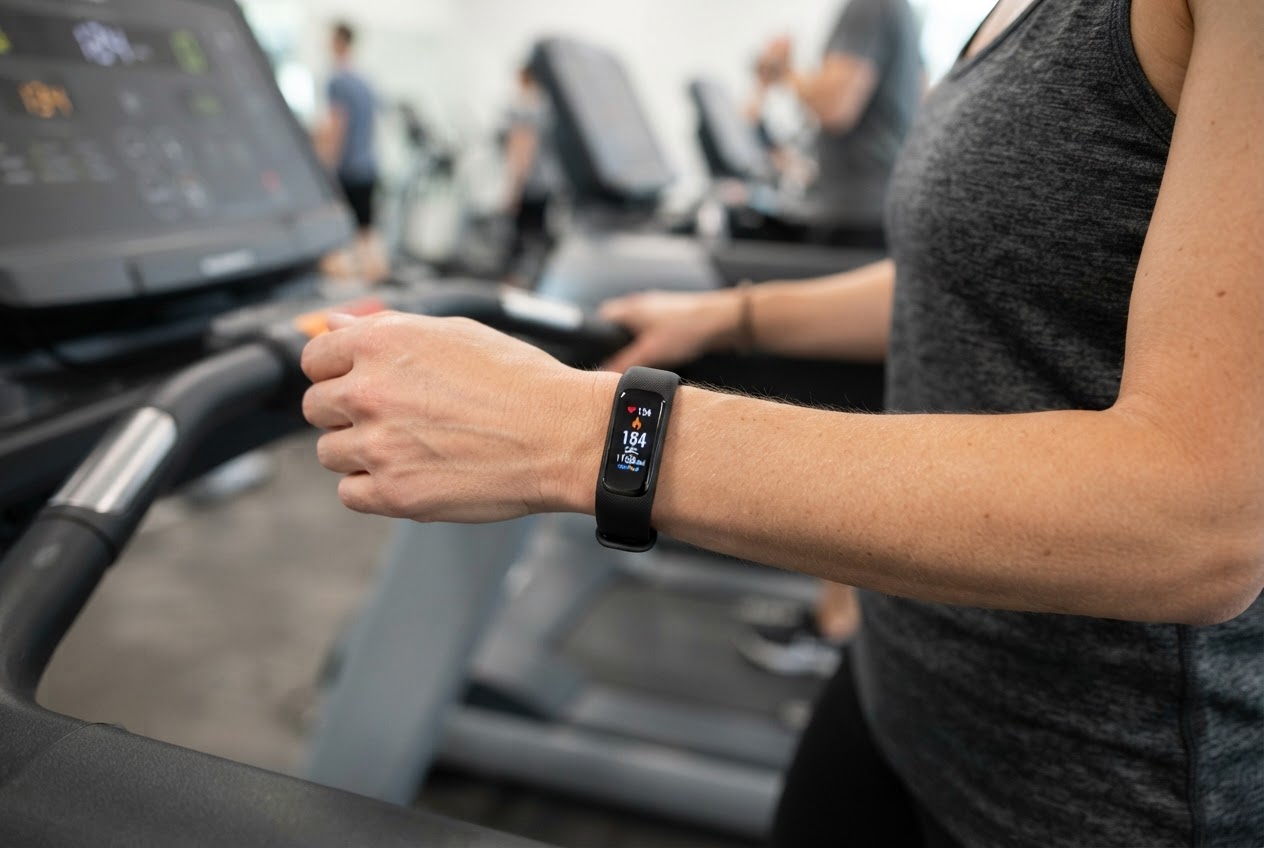
Fitness trackers can estimate activity, but the calories-burned number is not an exact measurement. Use it as a rough trend, not permission to eat back a precise number of calories.
Read the guide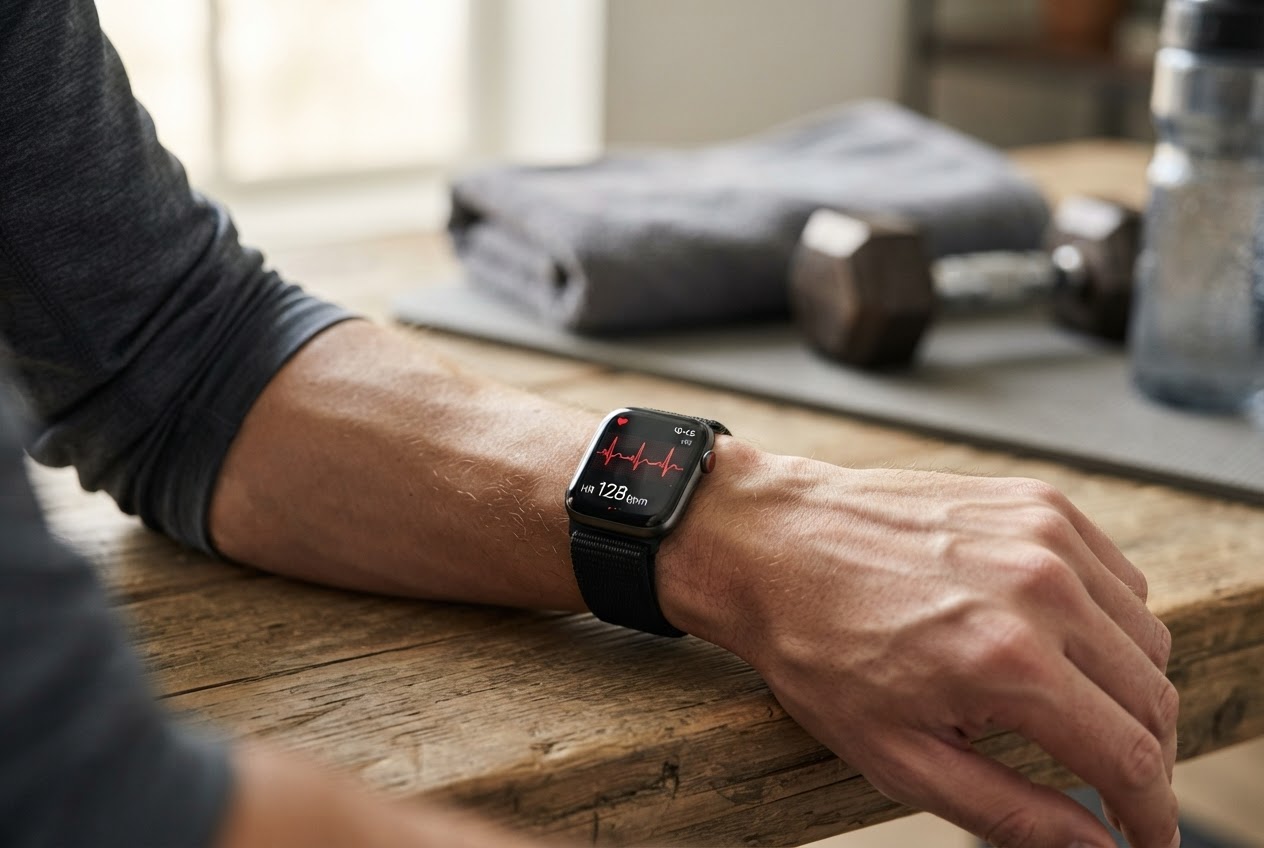
Heart rate variability, or HRV, is the small variation in time between consecutive heartbeats. It can provide context about how your body responds to stress, but one low reading does not prove you are overtrained.
Read the guide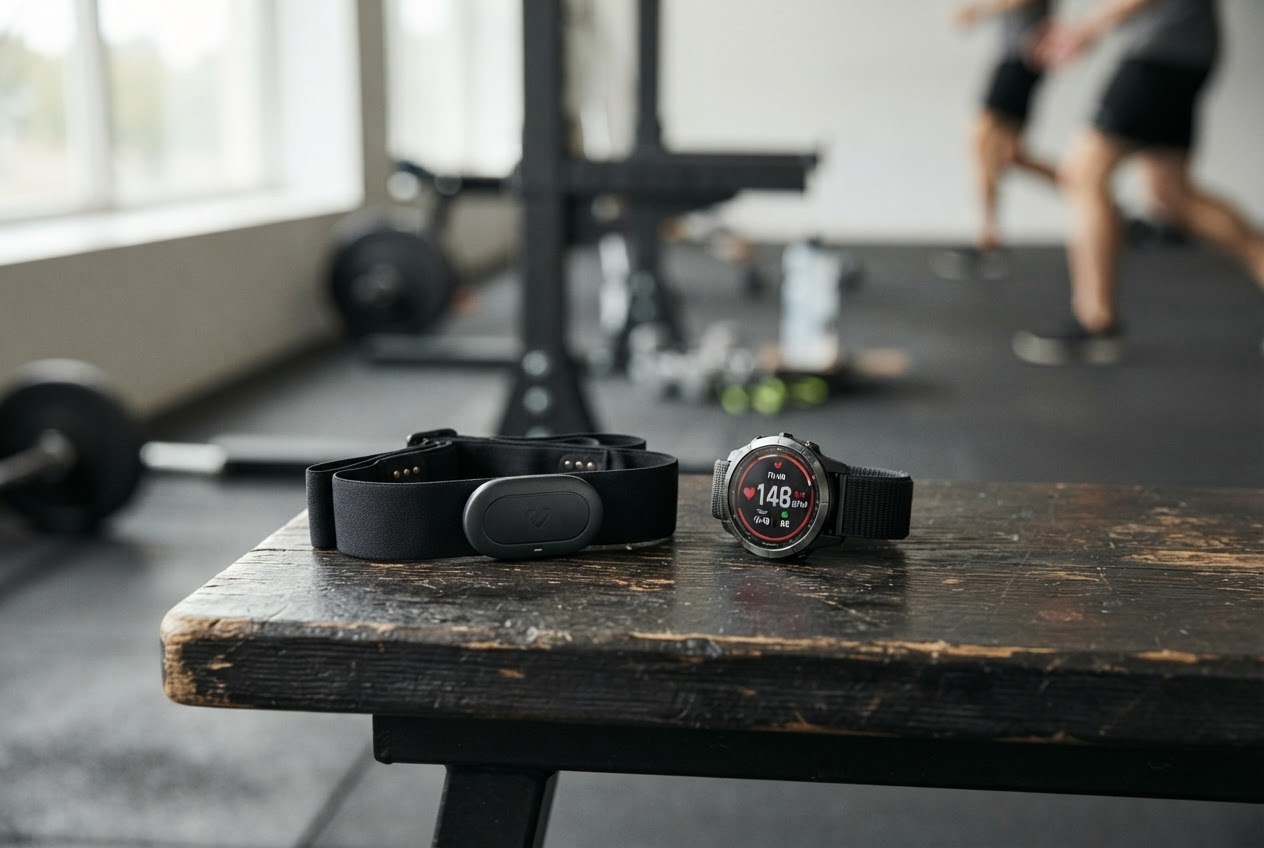
For demanding training, a well-fitting chest-strap monitor often provides more reliable heart-rate data than a wristwatch. Smartwatches can still be useful for everyday activity and many steady workouts.
Read the guide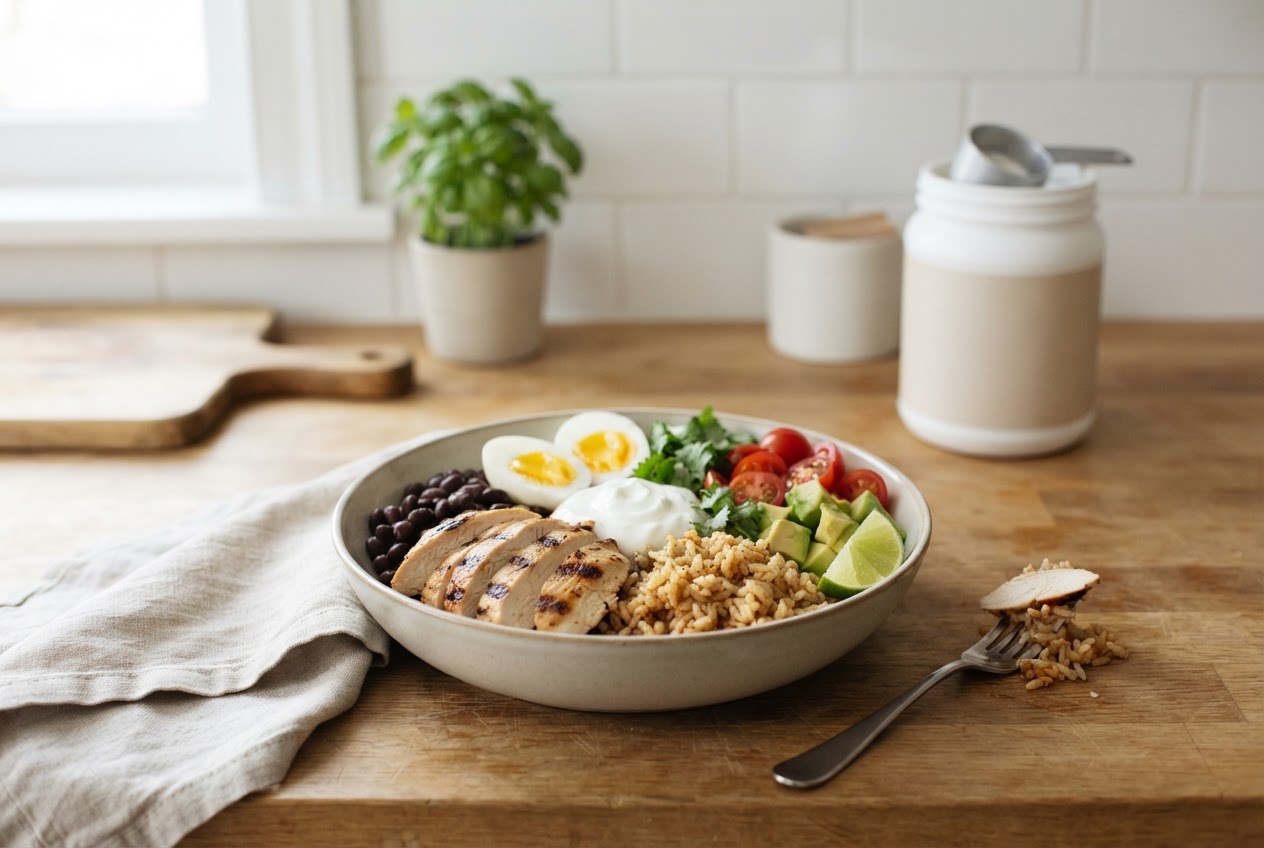
No. You can build muscle without taking dietary supplements. Effective resistance training, enough food, sufficient protein and adequate sleep provide the foundation.
Read the guide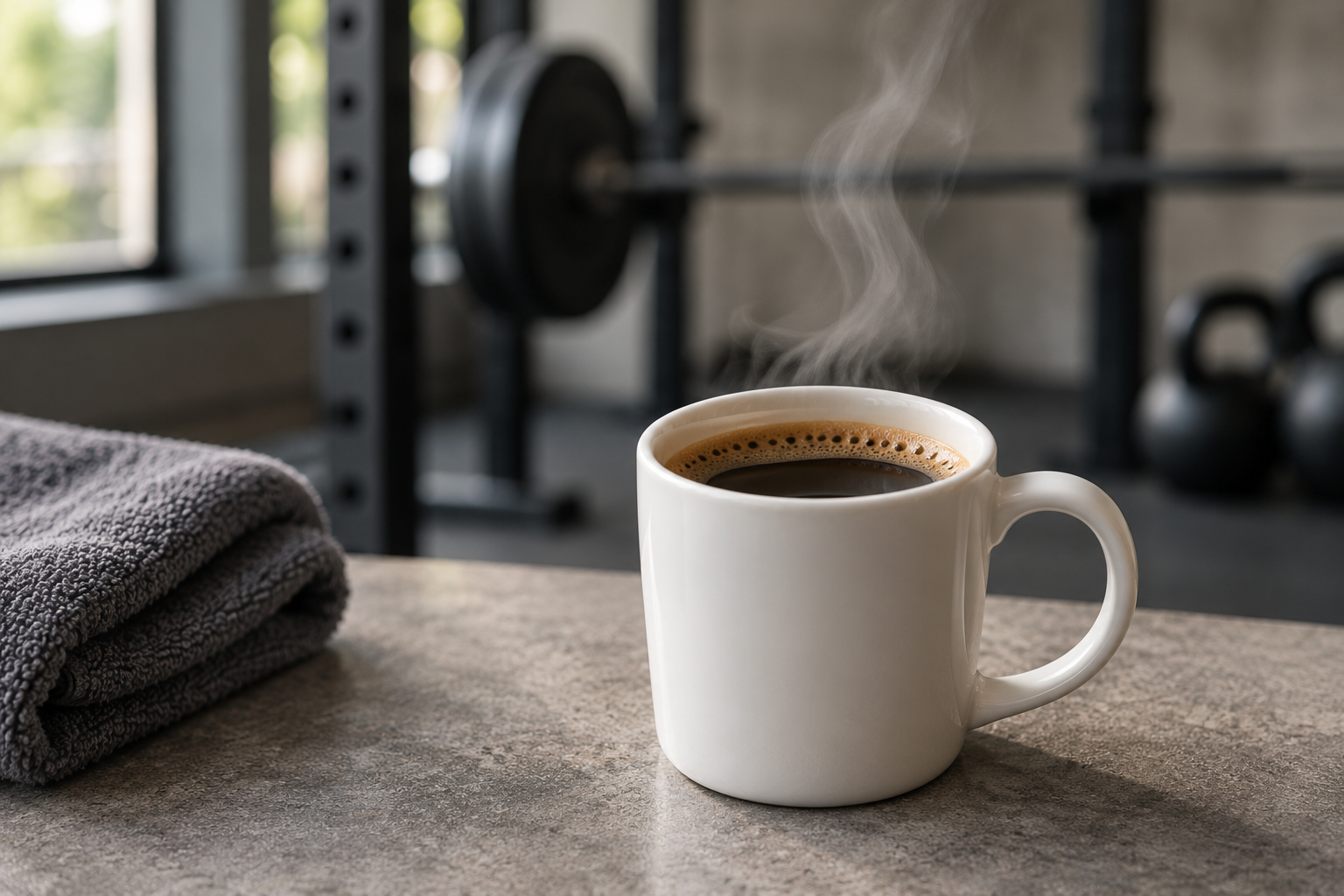
Caffeine can improve alertness and some aspects of exercise performance, especially endurance and repeated demanding efforts. The benefit varies, and high doses can make a workout worse.
Read the guide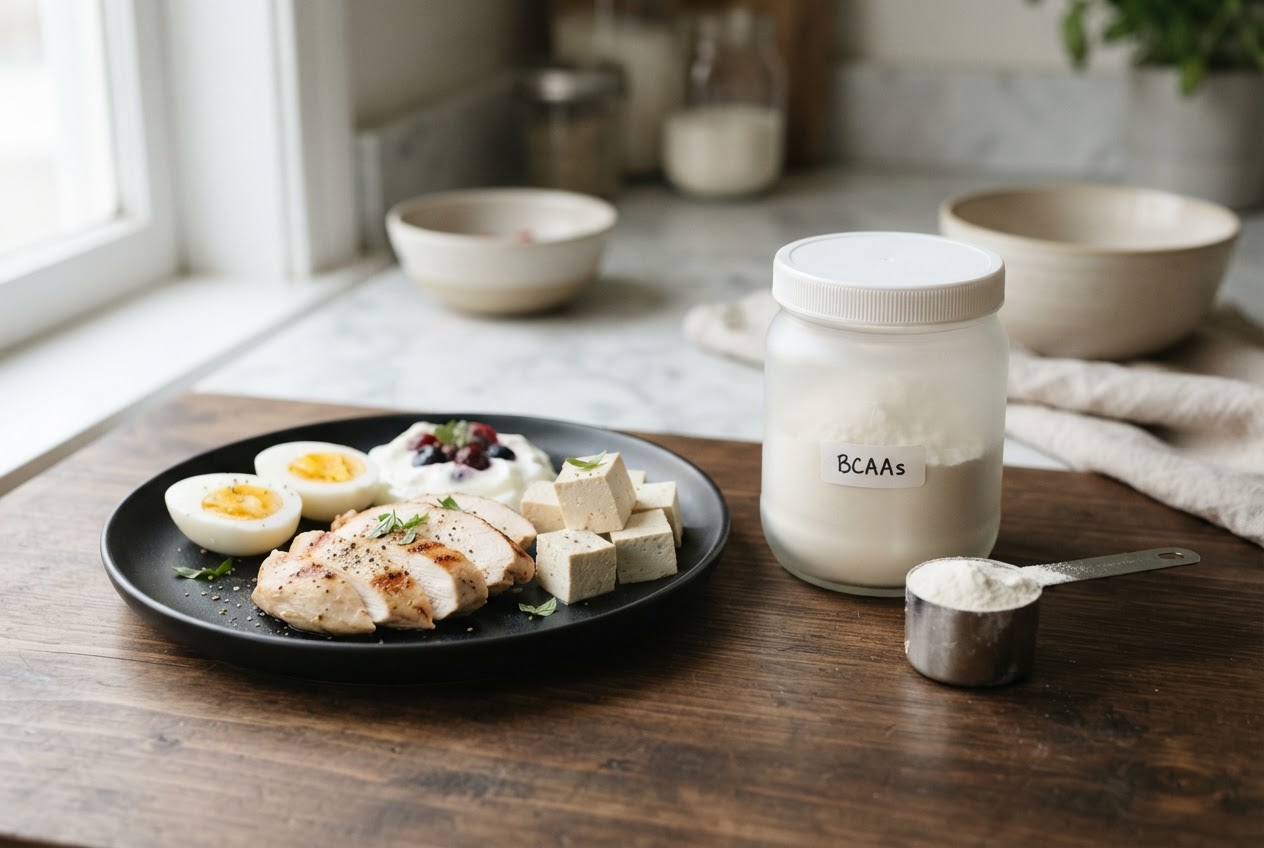
Most people who already consume enough quality protein do not need a separate BCAA supplement for muscle growth or recovery. Protein-rich foods naturally contain these amino acids.
Read the guide
Protein before bed can support overnight muscle protein synthesis, but a bedtime shake is not required to build muscle. Your overall daily protein intake and training remain the main priorities.
Read the guide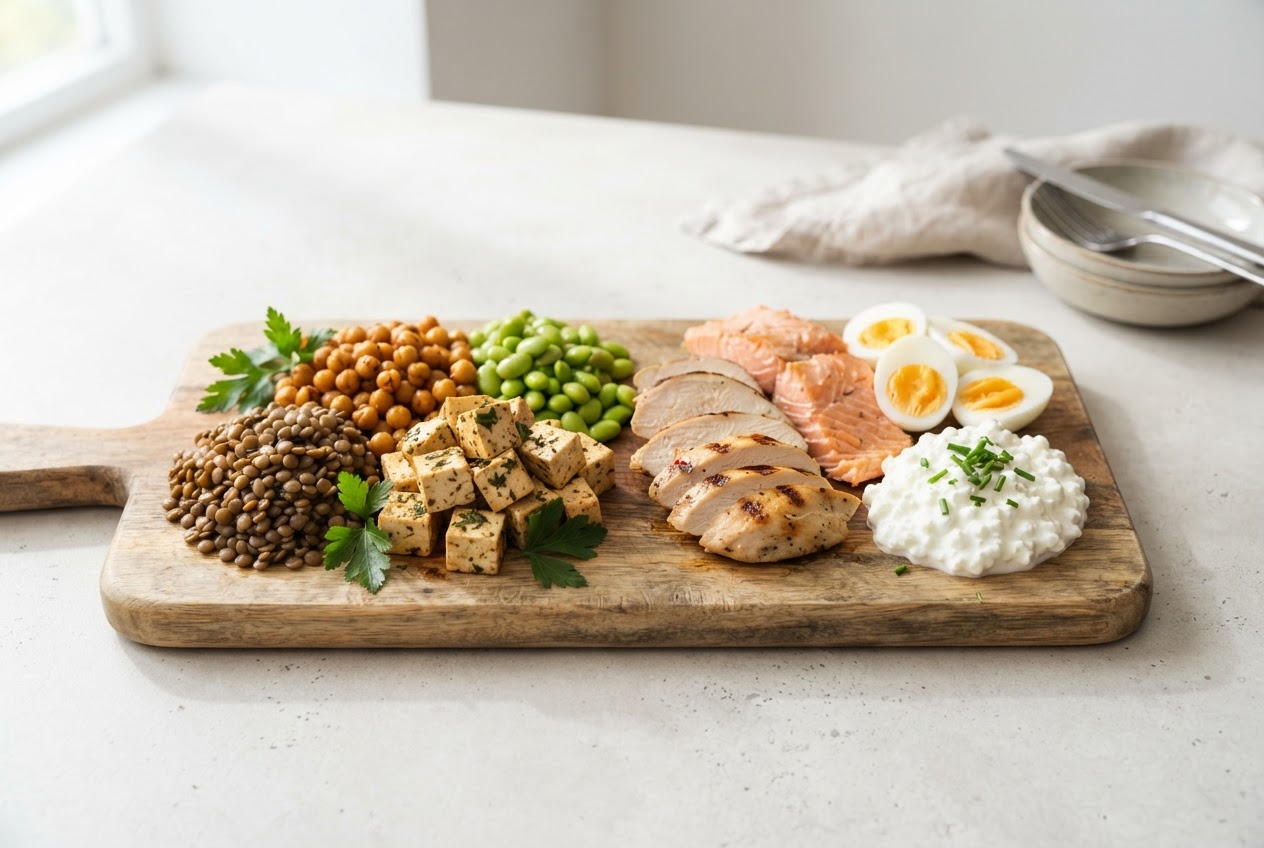
Both plant and animal protein can help support muscle growth. Some sources differ in amino-acid composition and digestibility, but total intake, meal variety and resistance training remain crucial.
Read the guide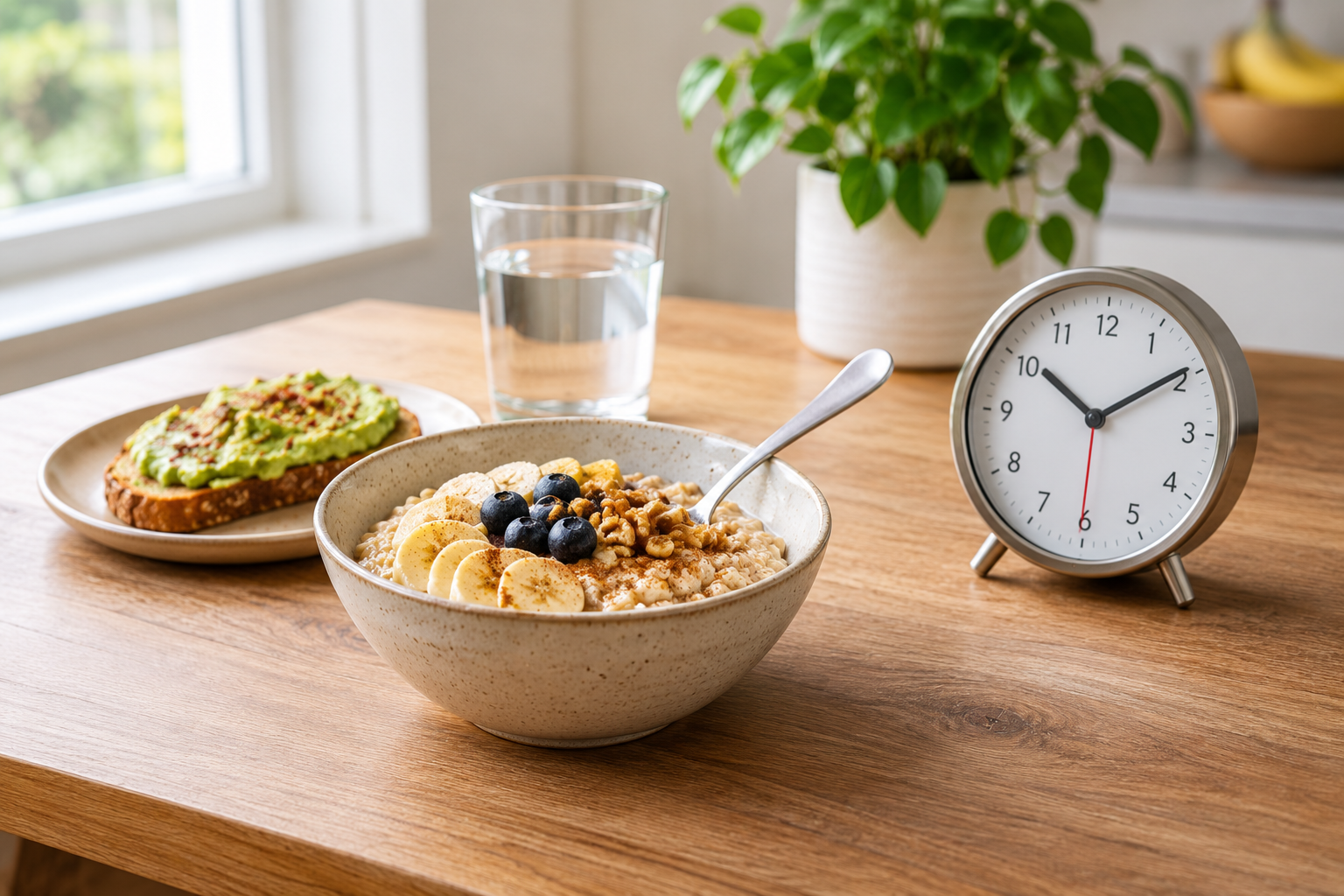
A regular meal often feels best about two to four hours before a demanding workout, while a smaller snack may work closer to exercise. Your comfort and the workout intensity matter.
Read the guide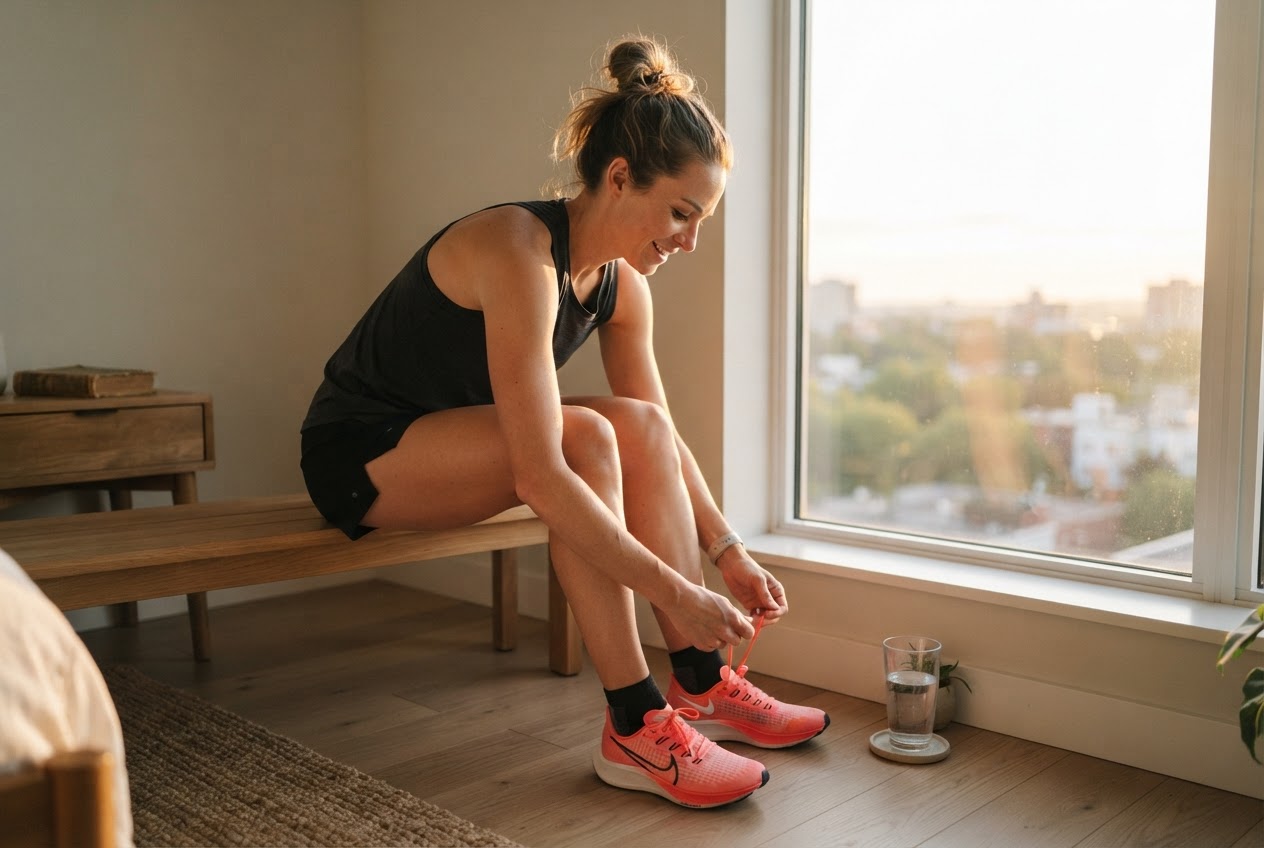
Working out before breakfast is not automatically better for fat loss or muscle growth. Fasted and fed exercise can both work; the important factors include total nutrition, workout quality and consistency.
Read the guide
Progressive overload means gradually increasing the challenge your muscles face as you become stronger. You can do this with more weight, repetitions, controlled range of motion or training volume.
Read the guide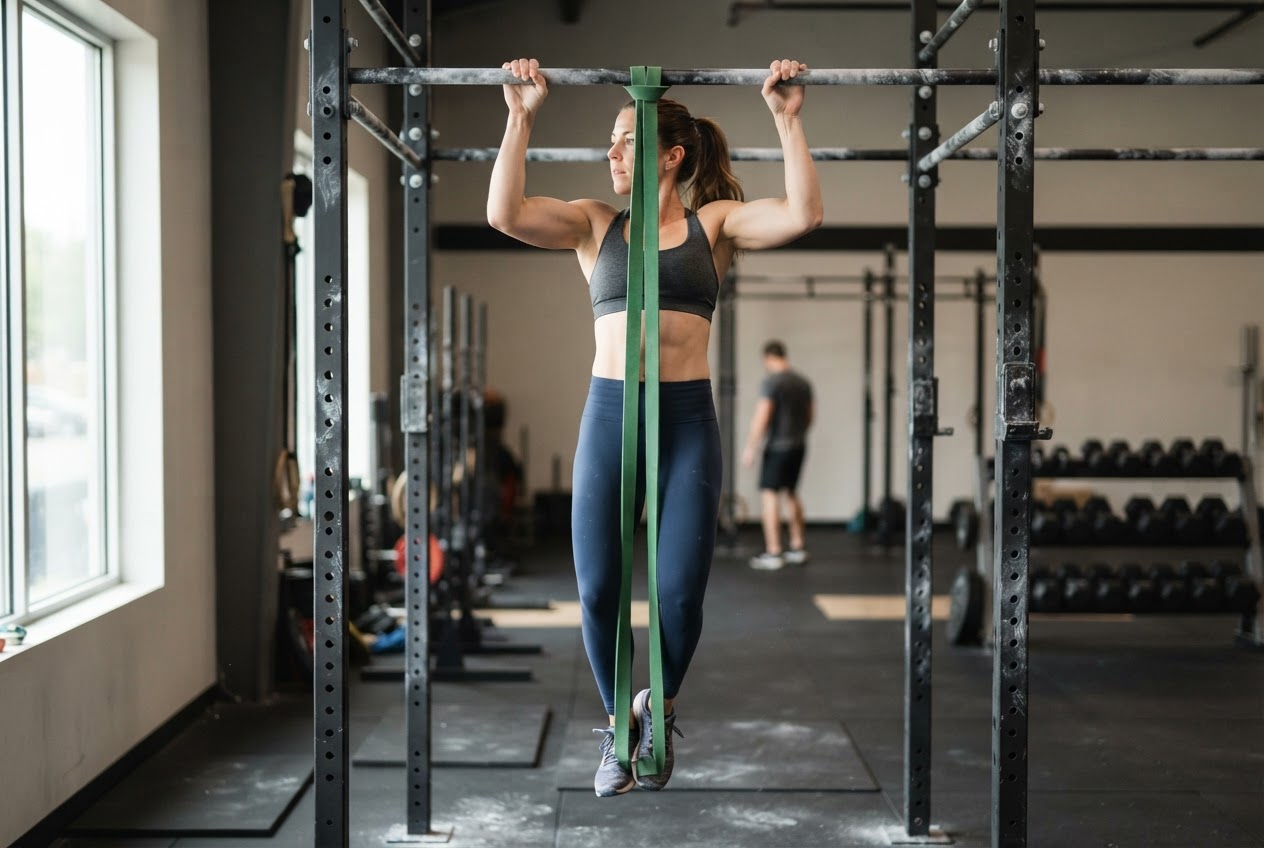
To work toward your first pull-up, practice controlled hanging, assisted pulling, and gradual increases in strength. It may take weeks or months, and that is completely normal.
Read the guide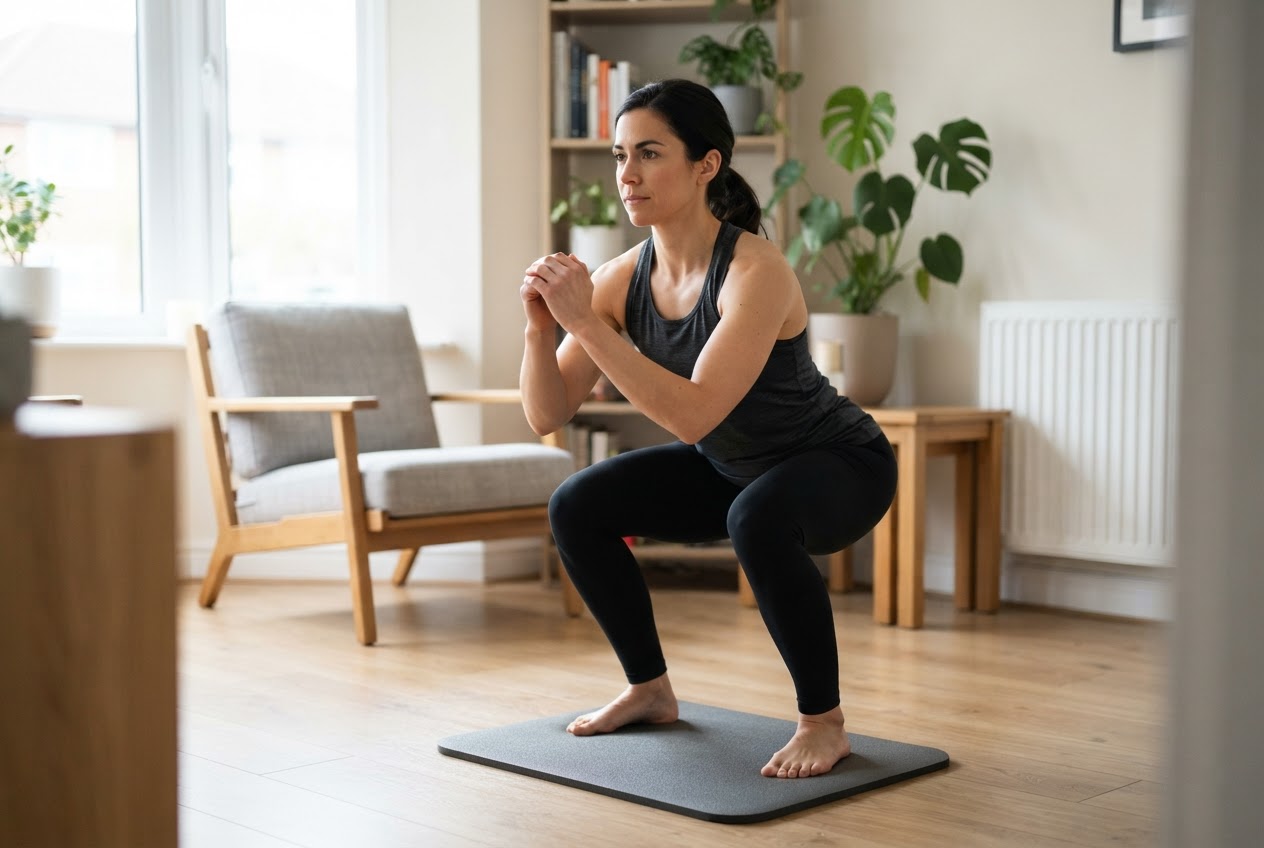
Beginner calisthenics uses your body weight for resistance. Start with simple pushes, squats, hip movements and supported pulling exercises two or three days a week.
Read the guide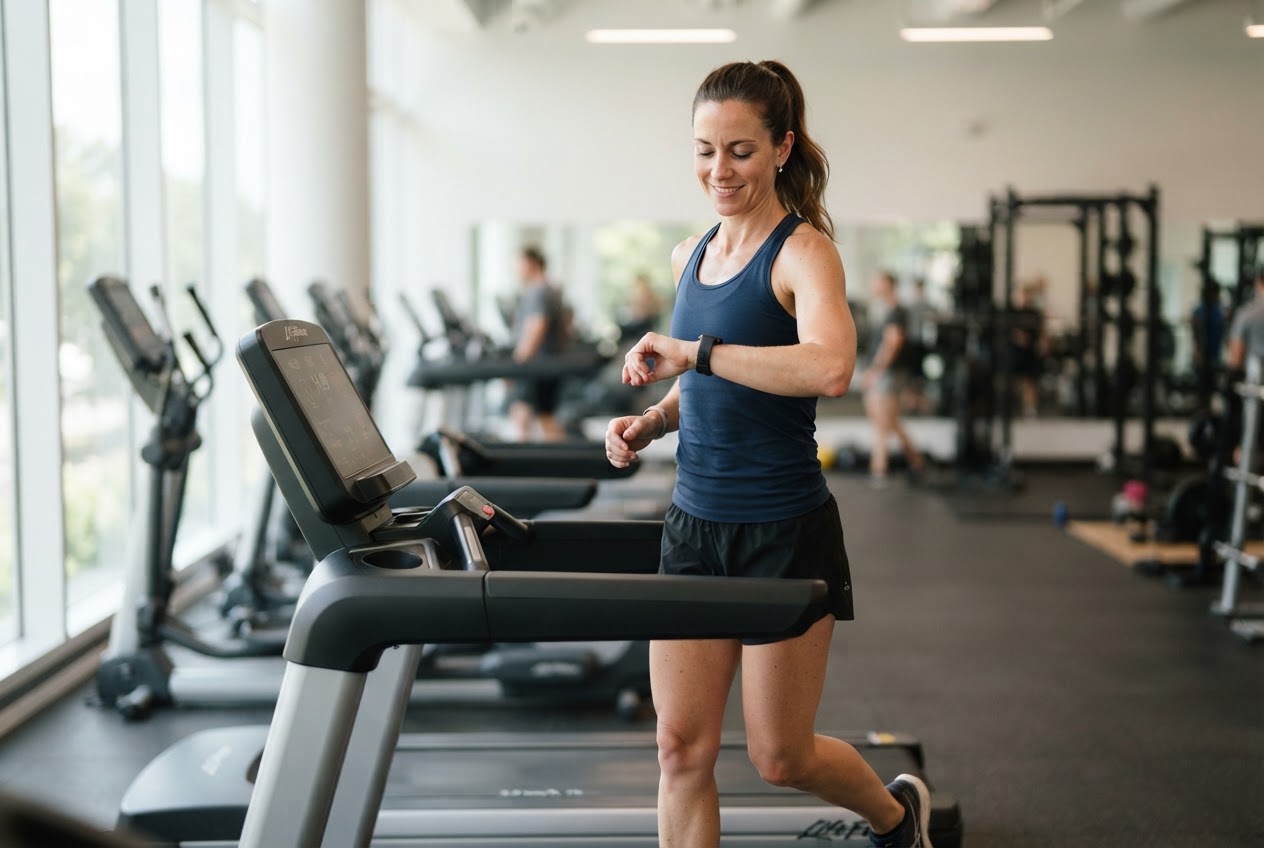
Zone 2 usually describes a relatively easy, sustainable aerobic effort. You can often speak in sentences while exercising, although exact zone labels differ across devices and training systems.
Read the guide
Both walking and running can improve cardiovascular health. Running is usually more intense and can deliver a bigger aerobic challenge in less time, while walking is easier to start and sustain for many people.
Read the guide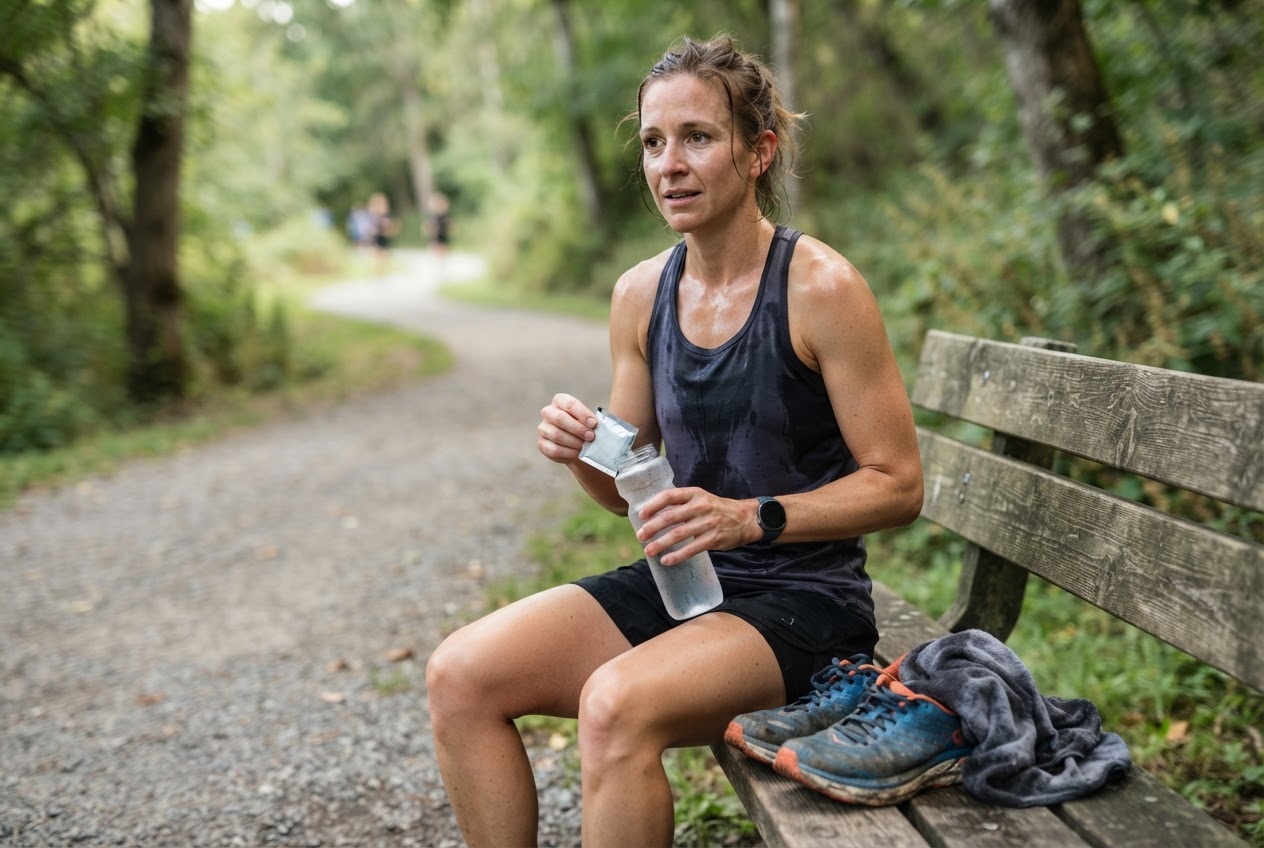
For many ordinary indoor workouts, water and regular meals are sufficient. Electrolytes become more relevant during prolonged exercise, heavy sweating, or hot conditions.
Read the guide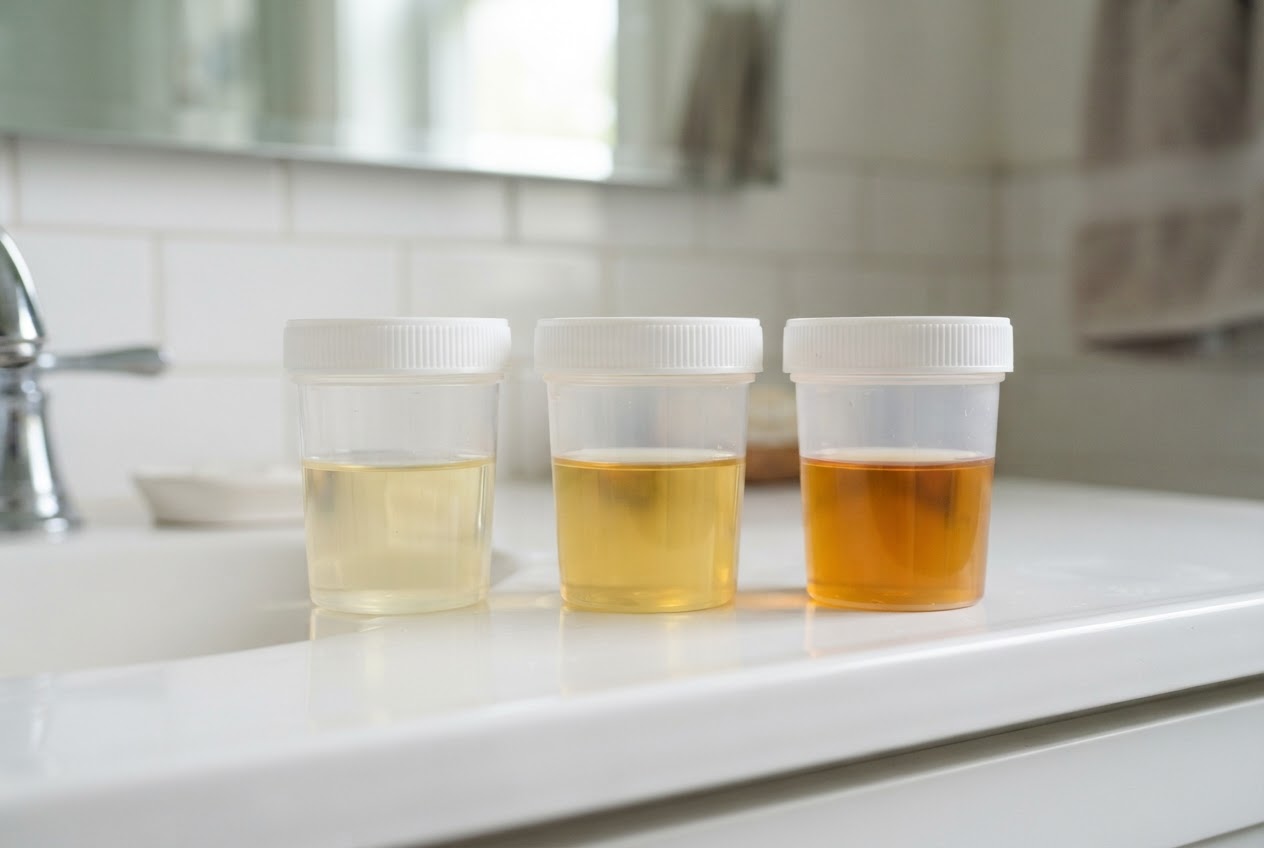
Urine color can offer a rough hydration clue, but it is not a perfect test. Color changes with food, vitamins, medications and when you last drank fluid.
Read the guide
Both active recovery and complete rest can be useful. Choose gentle movement when you feel generally well and want to stay mobile; choose more rest when fatigue, illness or symptoms call for it.
Read the guide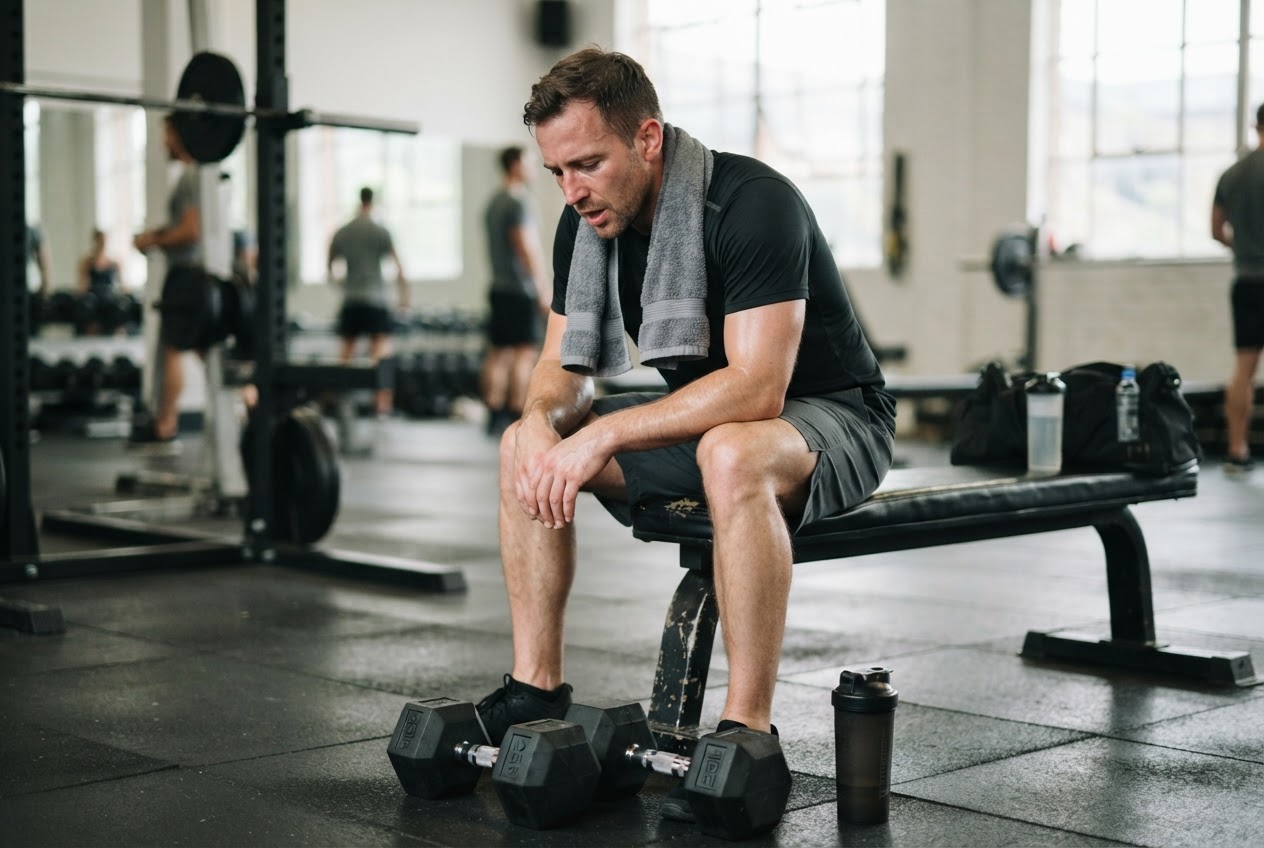
Many people allow roughly 48 hours between hard sessions for the same muscle group, but recovery is not a precise timer. The required time depends on the workout, your experience and how you feel.
Read the guide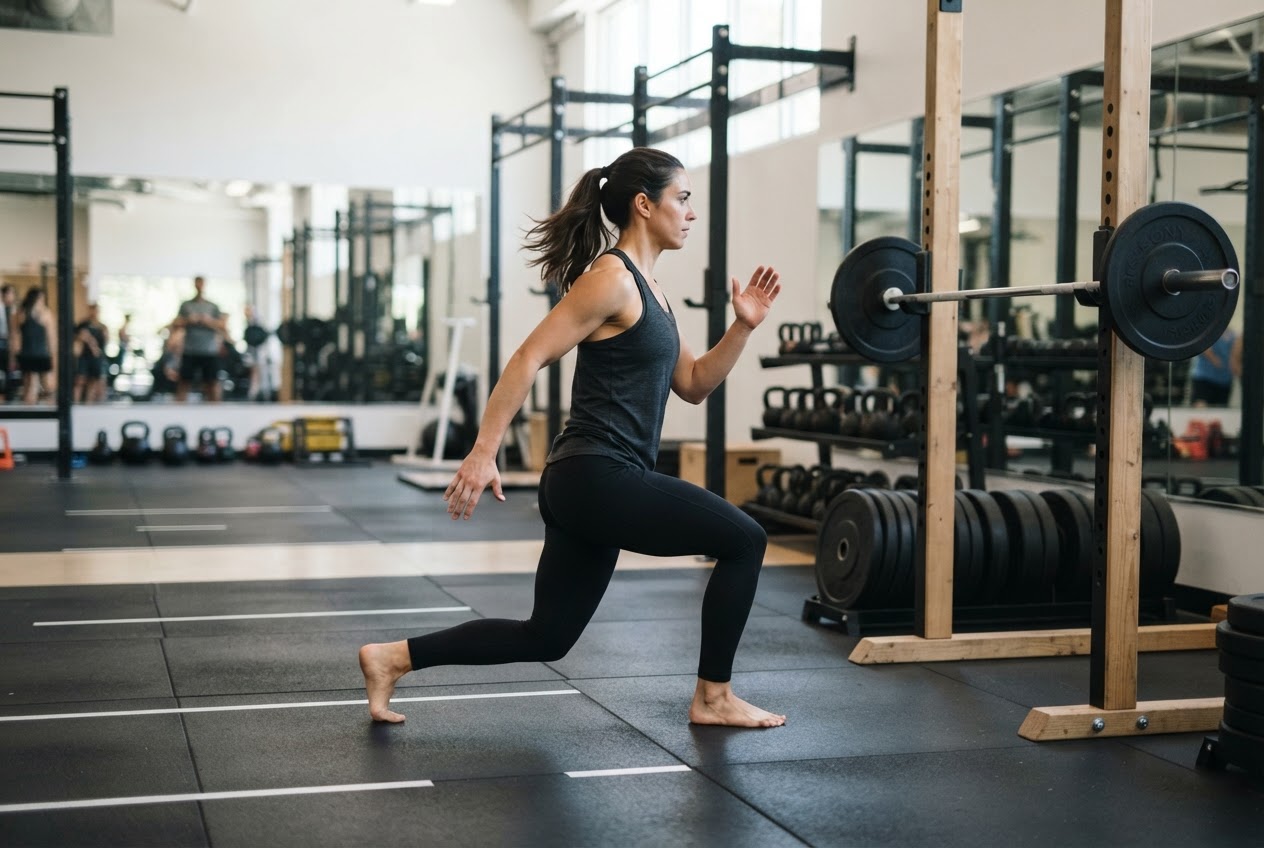
Start with several minutes of easy movement, then practice the exercises you plan to lift using lighter effort. The warm-up should leave you more prepared, not tired before your first working set.
Read the guide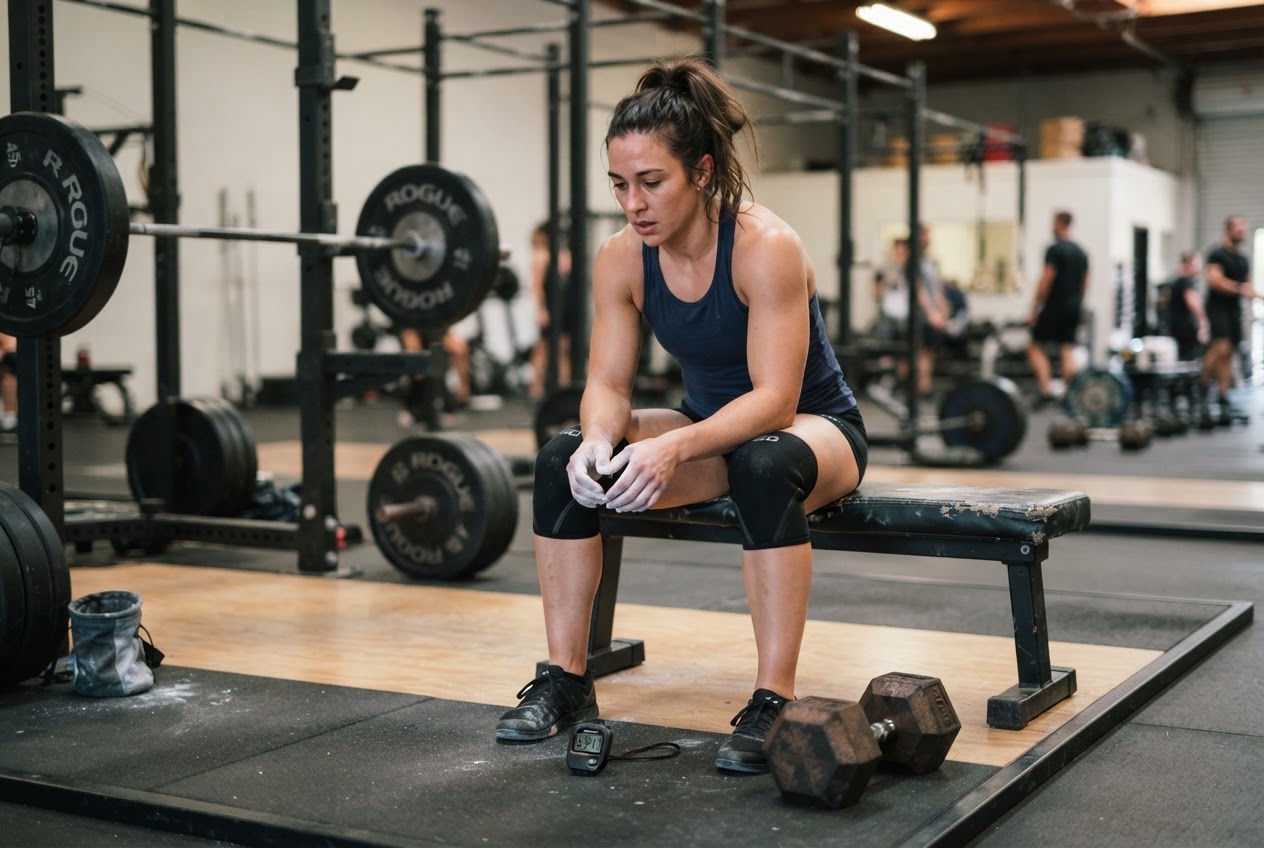
Rest times for strength, muscle growth and better quality repetitions.
Read the guide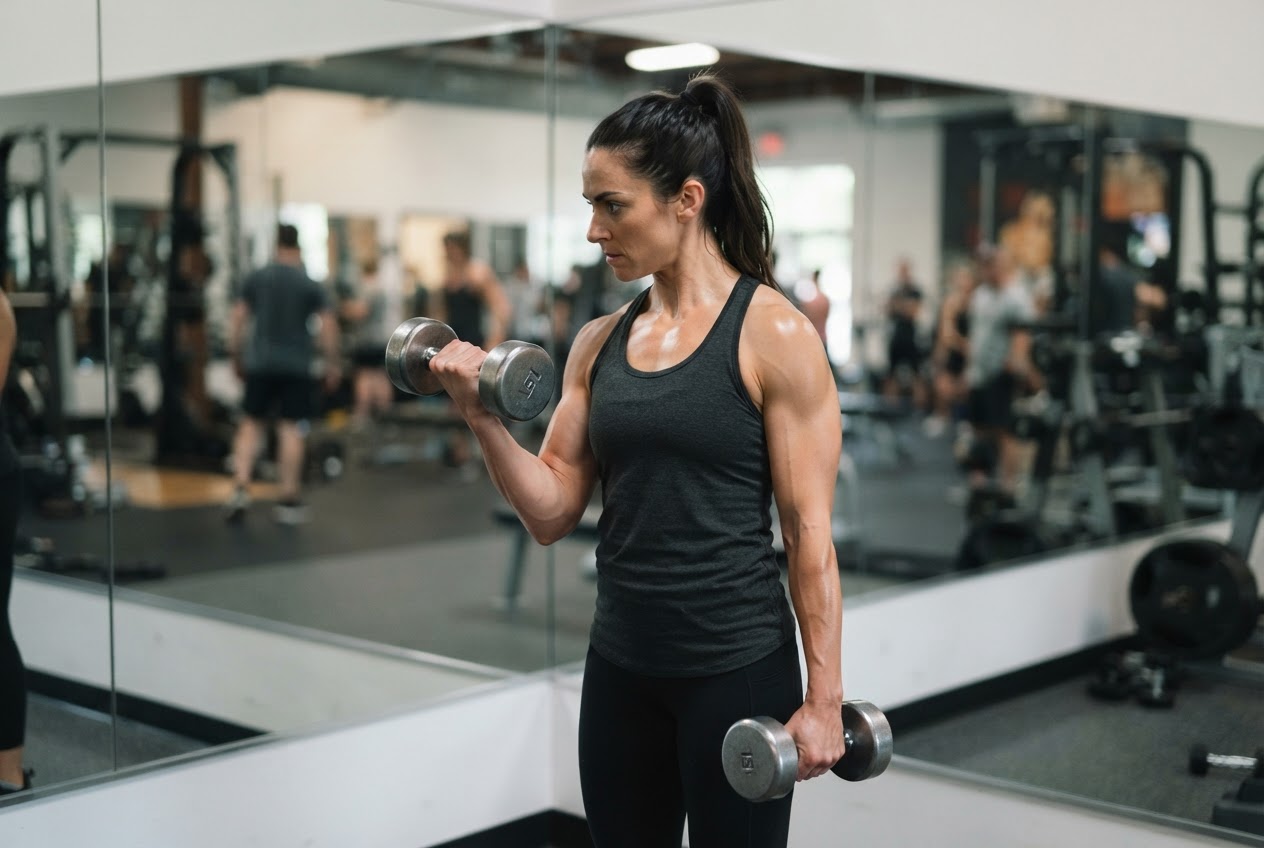
Understand rep ranges and why 8–12 is useful, but not magic.
Read the guide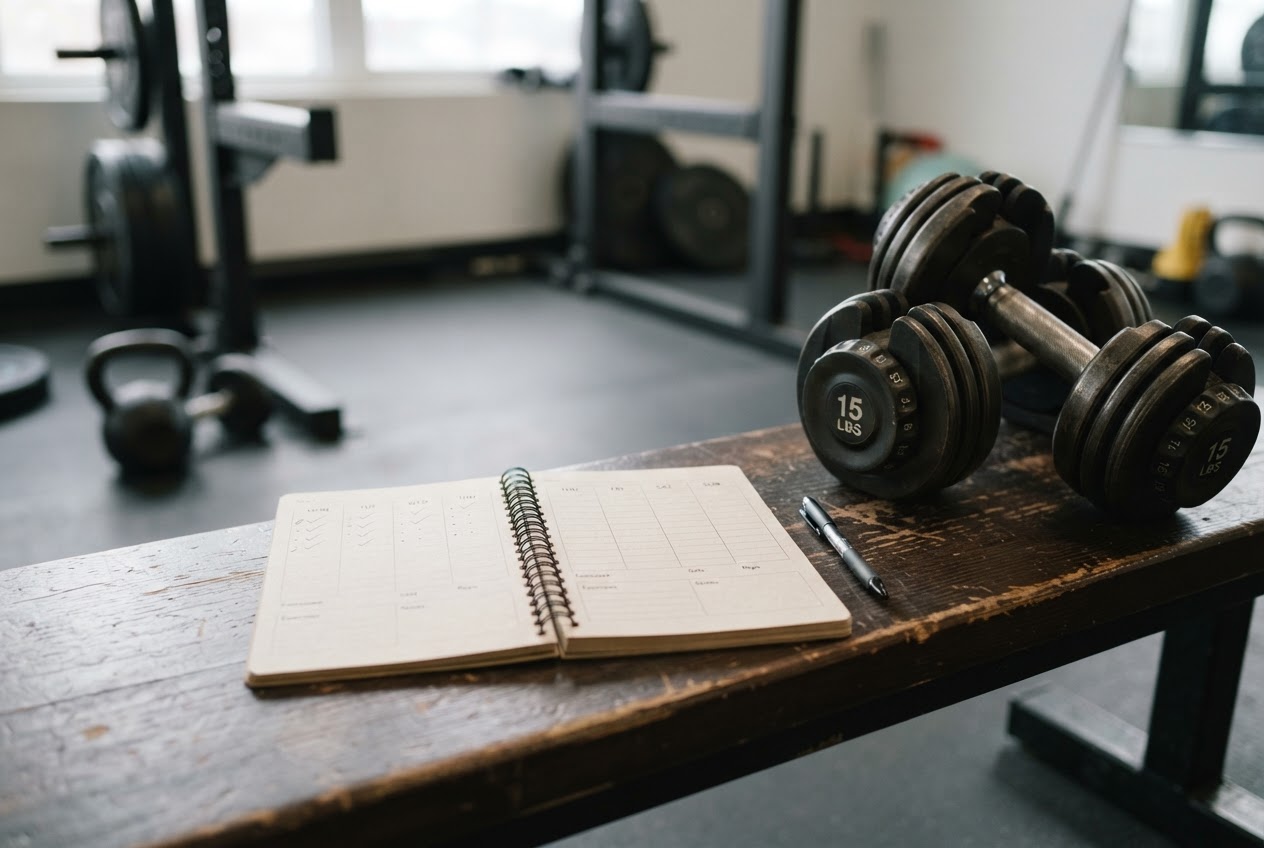
Build a weekly schedule that fits your goal and your life.
Read the guide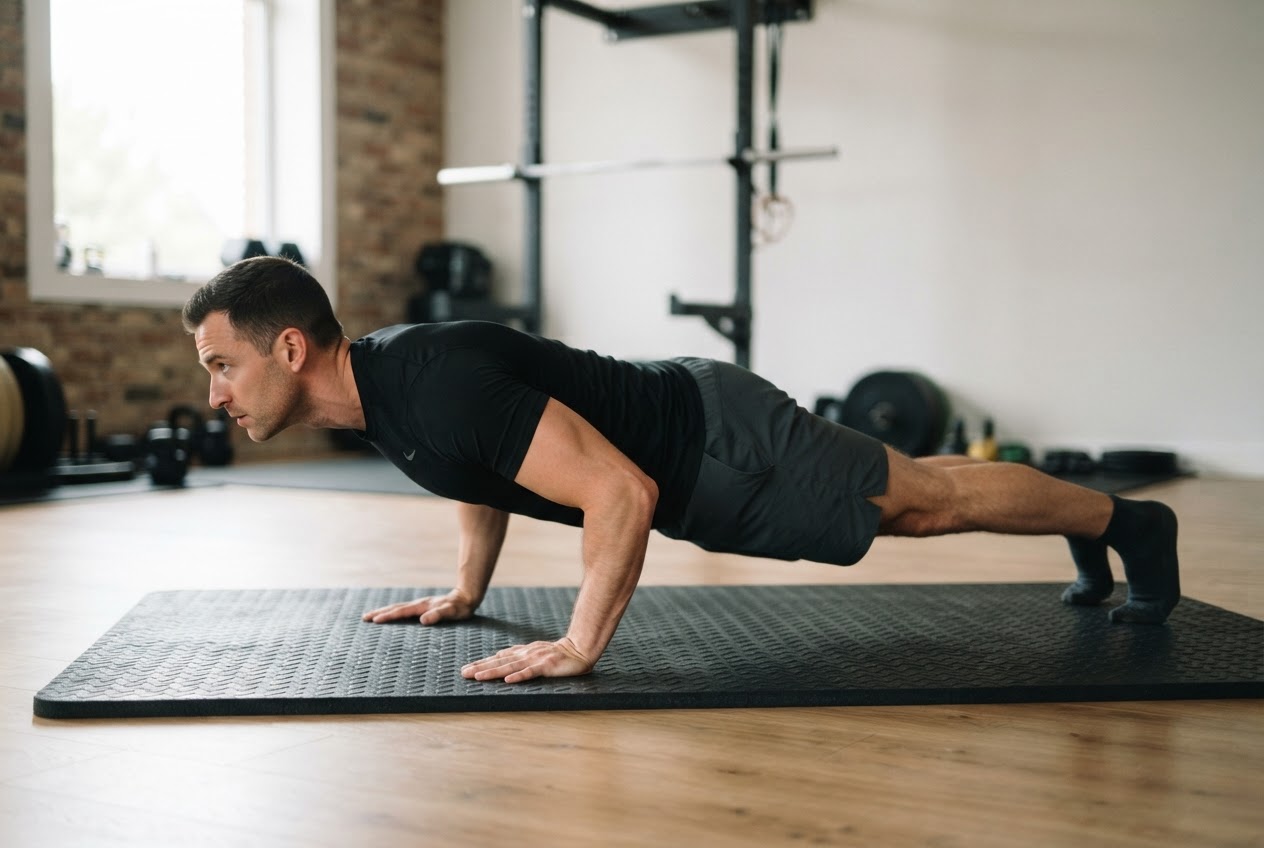
Get stronger with progressive bodyweight training.
Read the guide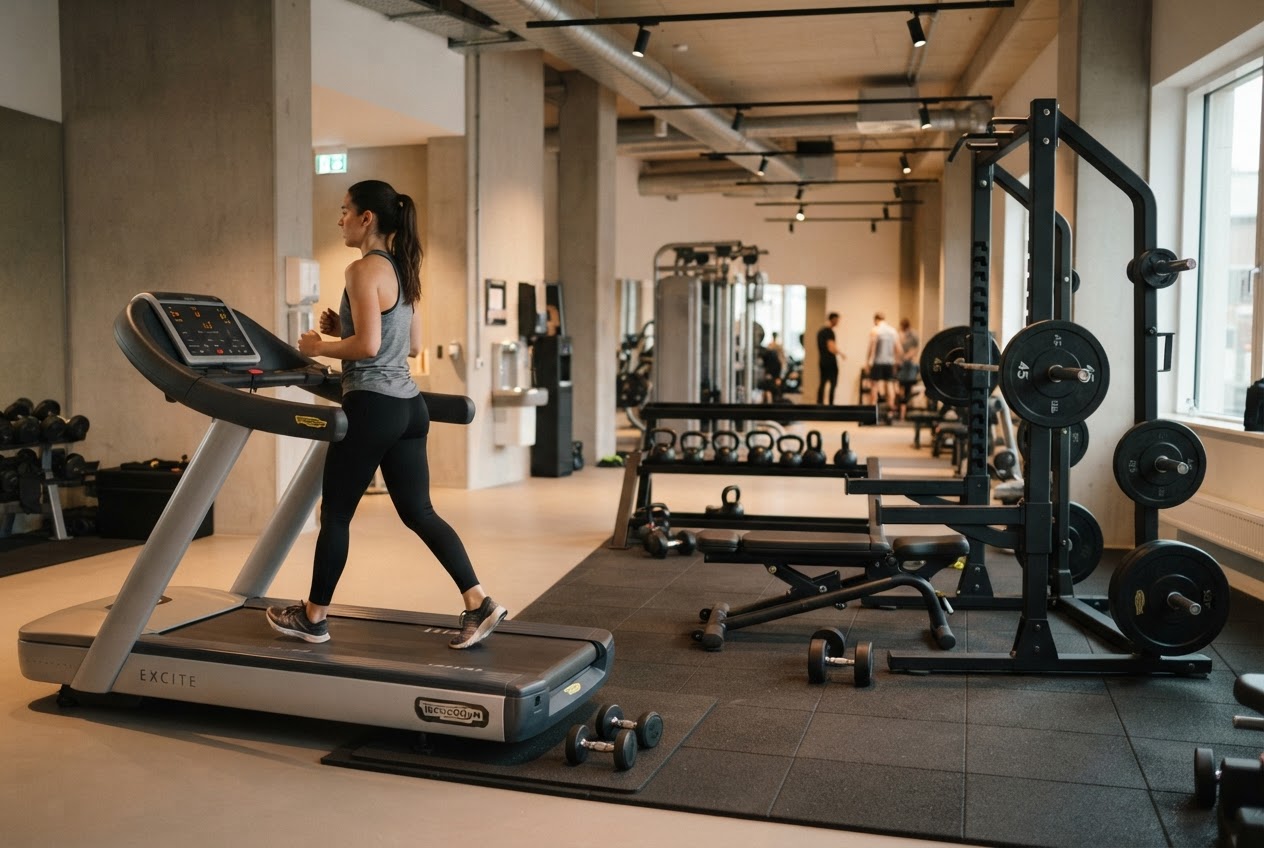
Choose the order that supports your training priority.
Read the guide
Why 10,000 is not a mandatory daily target.
Read the guide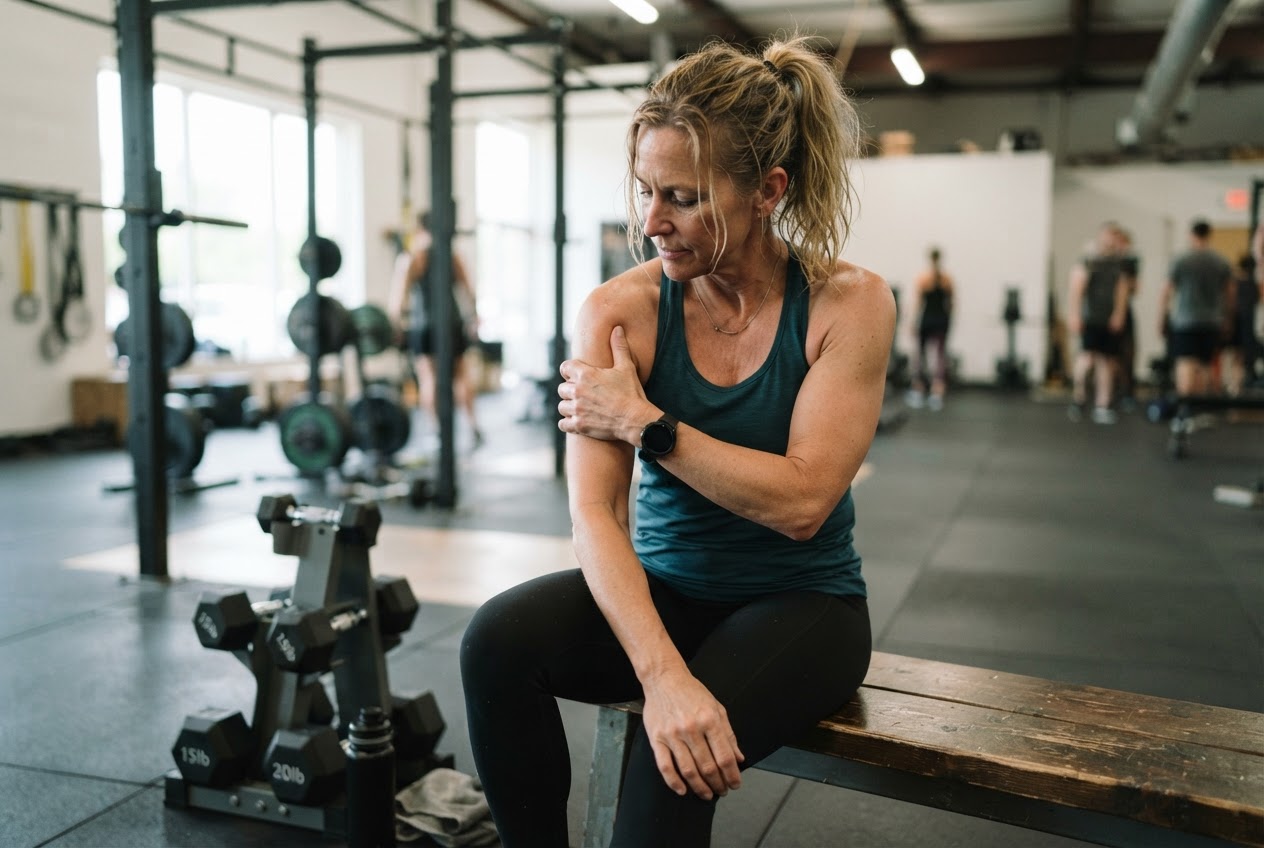
Understand DOMS and better signs of training progress.
Read the guide
Sleep guidelines and habits that support consistent training.
Read the guide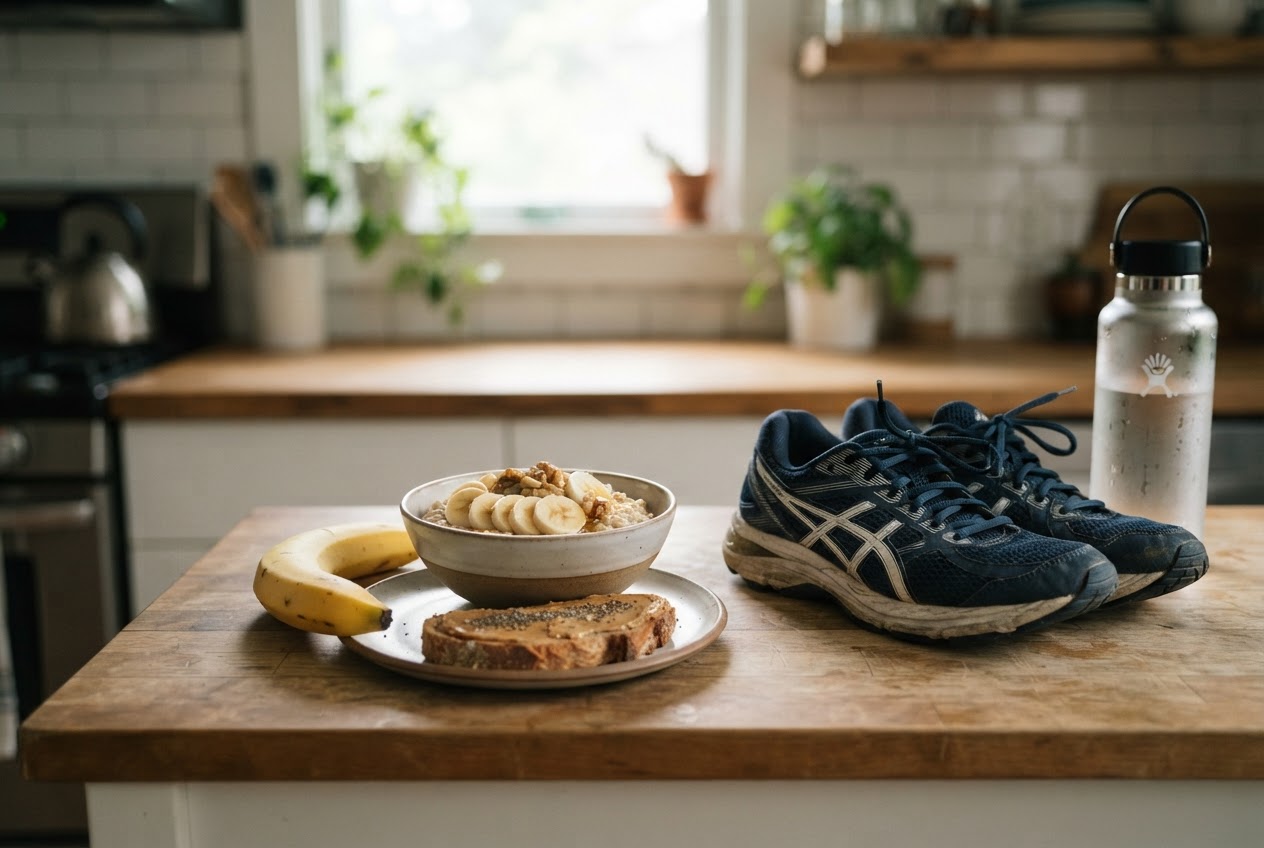
Food-first ideas to help you fuel your training.
Read the guide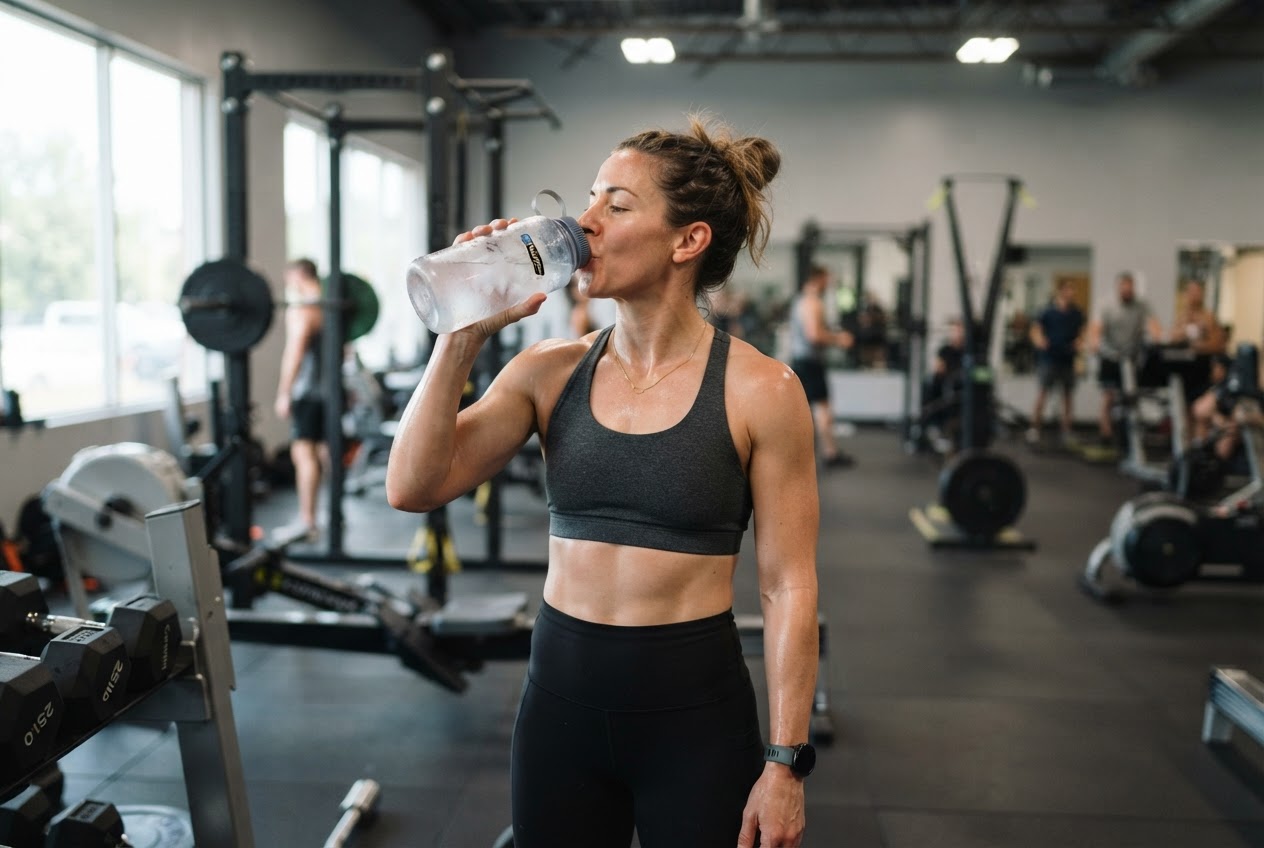
Hydration advice for gym sessions and exercise in the heat.
Read the guide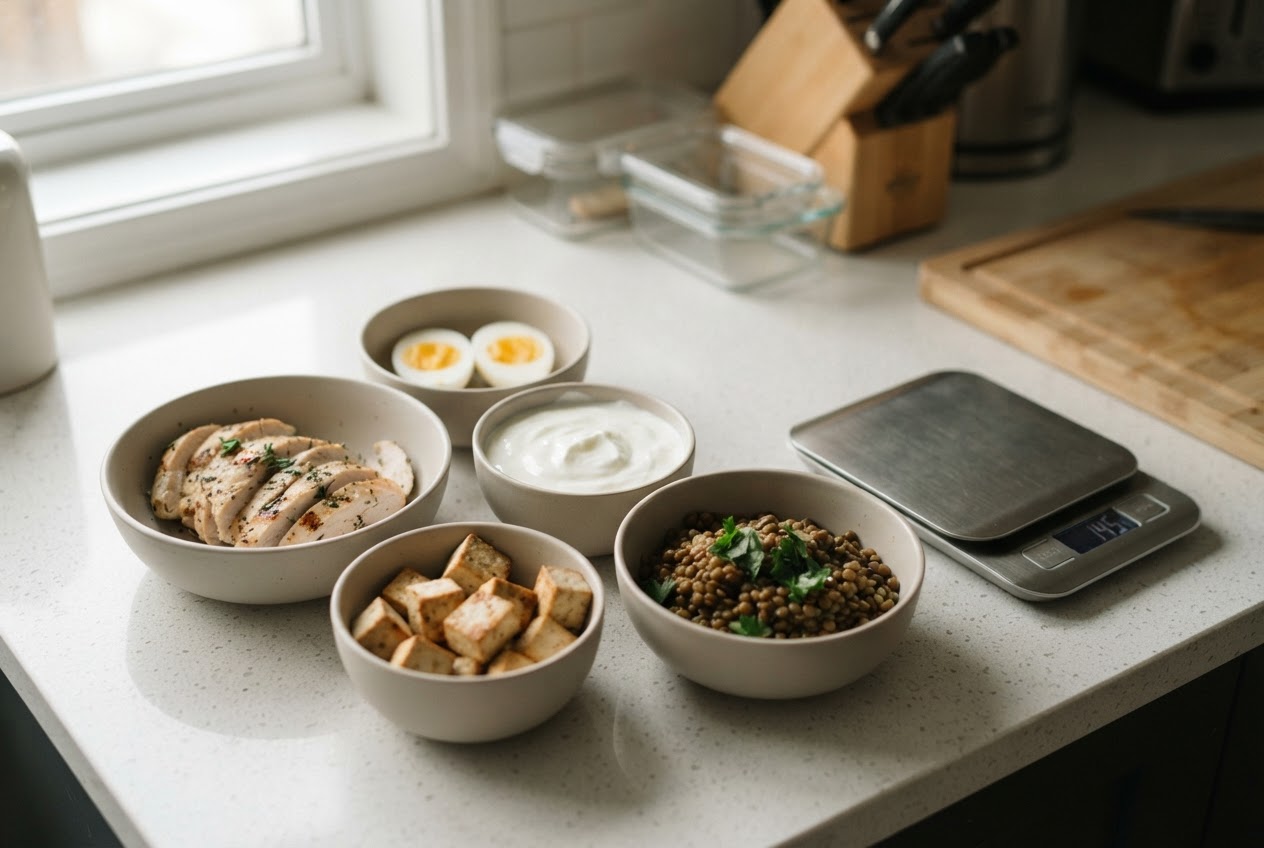
Daily protein recommendations, bodyweight calculations, food-first meal ideas and common myths.
Read the full guide
Explore evidence-based benefits, side effects, dosing and five creatine monohydrate powders.
Read the full guide
Understand the actual differences, what research says, and how five popular protein powders compare—without the marketing hype.
Read the full guideWe haven't published an article in this category yet. Check the other topics for available guides—we only publish when the research and writing are ready.