 RESTORE FIT
Stand in front of a supplement aisle, and the choice can feel complicated. Whey concentrate, whey isolate, hydrolyzed protein, blends—each promises support for muscle growth and recovery. But does a premium label really deliver a better result?
What is whey protein?
Whey is a milk-derived protein containing all nine essential amino acids. It is separated during dairy processing and then filtered into protein-rich powders. The difference between concentrate and isolate is mainly how much non-protein material is removed.
Whey concentrate
Retains more of the naturally occurring lactose, carbohydrate, and fat. It still delivers complete protein and often costs less.
Consider it for: everyday supplementation, straightforward nutrition, and value.
Whey isolate
Undergoes further filtration, generally producing more protein per gram and less lactose, carbohydrate, and fat.
Consider it for: lower-lactose preferences or more protein-concentrated formulas.
Which builds more muscle?
Muscle growth is driven by consistent resistance training alongside adequate energy, protein, and recovery. The National Institutes of Health notes that many athletes require roughly 1.2–2.0 grams of protein per kilogram of body weight daily depending on training needs.
A systematic review and meta-analysis by Morton and colleagues found that protein supplementation can improve gains with resistance training and observed an average benefit plateau around 1.6 g/kg/day in the studies analyzed. That is not a strict target for everyone. It does, however, reinforce the importance of daily intake rather than assuming a more processed powder produces superior gains.
Both concentrate and isolate deliver complete protein, including leucine, which helps stimulate muscle protein synthesis. Isolate's additional filtration can make it better suited to certain dietary preferences without necessarily improving long-term muscle growth when total protein intake is otherwise comparable.
Concentrate vs. isolate at a glance
| What matters | Whey concentrate | Whey isolate |
|---|---|---|
| Protein concentration | Generally lower | Generally higher |
| Lactose | Typically more | Typically less |
| Carbs and fat | Usually more | Usually less |
| Cost | Often more affordable | Often more expensive |
| Muscle-building role | Supports growth | Supports growth |
| Better fit | Value and general use | Lower-lactose preference |
These are general distinctions—not guarantees. Always compare the exact Nutrition Facts and ingredient list.
Five protein products to compare
Recommendations reflect published product information and independent research, not hands-on testing. Product details may change; verify information with the retailer.
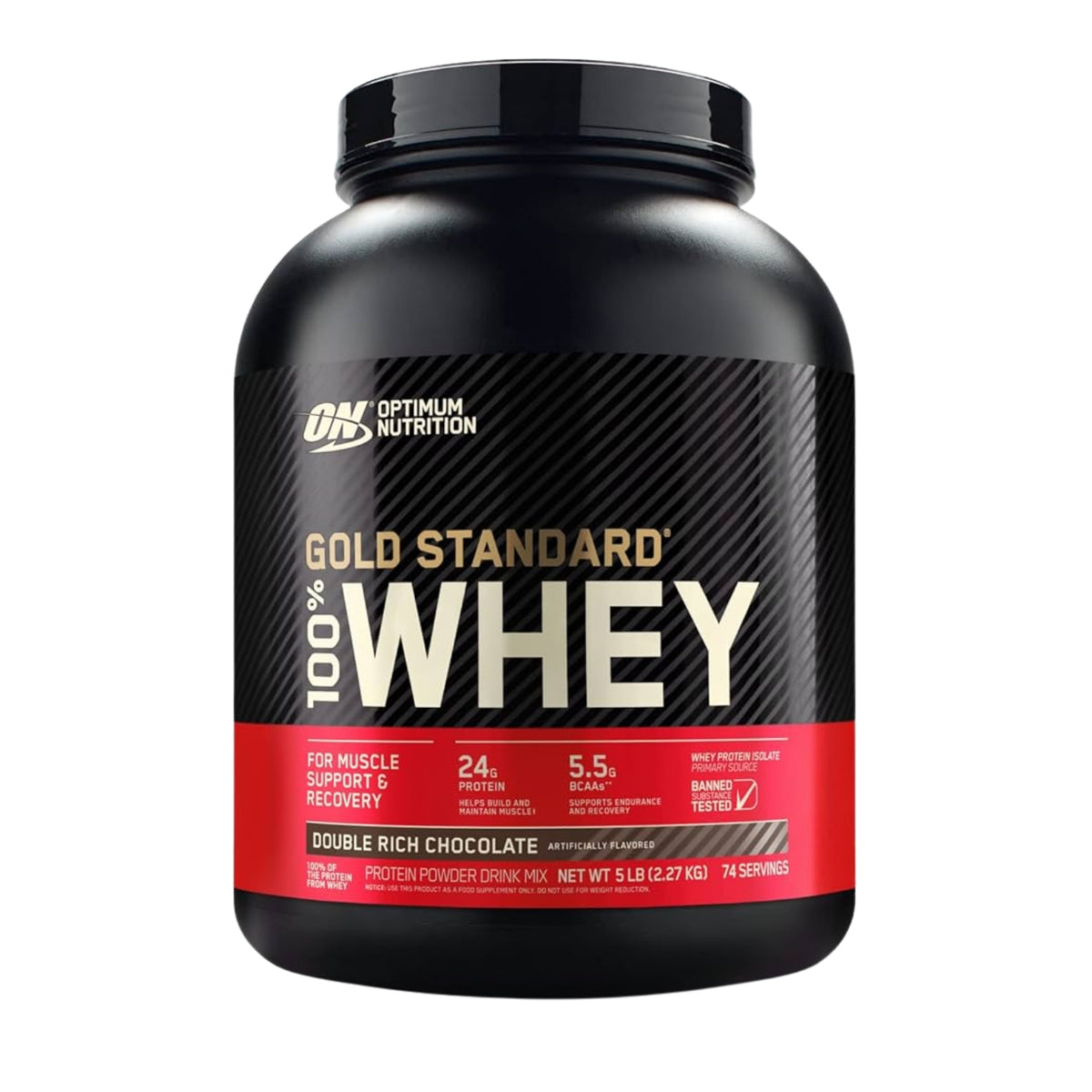
Optimum Nutrition Gold Standard 100% Whey
A blend of whey isolate, concentrate, and hydrolyzed whey, with isolate listed first. A flexible reference point for comparing a mixed formula against pure isolate.
Worth considering if: People who want a conventional multi-source whey blend with flavor choices.
What to consider: Not a pure isolate, and it still contains milk-derived ingredients. Flavor formulations may differ.
Paid link
Explore product details
Dymatize ISO100 Hydrolyzed Whey Isolate
Hydrolyzed whey isolate, processed into smaller protein fragments. Its extra processing and lower lactose content may fit some preferences, but are not proof of superior muscle gain.
Worth considering if: Shoppers who prefer a hydrolyzed isolate and accept a potentially higher price.
What to consider: Premium processing does not guarantee better training results at similar daily protein intake.
Paid link
Explore product details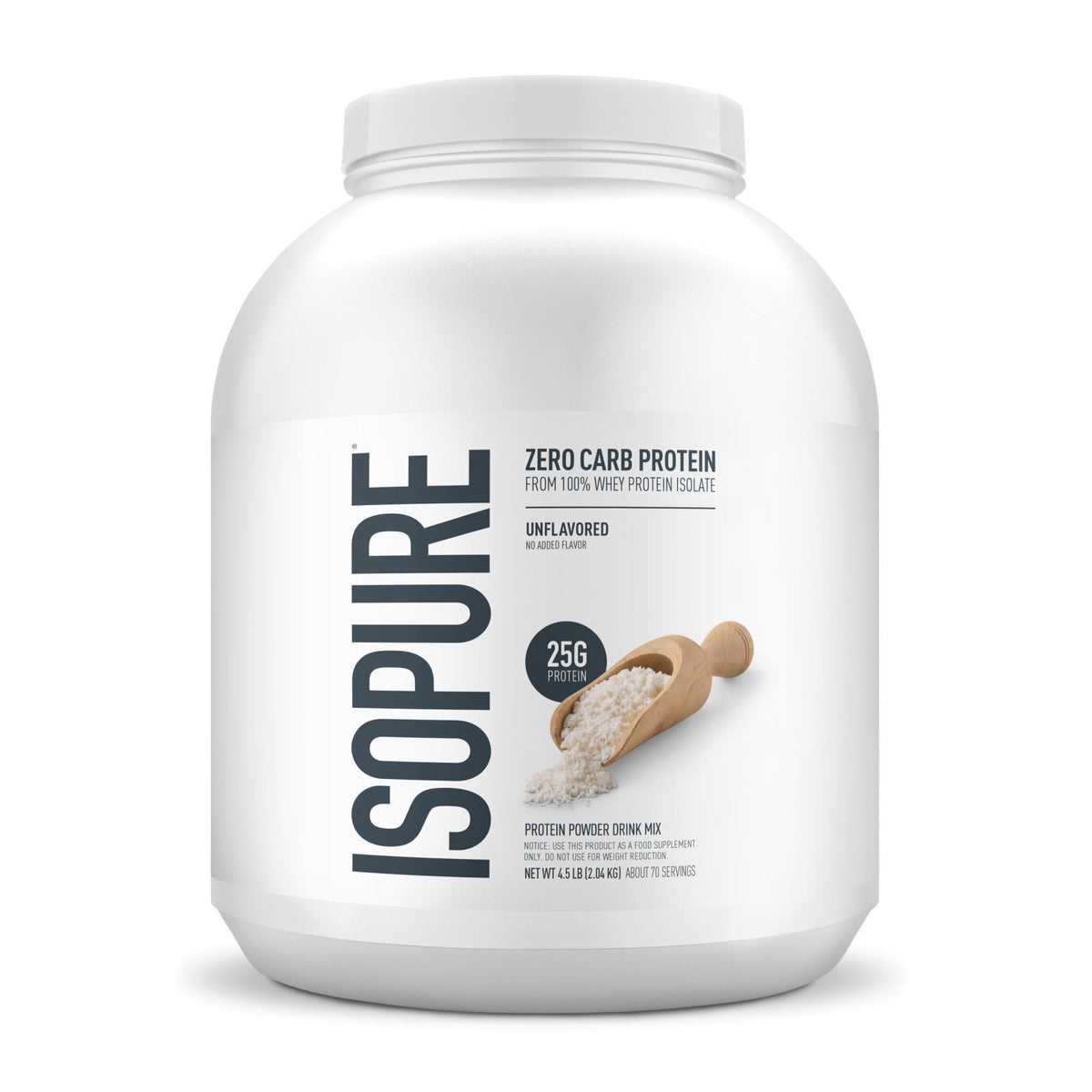
Isopure Zero Carb Whey Protein Isolate
A protein-concentrated isolate option. The pictured unflavored version lists 25g protein and zero carbohydrates, and can be blended into foods and drinks.
Worth considering if: People who prefer a zero-carb or unflavored option for smoothies and recipes.
What to consider: Zero carbs are not required for muscle growth. Specific linked flavors may have different ingredient labels.
Paid link
Explore product details
NOW Sports Whey Protein Concentrate
An unflavored whey concentrate with 24g protein per serving in the published product information; suitable for mixing into smoothies without choosing a sweet flavor.
Worth considering if: Budget-conscious readers who want an unflavored concentrate and tolerate dairy.
What to consider: Concentrate generally has more lactose than isolate and may not suit lactose-sensitive consumers.
Paid link
Explore product details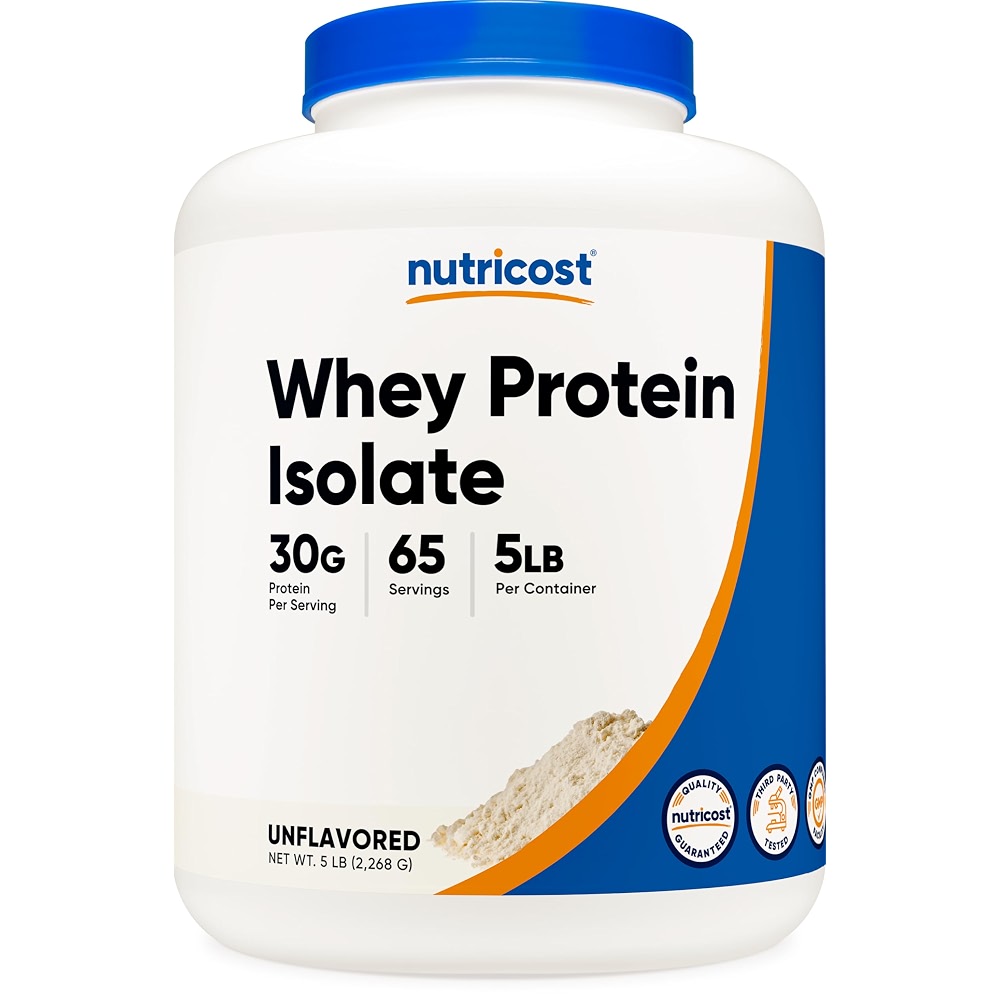
Nutricost Whey Protein Isolate
An isolate formula; a published unflavored label lists 30g protein per serving. A useful candidate for comparing protein per scoop against protein per dollar.
Worth considering if: Readers comparing higher-protein servings and straightforward isolate formulas.
What to consider: Scoop size, servings per container, and flavors vary. Compare price per 25g protein, not label claims alone.
Paid link
Explore product detailsHow to choose a powder that fits your goals
Training for muscle growth? Start with daily protein needs. A concentrate, isolate, or blend can all be useful.
Working with a limited budget? Compare price per 25 grams of protein—not tub size or scoop count alone.
Sensitive to lactose? Isolate may be better tolerated, although tolerance varies. Whey is unsuitable for anyone with a milk protein allergy.
Making smoothies? An unflavored protein is flexible. Either form can work if it suits your diet.
Eating lower-carb? Check the actual label; not every isolate has zero carbohydrates.
Protein powder is a convenience, not a requirement. Eggs, fish, poultry, dairy, soy foods, beans, and other protein-rich foods also contribute to daily protein intake.
Common questions
Is whey isolate better for losing fat?
Not by itself. Body-fat reduction depends substantially on energy balance. A slightly different calorie or carbohydrate profile may help some people plan their diets, but there is no special fat-loss effect from the word “isolate.”
Do I need protein immediately after lifting?
A protein-rich meal or shake after training can be convenient, but a strict narrow window is not necessary for most people. A consistent daily intake matters.
Is whey safe for everyone?
No. Whey contains milk proteins and must be avoided by people with a milk allergy. People with kidney disease or medically prescribed protein restrictions should consult an appropriate healthcare professional.
The Restore Fit takeaway
Concentrate and isolate are both useful tools for meeting protein needs. If concentrate works for your budget and digestion, it may be enough. If lower lactose or a more protein-concentrated formula matters to you, isolate may justify the additional expense.
Build consistently. Eat purposefully. Make informed decisions.
References
- NIH Office of Dietary Supplements: Exercise and Athletic Performance
- Morton et al. (2018): Protein Supplementation and Resistance Training Meta-analysis
- Optimum Nutrition: Gold Standard whey blend ingredients
- Dymatize: ISO100 product details · Isopure: Unflavored isolate product details
- NOW Sports: Whey concentrate label · NIH Label Database: Nutricost isolate
Editorial note: Specifications and product photography are drawn from publicly available manufacturer and retailer materials. Product formats can change. Images are included for review; confirm rights or replace with authorized Amazon Associates product imagery before public publication. Affiliate links supplied by the site owner are preserved as provided.