 RESTORE FIT
Foam rollers and massage guns promise relief after tough workouts. But which one is actually useful—and is the more expensive option worth it? The answer depends on whether you want broad pressure, targeted massage, or simply a comfortable way to move after exercise.
What happens to your muscles after a hard workout?
Resistance exercise places mechanical tension on muscle fibers and challenges the nervous system and energy stores. Unfamiliar or strenuous exercise can also produce some muscle damage and delayed-onset muscle soreness (DOMS). Soreness often appears hours later and peaks in the following day or two; it is not a reliable scorecard for how much muscle you built. Over time, training adaptation and sufficient food and sleep matter far more than any single recovery gadget.
Foam rollers and massage guns are forms of self-applied mechanical pressure. They may change how tight or sore an area feels and temporarily improve how freely you move. That is different from proving that the tools physically break apart muscle “knots,” clear toxins, or repair tissue on command. Research supports more modest, short-term benefits.
Foam roller vs. massage gun: what is the difference?
Broad, bodyweight-based pressure
You place a muscle group over a cylinder and move slowly. Your body position controls pressure. Rollers are easy to use on thighs, calves, glutes and parts of the upper back, but can feel awkward when reaching certain spots.
Practical strengths: No charging, straightforward upkeep, and good coverage of larger areas.
Targeted, powered percussion
A motor moves a massage head in repeated pulses. You guide it over fleshy muscle areas, making it convenient for focused work on calves, quads or shoulders. Different speeds and attachments may change how intense the sensation feels.
Practical strengths: Easy to reposition, compact options, and little bodyweight effort.
What does the research actually show?
Foam rolling may ease soreness, but effects are limited
A 2024 systematic review and meta-analysis covering 16 randomized trials and 515 participants reported reductions in post-exercise soreness with foam rolling, particularly after 24 hours. The effects varied across outcomes and timing. That is a reason to consider rolling for comfort—not proof of accelerated muscle repair. [1]
Another 2024 review found that foam rolling or stretching did not outperform other active warm-up methods for short-term flexibility or stiffness changes. Walking, gentle cycling, and dynamic movements can also prepare your body for activity. [2]
Massage guns may help movement comfort; recovery claims need caution
A 2023 systematic review of 11 massage-gun studies found possible short-term improvements in range of motion and stiffness, but many studies had a moderate risk of bias, and performance benefits were not consistently demonstrated. [3] A newer review of percussive therapy found some recovery-related effects but no clear overall benefit for muscle soreness or maximum strength recovery. It also noted important limitations in the certainty of evidence. [4]
There are too few strong, directly comparable trials to declare a universal winner between the two devices. A more expensive tool is not automatically more effective.
Which should you use before or after training?
Before a workout: Start with easy movement and a gradually increasing warm-up. If you like rolling or percussion, use it briefly for comfort, then practice the movements you will train. Do not rely on either tool as a replacement for warming up.
After a workout: If a gentle session leaves you feeling less stiff, it may be worthwhile. A few controlled passes on a foam roller or a short, low-intensity massage-gun session can be enough to assess your tolerance. More force is not automatically better.
On a rest day: Mild walking, normal movement, food, hydration and adequate sleep remain useful. Our guides to active recovery vs. rest days and sleep for muscle recovery explain these basics.
How to use each tool safely
Foam-rolling basics
Start with a larger muscle such as a quad or calf. Support part of your weight with your arms and move slowly for about 30–60 seconds. Keep breathing and adjust pressure to a tolerable level. Avoid directly rolling the spine, joints or a newly injured area.
Massage-gun basics
Begin at the lowest comfortable setting over a large, fleshy muscle. Keep the head moving rather than pushing hard into one point. Avoid bones, joints, the front or sides of the neck, open wounds, bruising and inflamed tissue. Follow the manufacturer's instructions.
Stop if you feel sharp pain, numbness, dizziness or worsening symptoms. Anyone with a recent injury, blood-clot risk, bleeding disorder, use of anticoagulant medication, or another relevant medical condition should ask a qualified clinician whether self-massage is appropriate.
Which one is better for your needs?
For a newcomer who wants something basic to use on the legs and upper back, a straightforward foam roller is a sensible place to start. If you dislike putting body weight on a roller or want to reach a particular muscle with less effort, a massage gun may be more convenient. A deeply textured roller may feel too aggressive at first; a portable premium massage gun may be more than you need.
Our editorial approach: Compare materials, coverage, portability, supplied accessories and price at checkout. We have not performed hands-on testing or lab testing of the five specific products below, so we are not claiming that one brand improves recovery more than another.
Five products worth comparing
These examples cover smooth rolling, patterned rolling, more pronounced texture, portable percussion and a smaller premium massage gun. The Amazon links were supplied by Restore Fit. Check current variations, package contents and retailer information before purchasing.
Recommendations reflect published product information and independent research, not hands-on testing. Product details may change; verify information with the retailer.
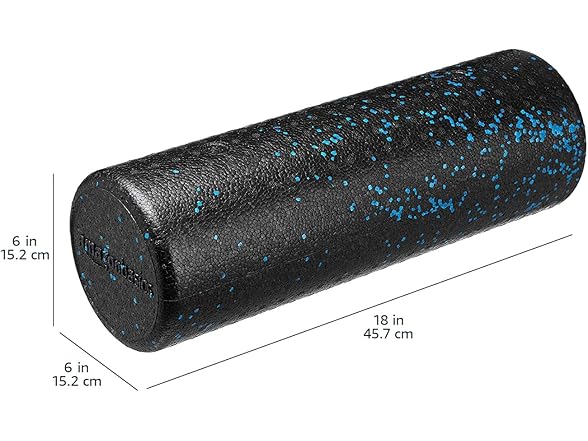
Amazon Basics High-Density Foam Roller — 18" (Blue Speckled)
A basic, firm, non-textured roller that covers large muscle areas such as the thighs and upper back. The selected Amazon listing is the blue-speckled 18-inch variant.
Best suited for: A practical first roller if you want something simple and easy to wipe clean.
What to consider: It is firm rather than plush; avoid pressing hard on sensitive areas. The speckled appearance and 18-inch size are variant-specific.
Paid link
View product details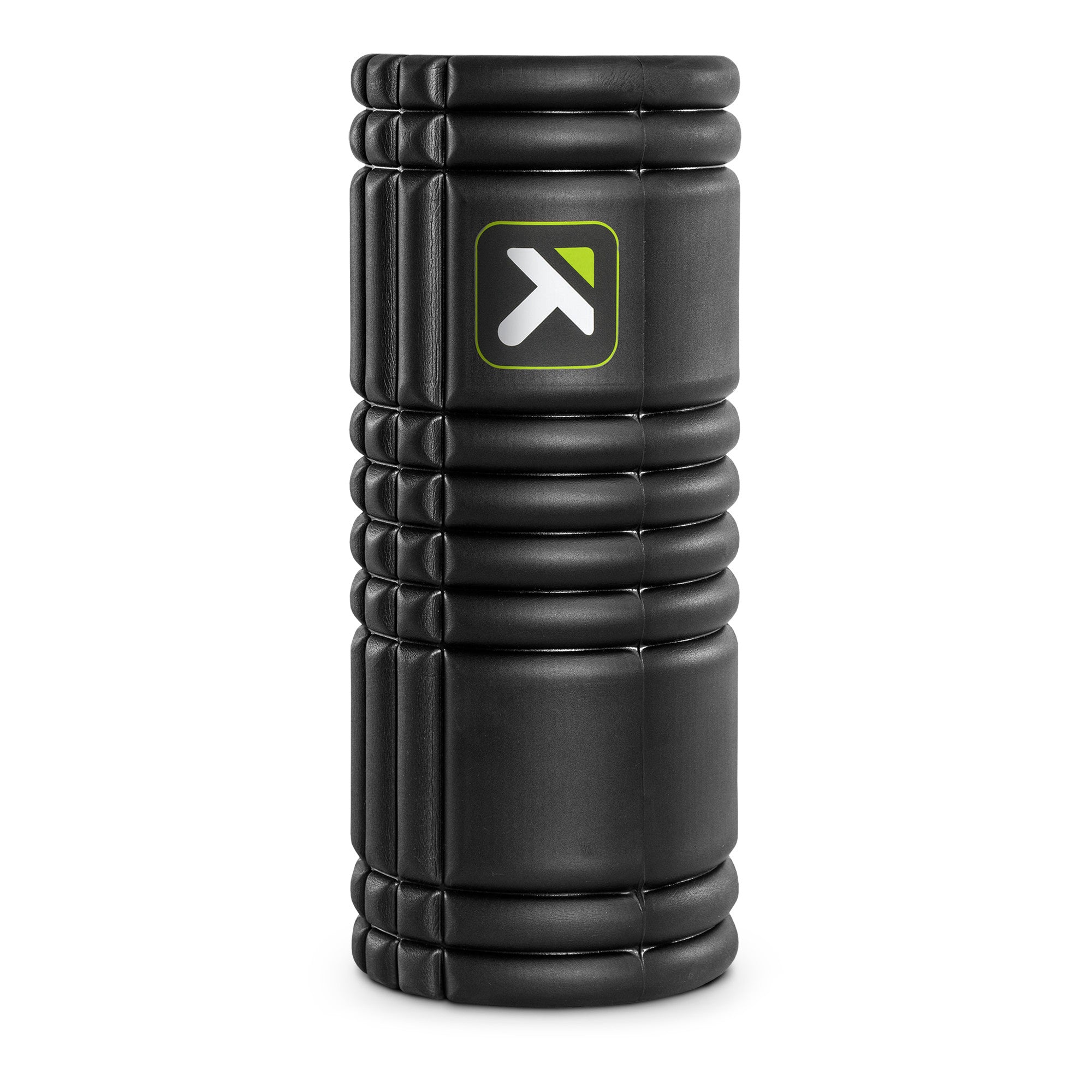
TriggerPoint GRID Foam Roller — 13" (Black)
A compact roller with raised and flatter GRID zones over a rigid hollow core. The selected ASIN corresponds to the black 13-inch model.
Best suited for: People who prefer varied contact textures and want a compact tool for the gym bag.
What to consider: A smaller roller covers less area per pass. The textured surface may feel intense; start gently.
Paid link
View product details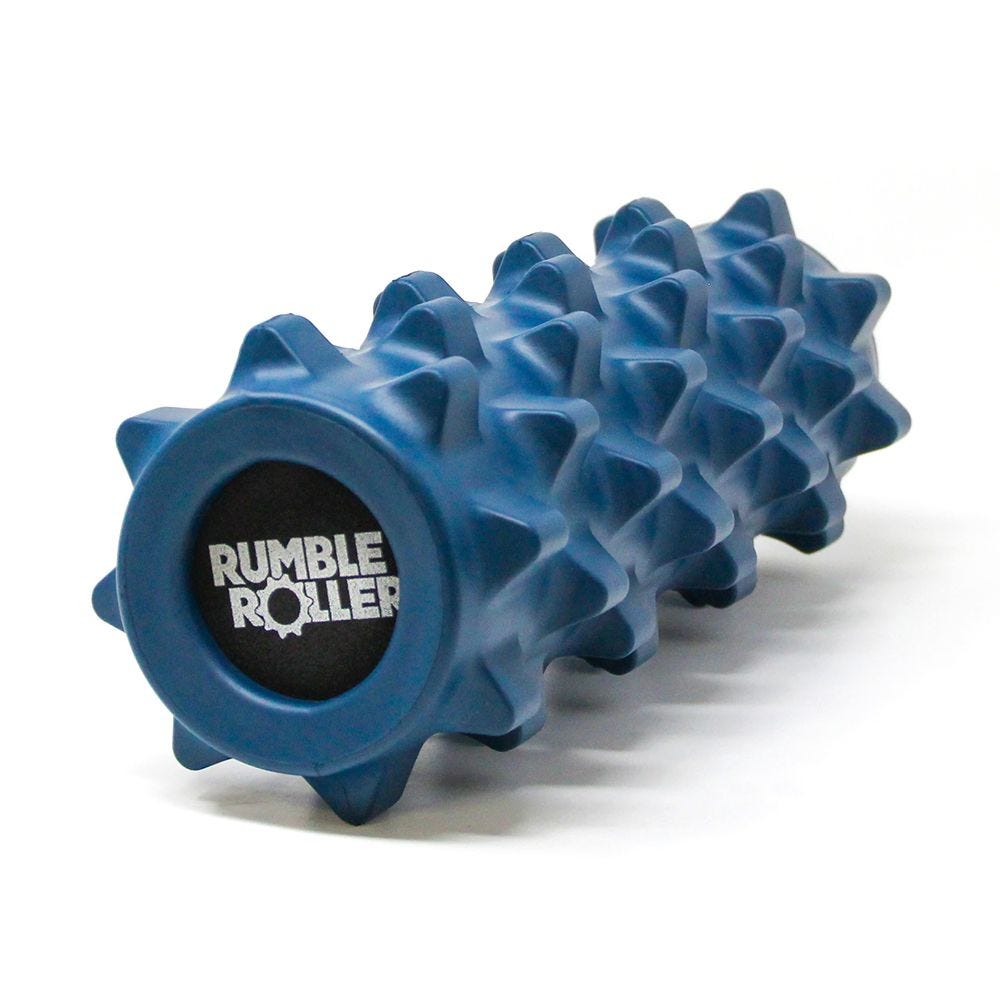
RumbleRoller Original Textured Foam Roller
The Original line uses pronounced flexible nodules for more localized pressure than a smooth cylinder. This is not the firmer Xtra Firm line.
Best suited for: People already comfortable with foam rolling who prefer targeted pressure on large muscle groups.
What to consider: It can be too uncomfortable for beginners. Check the exact length and color selected on the Amazon listing.
Paid link
View product details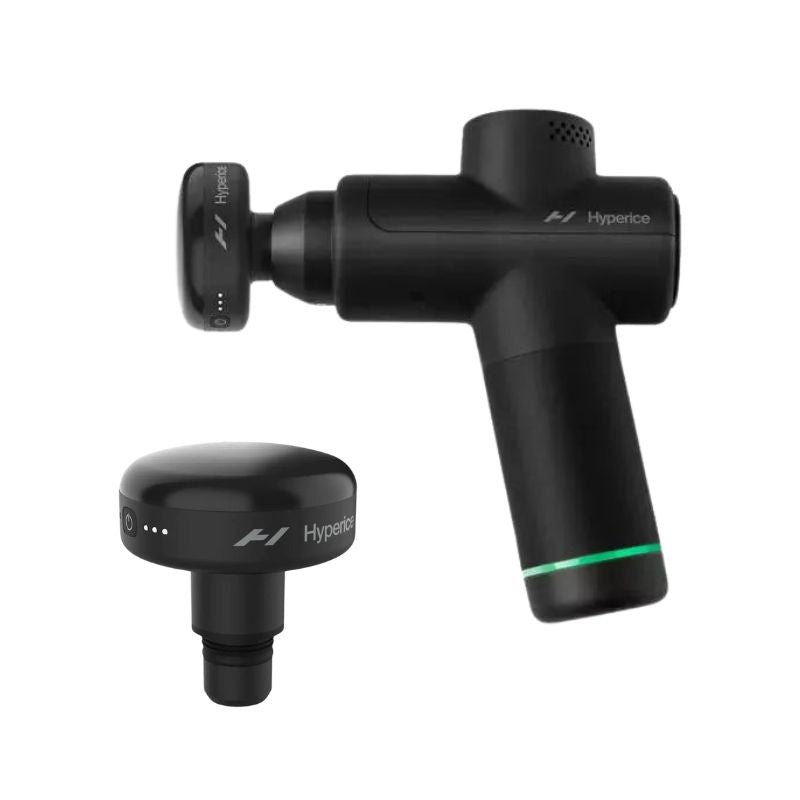
Hyperice Hypervolt Go 2 + Heated Head Bundle
The supplied Amazon ASIN is a bundle featuring the compact Go 2 percussion gun together with a heated-head attachment, rather than the stand-alone Go 2.
Best suited for: Readers who want portable targeted percussion and are specifically considering the extra heated accessory.
What to consider: This is a higher-cost and more complex option than a foam roller. Verify the exact bundle contents, charging version, and heated-head compatibility in the listing.
Paid link
View product details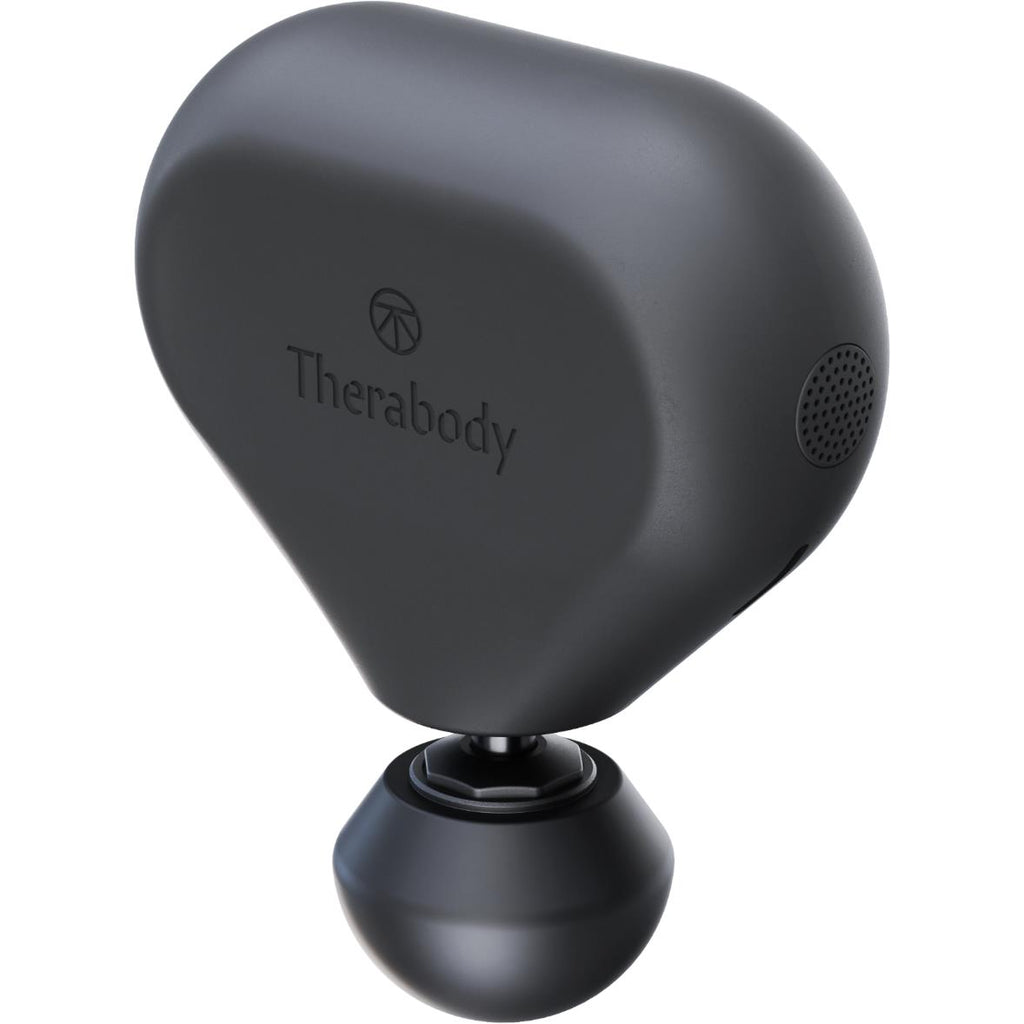
Therabody Theragun Mini — 3rd Generation
A small cordless massage gun with three speed settings and three included head attachments, according to the manufacturer.
Best suited for: People who want compact, easy-to-store targeted massage and are comfortable paying more than a foam-roller budget.
What to consider: A premium device is optional, not necessary for muscle growth or normal recovery. Confirm the generation, attachments and warranty before buying.
Paid link
View product detailsQuick questions people ask
Is a foam roller better than a massage gun for muscle soreness?
Neither is proven superior for everyone. Foam rolling has modest research support for soreness after training. Percussion therapy may change short-term comfort and mobility, but evidence for reduced soreness is inconsistent. Choose based on which feels comfortable and is practical to use.
Can a massage gun break up muscle knots?
The everyday term “knot” describes a feeling of tightness or tenderness, not necessarily a discrete structure that can be physically broken apart. Percussion might temporarily reduce discomfort, but evidence does not support claims that it breaks adhesions or clears lactic acid.
Do you need either one to recover properly?
No. Appropriate training progression, rest, sufficient nutrition, hydration and sleep matter more. You can build muscle, stay active and recover well without owning either tool. For more context, read whether soreness means growth and the muscle recovery timeline.
References
- Zhou et al. (2024) — Foam rolling and post-exercise soreness, systematic review and meta-analysis.
- Foam rolling and stretching versus other warm-up methods (2024), systematic review and meta-analysis.
- The effects of massage guns on performance and recovery (2023), systematic review.
- Percussive therapy dosage and exercise-induced muscle damage (2026), systematic review and meta-analysis.
- Product information: TriggerPoint GRID, RumbleRoller Original, Hyperice Go 2, and Therabody Mini 3rd Gen. Selected Amazon product variations should be verified at checkout.
Restore Fit provides general fitness education, not personalized medical advice. Product specifications and photographs are representative of identified models and can change. Photography used for editorial identification may be subject to third-party use restrictions; obtain appropriate image permissions before commercial promotion. We have not personally tested these products. All Amazon affiliate links were provided by the site owner.
Featured editorial photo: People Creations / PikWizard (free commercial-use photography). No recovery or medical outcomes are guaranteed.