 RESTORE FIT
A fitness tracker can count steps and record workouts. A smartwatch can also manage messages, navigation and apps. But more features do not automatically mean better workout data. The best choice starts with your training goals and the information you actually use.
What is the difference between a tracker and a smartwatch?
A fitness tracker puts movement, step totals, exercise minutes and sleep estimates first. Its small screen, lightweight body and longer battery life can be ideal when you prefer less distraction. Some trackers, such as Fitbit Charge 6, have built-in GPS; simpler trackers, such as Inspire 3, rely on a paired phone for mapped routes. [1]
A smartwatch adds app ecosystems, richer notifications and often larger displays to fitness functions. That convenience has trade-offs: more charging, device compatibility requirements and sometimes subscription-based extras. A dedicated running watch sits between these categories, prioritizing training and navigation metrics rather than phone features.
Which fitness-watch measurements can you trust?
Steps, activity & heart rate
Step tracking in steady walking is often reasonably useful for spotting changes over time. Optical wrist heart-rate estimates can work well during rest or steady exercise, although movement, fit, skin conditions and resistance training may reduce accuracy. [2–3]
Calories & sleep stages
Calories burned are model-based estimates, not direct measurements of your metabolism. Studies continue to find larger errors in energy expenditure than in several other wearable measures. Sleep-stage algorithms also estimate rather than clinically diagnose sleep. [2–4]
One 2020 meta-analysis found wrist-heart-rate readings differed more during resistance training and cycling than during rest or treadmill exercise. A newer review also reported meaningful variation in calorie-estimation accuracy across devices. These studies compare groups and generations of devices; they do not establish that any specific watch in this guide is the universally most accurate. [2–4]
Five questions to answer before buying
Do you need GPS without your phone?
For walks or runs where you leave your phone behind, look for built-in GPS. A device with only connected GPS can still map routes if your phone comes along.
How often will you charge it?
Smaller trackers may last close to a week or longer under typical settings. More capable watches often need charging more frequently; GPS and always-on displays reduce battery life.
Do you want coaching or just data?
Basic steps, workouts and heart-rate trends may be enough. Some advanced coaching, sleep insights or guided features require a membership. Check what works without paying monthly.
Will it work with your phone?
Operating-system compatibility matters more than brand popularity. In particular, Pixel Watch 4 requires a compatible Android phone; iPhone users should not buy it expecting pairing.
Question five: What do you actually train? Walking and general health habits need much less hardware than multi-hour GPS runs. Strength athletes may benefit from a separate chest strap for targeted heart-rate sessions, but they can still track progressive overload with a simple workout log.
Quick comparison: the five devices
Garmin Forerunner 165: Built-in GPS running watch; up to 11 days in smartwatch mode and up to 19 hours of GPS-only tracking in manufacturer estimates. Pixel Watch 4 (45 mm): Android-focused smartwatch with dual-frequency GPS; up to 40 hours with always-on display, per Google. Your results will vary by settings, use and connected features. [5–7]
How to use wearables without obsessing over the numbers
Choose two or three useful signals—not every available metric. For a walking goal, compare weekly step averages; for running, examine pace, duration and how hard the sessions feel; for lifting, record exercises, sets, repetitions and loads. If your watch estimates 600 calories burned, treat it as a rough reference rather than an exact food allowance. The value comes from noticing meaningful patterns and making sustainable choices, not chasing a flawless number.
Five wearable products to compare
The products below represent different jobs and budgets, not a ranking from worst to best. They differ in form factor, features and compatible phones. We selected specific Amazon listings so you can check each model; prices, colors, included accessories and software features can change. We have not tested these units ourselves.
Recommendations reflect published product information and independent research, not hands-on testing. Product details may change; verify information with the retailer.
Fitbit Inspire 3 — Midnight Zen
A slim, lightweight tracker for daily steps, movement reminders, optical heart rate and sleep tracking. It covers essential activity habits without the size and complexity of a full smartwatch.
Worth considering if: People who mainly want comfortable all-day activity and sleep trends rather than advanced running maps or phone apps.
What to consider: GPS routes rely on a compatible connected phone; it does not have standalone built-in GPS. Some guided insights require a paid membership. Check current phone compatibility.
Paid link
Explore product details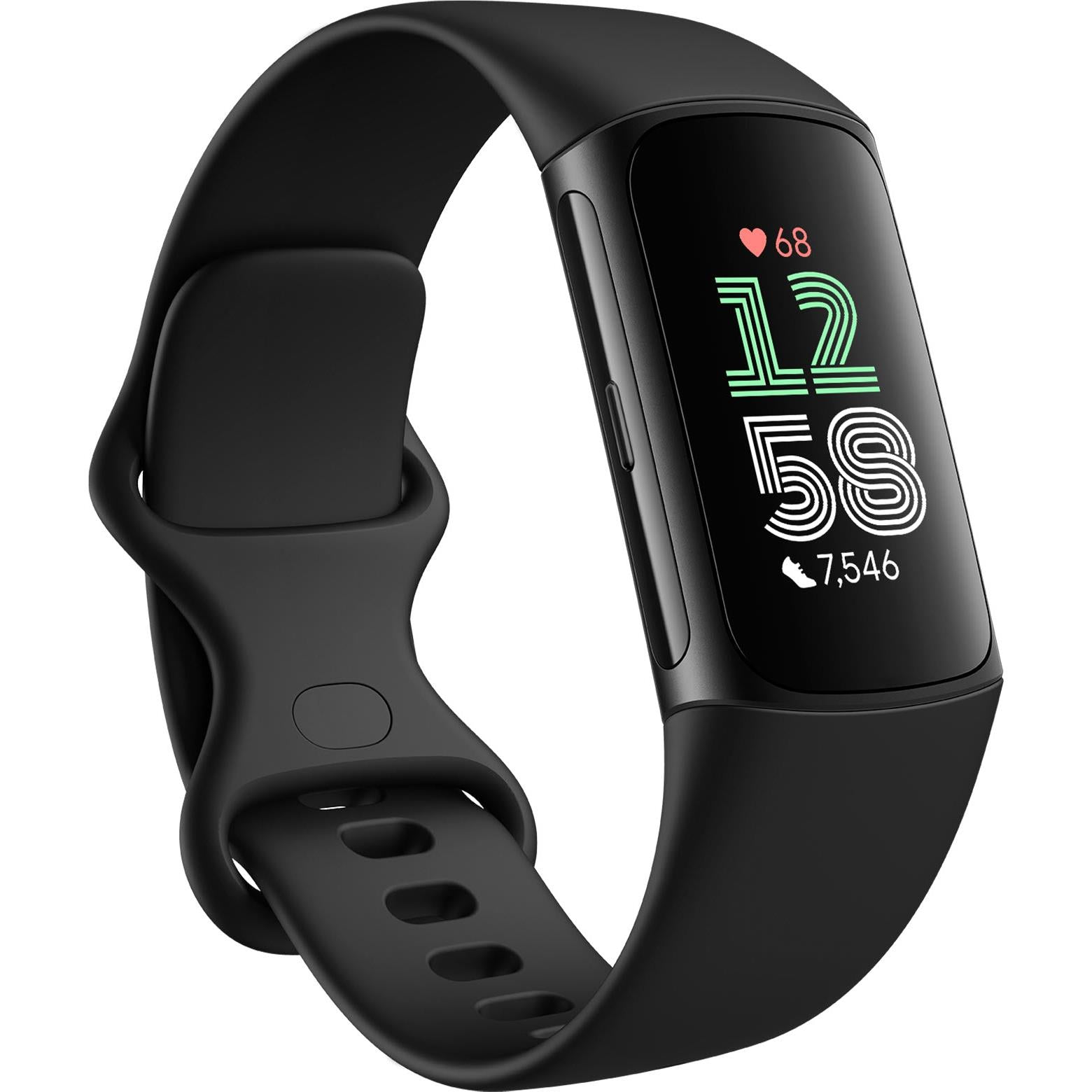
Fitbit Charge 6 — Obsidian / Black
A more training-focused fitness band with built-in GPS, optical heart-rate monitoring, exercise modes and convenient Google integrations. Its slim form makes it an appealing middle ground between Inspire 3 and larger watches.
Worth considering if: Walkers, gym-goers and runners who want independent GPS workout tracking without committing to a larger watch.
What to consider: Battery life falls with GPS and always-on features. Some app features require membership or a supported phone; wrist heart rate can still vary with exercise conditions.
Paid link
Explore product details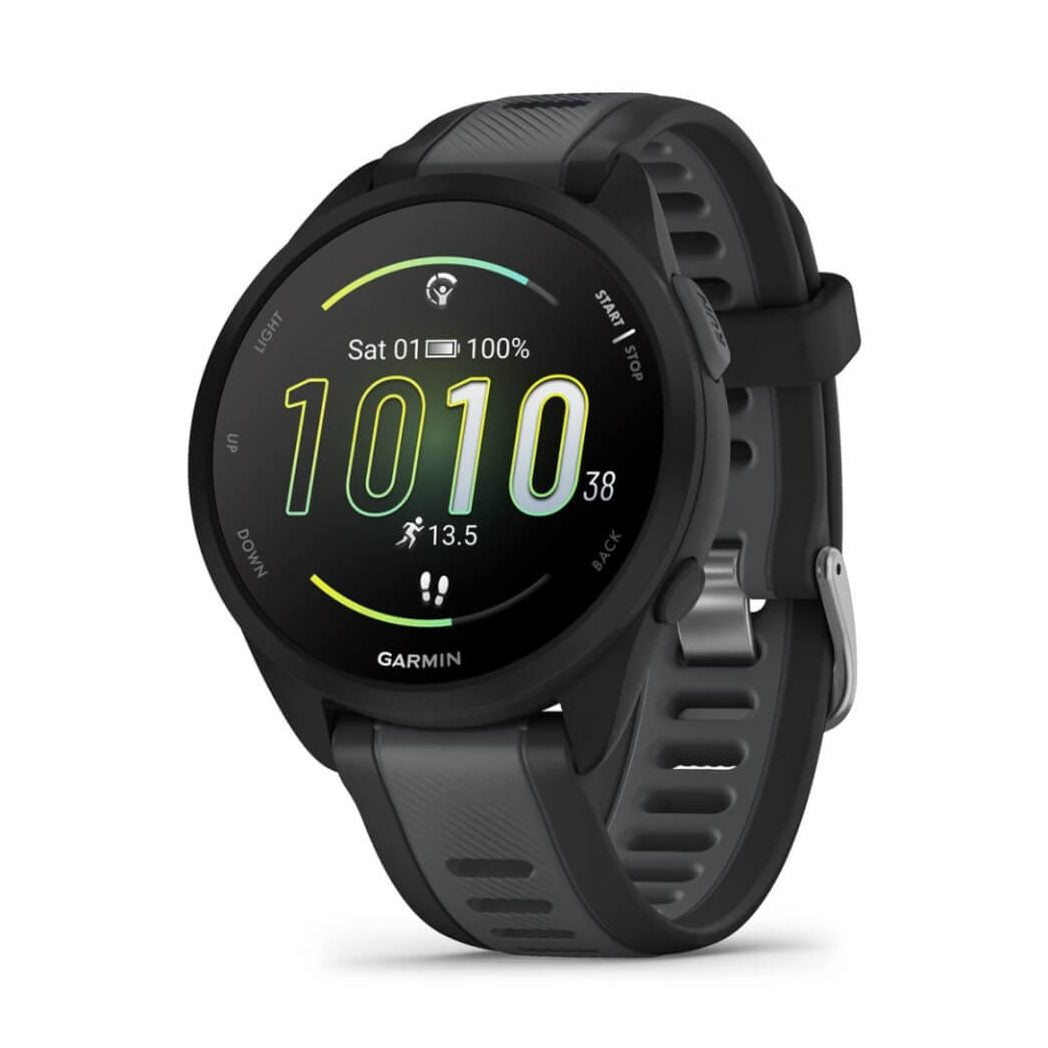
Garmin Forerunner 165 — Black / Slate Gray
A dedicated GPS running watch with pace, distance, training and recovery tools. The round AMOLED screen and physical buttons are tailored to runners who want clear outdoor workout data rather than extensive phone-app functions.
Worth considering if: Runners building a structured training routine who care about routes, pace, distance and workout planning.
What to consider: The selected listing is the standard Forerunner 165, not the separate 165 Music model. Do not assume offline music storage is included. Battery specifications change considerably with GPS usage.
Paid link
Explore product details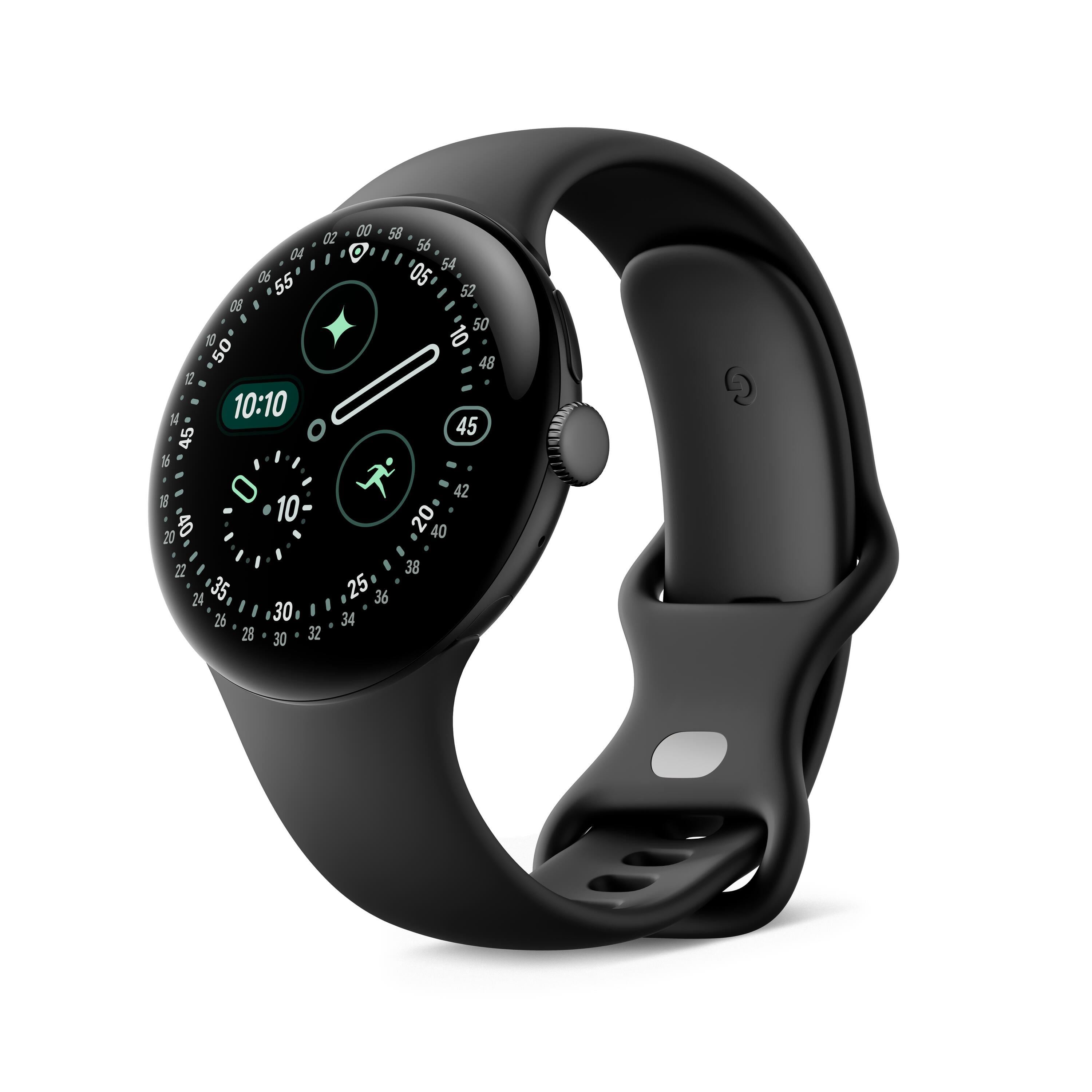
Google Pixel Watch 4 — 45 mm, Obsidian Wi-Fi
A full Wear OS smartwatch that combines workouts, dual-frequency GPS, messaging, apps and notifications on an advanced round display. It is a lifestyle smartwatch with substantial fitness features, rather than a simple activity band.
Worth considering if: Android users who genuinely want smart communication features and training tools on one device.
What to consider: This exact selection is the 45 mm Wi-Fi model, not LTE. It requires a compatible Android phone and does not pair with iPhones. Battery life is shorter than the lightweight bands; premium coaching may cost extra.
Paid link
Explore product details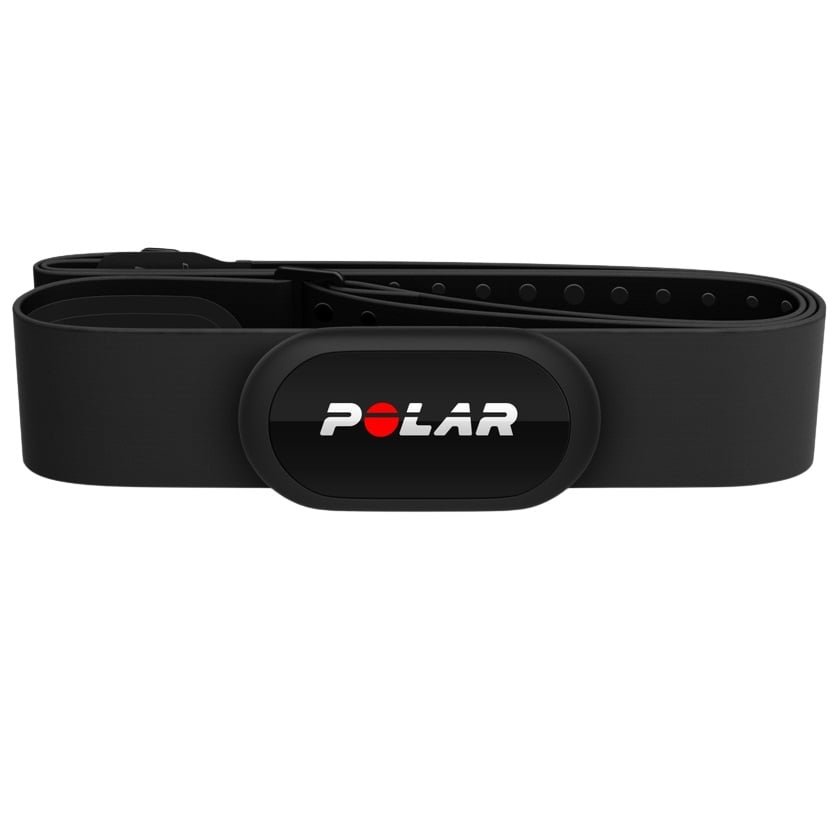
Polar H10 — Black, M–XXL Chest Strap
A dedicated chest-worn heart-rate sensor that reads electrical heart signals and connects with compatible apps, watches and gym equipment. Unlike a smartwatch, it does not show notifications, count daily steps or provide a wrist screen.
Worth considering if: Athletes who particularly value detailed exercise heart-rate monitoring, especially when wrist sensors struggle during intervals or heavy lifting.
What to consider: It must fit snugly and be worn against the chest, and it requires a compatible receiving device or app to view data. The battery is replaceable rather than rechargeable. Check chest strap sizing.
Paid link
Explore product detailsWhich one should you actually choose?
For a simple daily activity habit, start by comparing Inspire 3 and Charge 6. Charge 6 may justify the extra complexity for built-in GPS and training features; Inspire 3 is useful when the phone comes along and you mostly want lighter tracking.
For a running-first routine, the Forerunner 165 prioritizes pace, routes and training data. For an Android user who wants apps and notifications, the Pixel Watch 4 may be more convenient, but it requires more frequent charging. For an athlete focused specifically on heart-rate data, the H10 is a different category: a useful accessory when paired with a compatible display or app, not a substitute for a watch.
Frequently asked questions
Is a smartwatch more accurate than a fitness tracker?
Not automatically. Accuracy depends on the sensor, software, activity, fit and the outcome being measured. A larger price tag or display does not guarantee more accurate exercise calories. [2–4]
Can I track a run without taking my phone?
Yes, on devices with built-in GPS such as Charge 6, Forerunner 165 and Pixel Watch 4. Inspire 3 uses paired-phone GPS for mapped outdoor routes. Check whether any particular feature requires connectivity or an app. [1,5–6]
Do I need a chest strap if I have a smartwatch?
Usually not for broad wellness trends. If you closely monitor heart rate during intervals, cycling or resistance workouts, a compatible chest sensor can be a useful additional measurement tool. Polar H10 uses an electrical measurement method and can connect to supported devices via Bluetooth and ANT+. [3,8]
Can any of these devices tell me exactly how many calories I burned?
No. Even high-end wearables estimate energy expenditure. Treat daily calorie numbers as approximate and avoid adjusting nutrition based solely on a single session’s reported burn. [2,4]
Looking to interpret your wearable data? See our related Restore Fit guides on fitness tracker calorie estimates, chest strap versus smartwatch heart rate, and heart-rate variability.
References
- Google Health Help Center — GPS capabilities of Fitbit trackers and Pixel Watches.
- 2026 systematic review — Advances in wrist-worn activity trackers and measurement accuracy.
- Systematic review and meta-analysis — Validity of wrist-based heart-rate measures by activity.
- Systematic review — Accuracy and acceptability of wrist-wearable activity trackers.
- Google — Fitbit Inspire 3 product information and Charge 6 technical specifications.
- Garmin Forerunner 165 battery life information and model comparison.
- Google — Pixel Watch 4 technical specifications and Android compatibility.
- Polar — H10 electrical sensor, connectivity, battery and wear method.
Restore Fit provides general fitness education, not medical advice. Consumer wearables are not a substitute for clinical testing or professional evaluation. Published accuracy studies describe groups of devices; they do not validate each current model here for clinical use. Images depict representative identified products from third-party retailers and may require additional image permissions before wider commercial promotion. We did not conduct hands-on testing. Amazon product prices, memberships and compatibility can change. All five Amazon Associates URLs were supplied by the site owner and retain their tracking parameters.
Editorial article preview photo: Ketut Subiyanto / Pexels, real photo of a person checking a fitness tracker outdoors, available under the Pexels license.