 RESTORE FIT
Lifting straps and weightlifting gloves can look like minor accessories, but they solve different problems. Straps help secure a bar when grip becomes the limiting factor. Gloves mainly provide a layer between your palm and the equipment. Wrist wraps and palm-style lifting grips add two more distinctions worth understanding.
What are lifting straps?
Traditional lifting straps loop around your wrist and wrap around a bar, helping resist the bar rolling out of your hand. This can be useful during deadlifts, barbell rows, shrugs and some other pulling exercises, particularly when your forearms fatigue before your back or posterior chain. Different designs—including long fabric straps and palm-flap aids—feel different and release differently.
Straps are not a substitute for exercise technique or appropriate load selection. Because they change how the bar is secured, learn to use them correctly with manageable weights before attempting heavy sets. They may be inappropriate for activities requiring an immediate release or where competition rules prohibit them.
What are lifting gloves?
Training gloves cover at least part of your palm. They can change bar feel, reduce direct skin friction and make equipment more comfortable for some users. However, they generally do not mechanically secure a heavy bar to your wrists the way straps do. Some gloves include an attached wrist-wrap section; that feature concerns wrist support rather than bar grip assistance.
What does research say about straps?
In a small 2021 deadlift study, participants using lifting straps experienced less grip fatigue and reported better grip security; some movement-performance outcomes also improved. A 2023 study of 10 resistance-trained women found more deadlift repetitions with straps and better preserved grip strength in the tested protocol. [1–2]
These findings are promising but limited to particular exercises, participants and short-term testing. A 2026 narrative review concluded that evidence for consistent benefits across all back-pulling exercises is mixed, and long-term muscle growth benefits from straps have not been established. It would be misleading to claim that straps automatically build more muscle. [3]
Lifting straps vs. gloves vs. wrist wraps
| Accessory | Main function | Useful for |
|---|---|---|
| Lifting straps | Help secure your hold on the bar | Deadlifts, rows, shrugs |
| Lifting gloves | Palm coverage and comfort | General gym lifting |
| Wrist wraps | Support around the wrist | Pressing and wrist positioning |
| Palm-style lifting grips | Alternative grip assistance | Pulling exercises |
Five accessories compared
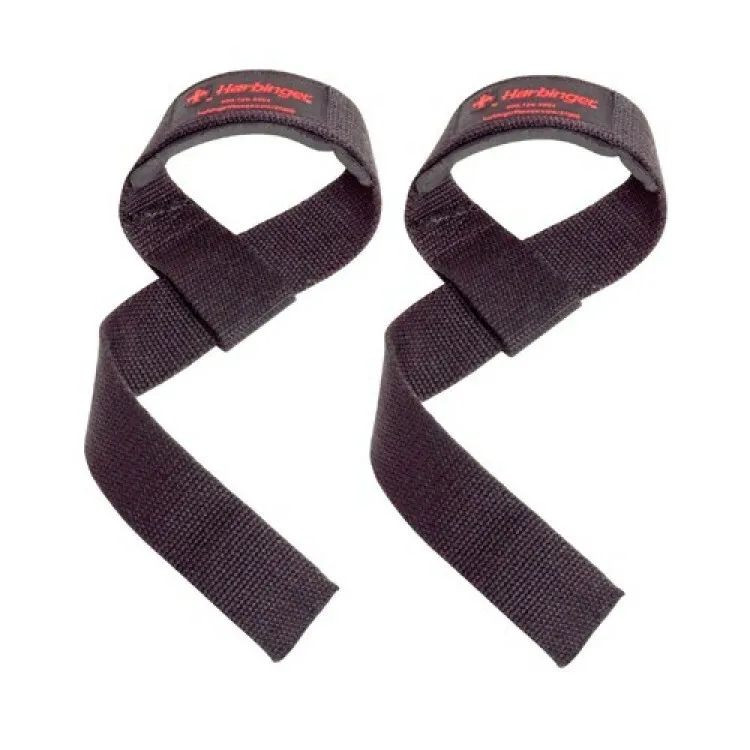
Harbinger Padded Cotton Lifting Straps
Traditional padded cotton lifting straps with cushioned wrist contact, designed to wrap around the bar during pulling exercises.
Best suited for: Deadlifts, shrugs and rows when your hands fatigue before the muscles you are training.
Before buying: You need to learn how to wrap and release straps properly. The padding does not replace proper technique.
Paid link · As an Amazon Associate I earn from qualifying purchases.
View on Amazon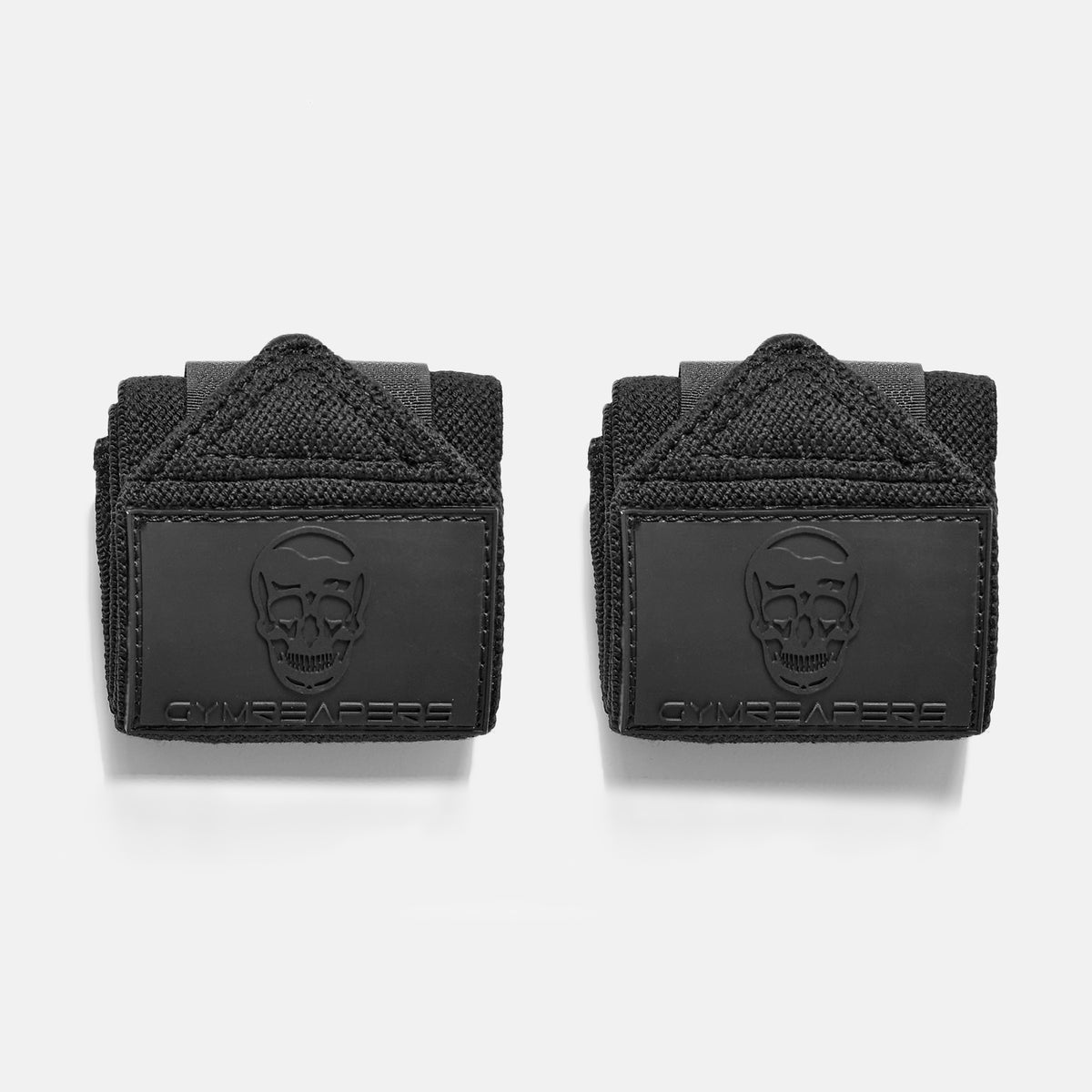
Gymreapers Wrist Wraps (not lifting straps)
This linked listing appears to be Gymreapers competition-style wrist wraps, which are intended to add wrist support rather than secure your hands to a pulling bar.
Best suited for: Comparing wrist support accessories for pressing or other wrist-demanding exercises.
Before buying: Do not confuse wrist wraps with lifting straps: wraps do not perform the same bar-gripping function. Verify the exact variation on Amazon.
Paid link · As an Amazon Associate I earn from qualifying purchases.
View on Amazon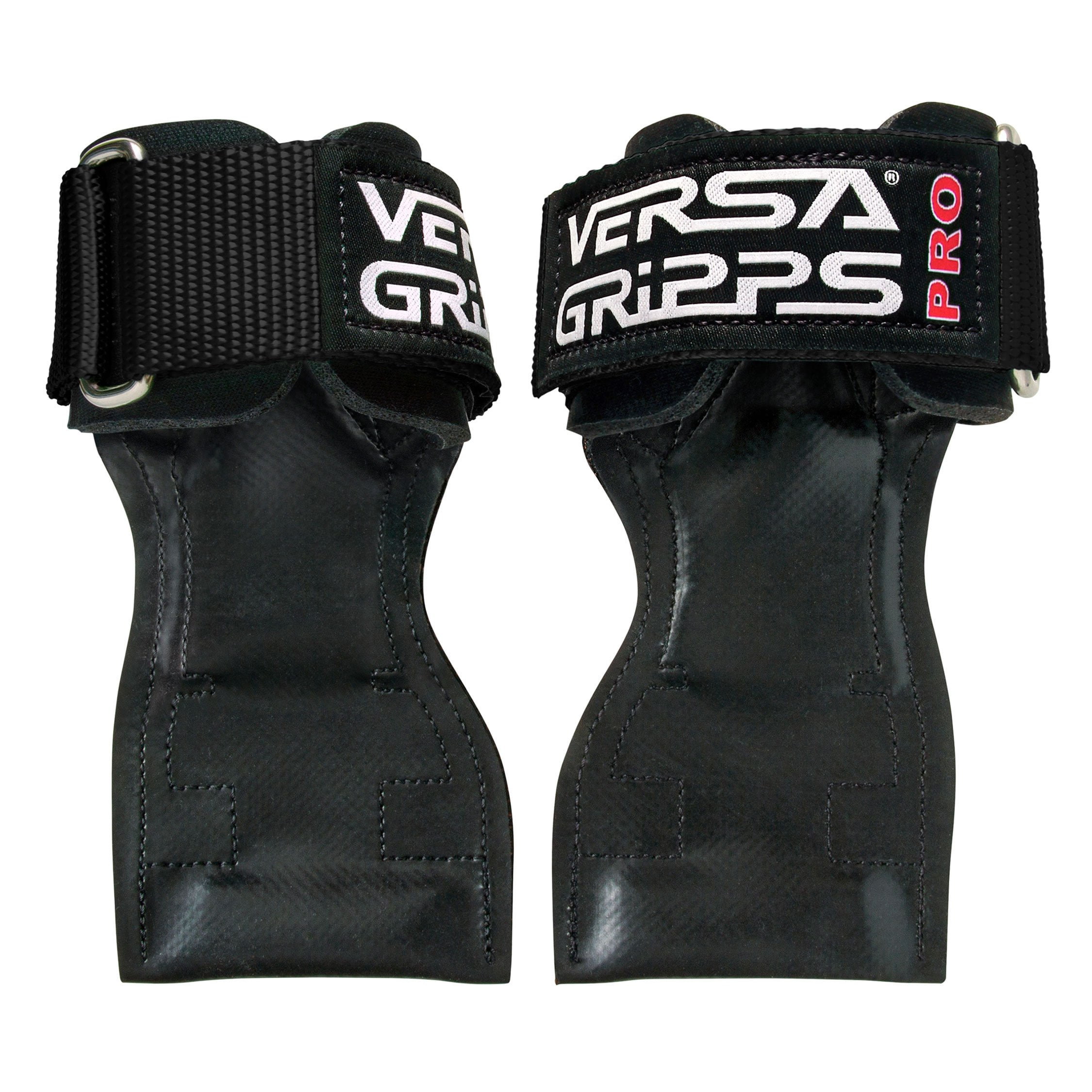
Versa Gripps Pro
A grip-assistance alternative to traditional straps, using a palm flap and wrist attachment to help secure contact with a bar.
Best suited for: People who prefer a quick-on/quick-off grip aid for rows or pulling movements.
Before buying: Sizing and technique affect comfort and utility. Compare fit and pricing with standard straps.
Paid link · As an Amazon Associate I earn from qualifying purchases.
View on Amazon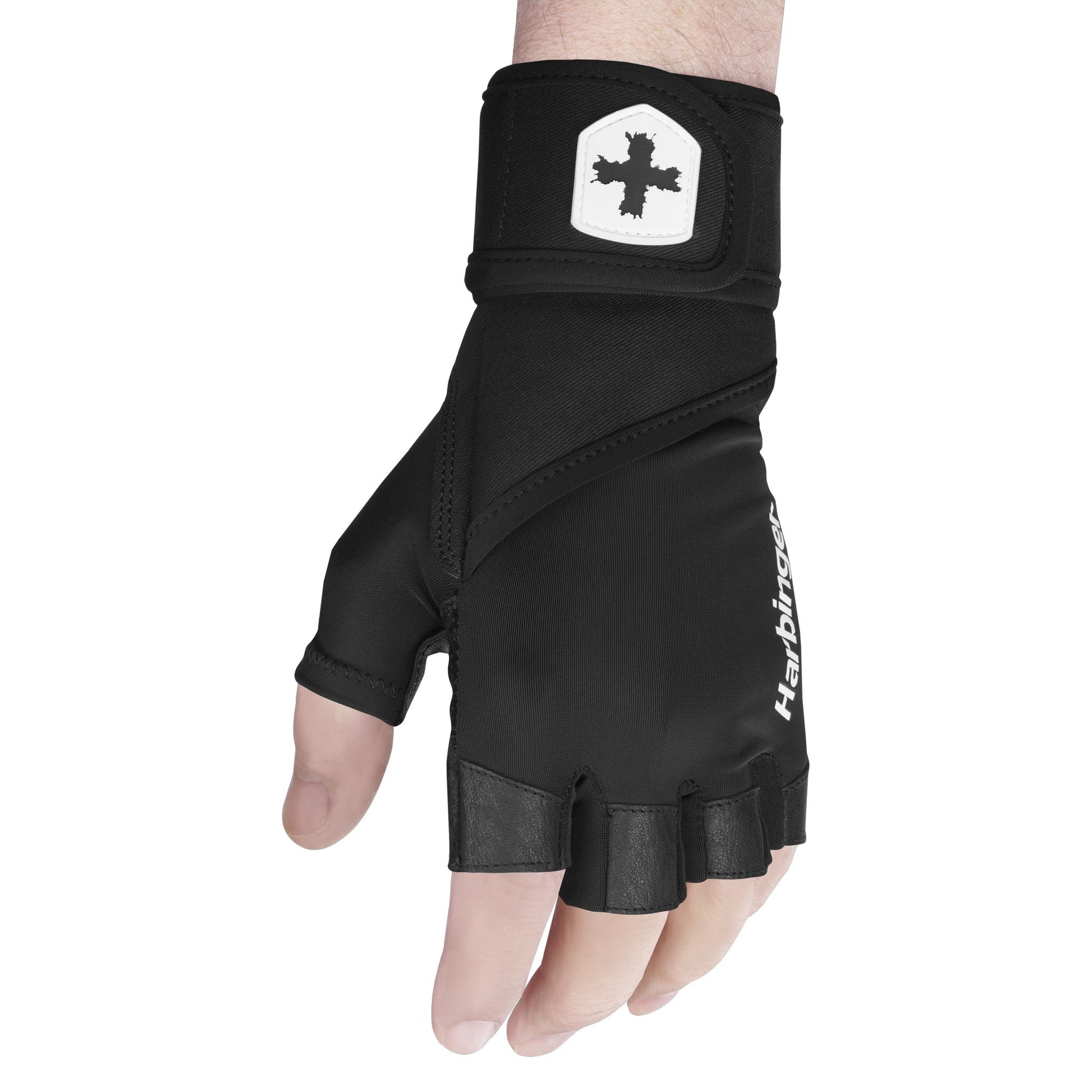
Harbinger Pro Wristwrap Weightlifting Gloves
Training gloves that aim to add palm coverage and include a wrist-wrap design on the linked product.
Best suited for: Lifters who prefer cushioning or hand coverage and an all-in-one glove style.
Before buying: Gloves do not attach the bar to your hands like straps. Fit and hand feel vary between users.
Paid link · As an Amazon Associate I earn from qualifying purchases.
View on Amazon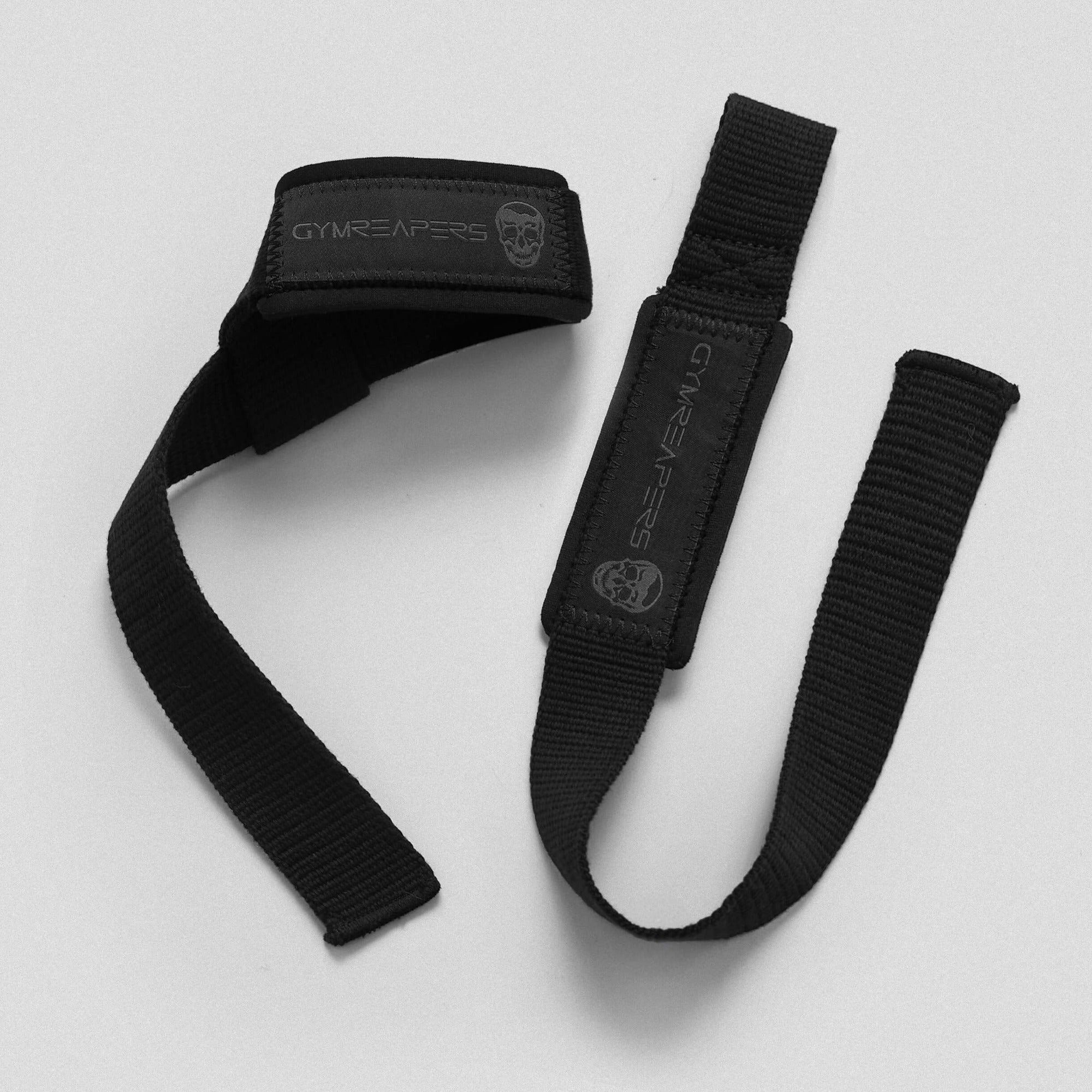
Gymreapers Padded Lifting Wrist Straps
Padded lifting straps with cotton webbing designed to assist bar grip during repeated heavy pulls, not the lifting grips initially expected.
Best suited for: Lifters looking for a traditional padded strap option for deadlifts and pulling workouts.
Before buying: This is a lifting strap listing, not a grip-flap product; assess stitching, padding and fit.
Paid link · As an Amazon Associate I earn from qualifying purchases.
View on AmazonWhich accessory should you actually buy?
Try a lifting strap or grip aid
For heavy deadlifts and rows, a strap may let you complete intended pulling work before your grip gives out. Practice releasing it safely.
Consider gloves
If bare equipment bothers your hands, gloves may improve comfort. They are not guaranteed to improve your strength or grip.
If the issue is wrist positioning or discomfort: wrist wraps are a different category. Persistent wrist pain deserves assessment rather than simply adding tighter equipment. You can also choose to lift without accessories and deliberately train grip strength when it is relevant to your goals.
How to use lifting straps responsibly
- Start with a weight you can control while learning to wrap the strap.
- Keep your wrist and grip in an appropriate position; never use the accessory to justify uncontrolled loading.
- Practice releasing the bar before heavier sets.
- Reserve assisted sets for exercises where that makes sense, while continuing some unassisted grip work if grip strength matters to you.
- Check lifting rules before using straps in competition or organized training.
Frequently asked questions
Do lifting straps weaken your grip?
They reduce some demands on your grip during the sets where you use them. This does not prove they permanently weaken grip, but if grip development is a goal, include appropriate unassisted holds and carries.
Are gloves better for deadlifts?
For grip assistance during heavy pulls, straps are generally designed for that purpose; gloves primarily change hand coverage and comfort.
Are wrist wraps the same as lifting straps?
No. Wrist wraps support the wrist. Lifting straps help secure a bar or handle in pulling exercises. Their names are often confused in product listings.
Can I use straps for every exercise?
There is usually no need. Choose them selectively for appropriate pulling movements, and consider safe release and competition restrictions.
Research and references
- Jukic et al., 2021 — Ergogenic effects of lifting straps on deadlift performance
- Trahey et al., 2023 — The effect of lifting straps on deadlift performance in females
- 2026 narrative review — Are lifting straps a game changer for resistance training?
Restore Fit provides educational information, not individualized clinical or training advice. Product descriptions follow available listings and are not hands-on evaluations. Images in the product comparison are category illustrations rather than official product photographs. Check exact product fit and labeling before purchase.