 RESTORE FIT
Creatine and pre-workout are often displayed side by side, but they are not interchangeable. One is a well-studied supplement for supporting repeated high-intensity exercise over time. The other is a category of formulas designed primarily to affect how you feel or perform around a workout.
What is creatine?
Creatine is a compound your body makes and also obtains from some foods. Inside muscles, phosphocreatine helps rapidly replenish ATP, a source of energy for brief, intense efforts. Creatine monohydrate supplementation can increase muscular creatine stores, supporting performance in repeated high-intensity activity and potentially training gains over time. It is not a stimulant or an instant source of energy you feel like caffeine. [1–2]
Research commonly supports maintenance intakes around 3–5 grams per day for many adults, though individual circumstances differ. You can generally take it at a convenient time, including on rest days; consistency matters more than chasing an exact pre-workout window. A loading phase is optional, not required. It can increase body weight through water retention, which is different from instant fat gain.
What is pre-workout?
Pre-workout is a product category, not one standardized supplement. Formulas may contain caffeine, beta-alanine, citrulline, creatine, flavors, sweeteners and other ingredients. Different labels can vary widely, even across products from the same brand.
Caffeine is one of the more extensively studied ingredients for exercise performance. It can reduce perceived fatigue and improve some types of performance in certain people. But it can also cause jitteriness, rapid heartbeat, anxiety or disrupted sleep, especially with high total intake or late-day training. Other ingredients have different evidence, dosage needs and possible side effects. [2]
Creatine vs. pre-workout: the real differences
| Factor | Creatine monohydrate | Typical caffeinated pre-workout |
|---|---|---|
| Main role | Supports repeated high-intensity training capacity | May boost alertness and certain exercise performance outcomes |
| When used | Regularly over time | Often before selected workouts |
| Stimulant? | No | Often contains caffeine |
| Immediate feeling | Not usually noticeable | Some people notice increased alertness |
| Rest days | Often continued daily | Usually unnecessary |
| Key limitation | Not a substitute for training | Variable ingredients, costs and side effects |
Do you need to take both?
No. If your goal is muscle and strength development, regular resistance training, sufficient food and protein, and recovery come first. Creatine may be a useful optional addition for healthy adults who perform repeated high-intensity exercise. A pre-workout is also optional: you might prefer coffee, a snack, or simply starting the workout without a stimulant.
If you choose to combine supplements, read every Supplement Facts panel. Some pre-workouts already contain creatine, while others do not. Combining a separate creatine powder with a creatine-containing pre-workout without checking amounts can lead to unnecessary duplicate intake. Add up caffeine from coffee, energy drinks and supplements, not just the scoop in front of you. Avoid stacking multiple stimulant products.
Five supplements worth comparing
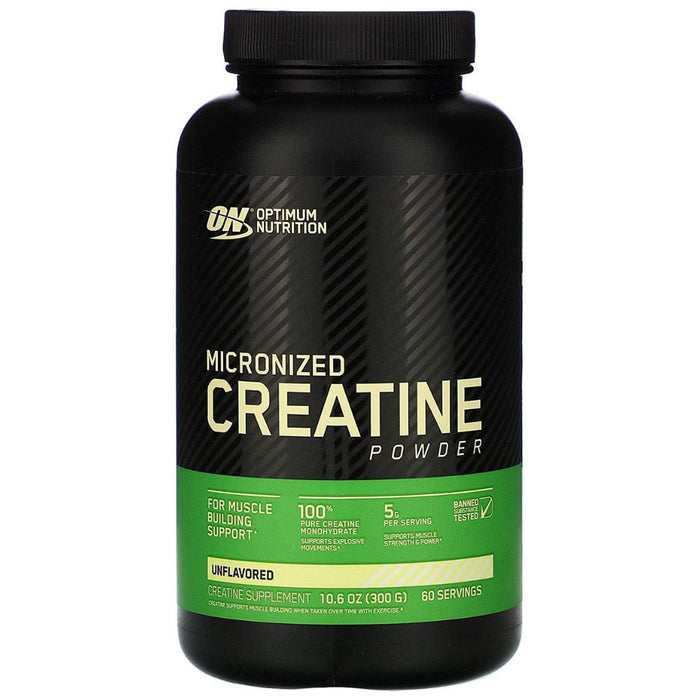
Optimum Nutrition Micronized Creatine
A straightforward unflavored creatine monohydrate product for people who want to supplement consistently without adding caffeine or extra pre-workout ingredients.
Worth considering if: People who prefer a basic creatine powder.
What to check: Check serving weight, ingredient list, and whether it fits your daily routine.
Paid link · As an Amazon Associate I earn from qualifying purchases.
View on Amazon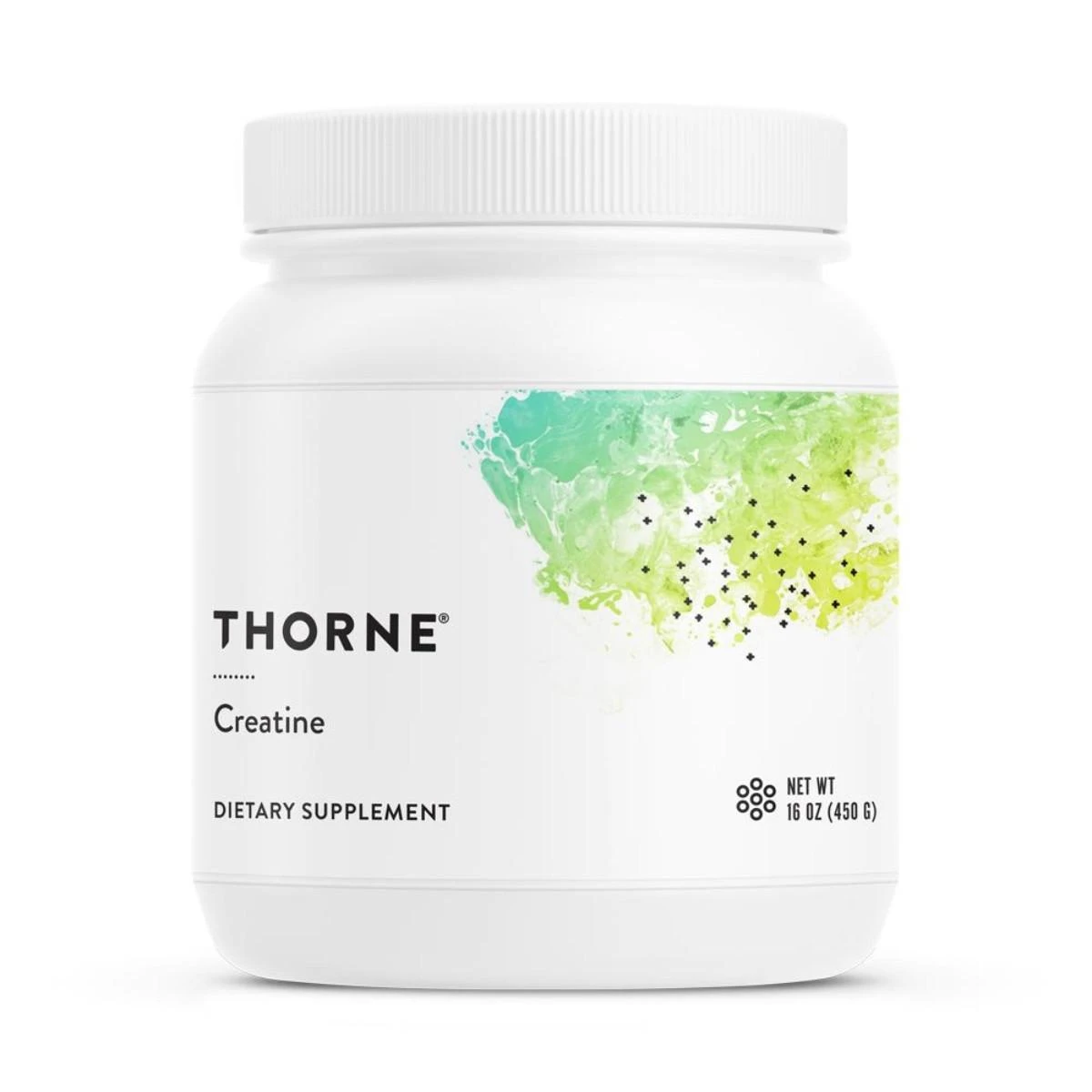
Thorne Creatine
A creatine monohydrate option positioned for consumers looking for a simple creatine supplement rather than an immediate workout stimulant.
Worth considering if: People who prioritize a single active ingredient.
What to check: Confirm exact variant, serving size, and any quality-testing claims on the product listing.
Paid link · As an Amazon Associate I earn from qualifying purchases.
View on Amazon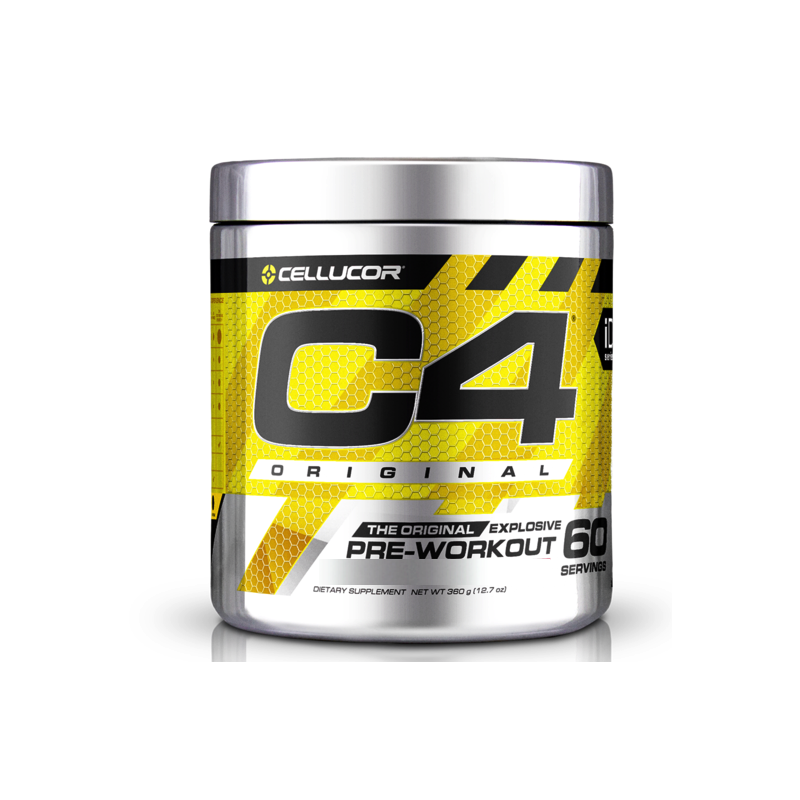
Cellucor C4 Original
A flavored, multi-ingredient pre-workout intended for use before exercise. Depending on the version, it contains stimulant and other exercise-focused ingredients.
Worth considering if: People who want an optional pre-session energy supplement.
What to check: Check the specific flavor and formula for caffeine quantity, ingredients, and tolerability.
Paid link · As an Amazon Associate I earn from qualifying purchases.
View on Amazon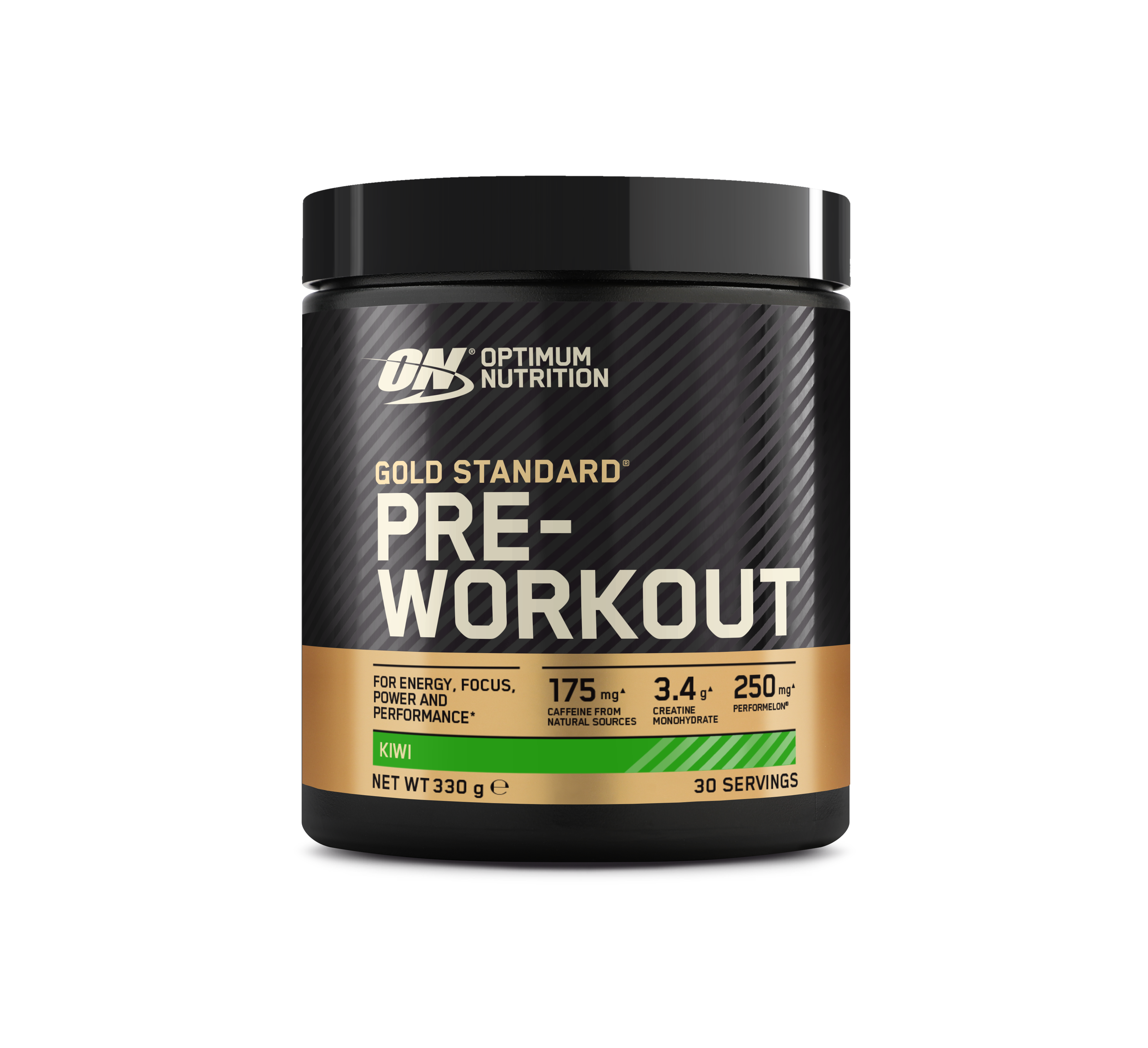
Optimum Nutrition Gold Standard Pre-Workout
A pre-workout formula with caffeine and other ingredients; some versions include creatine. This matters if you are also taking a separate creatine powder.
Worth considering if: People who want to compare a combined product rather than purchase ingredients separately.
What to check: Read the actual Supplement Facts panel, especially caffeine and creatine per serving; labels vary by market and version.
Paid link · As an Amazon Associate I earn from qualifying purchases.
View on Amazon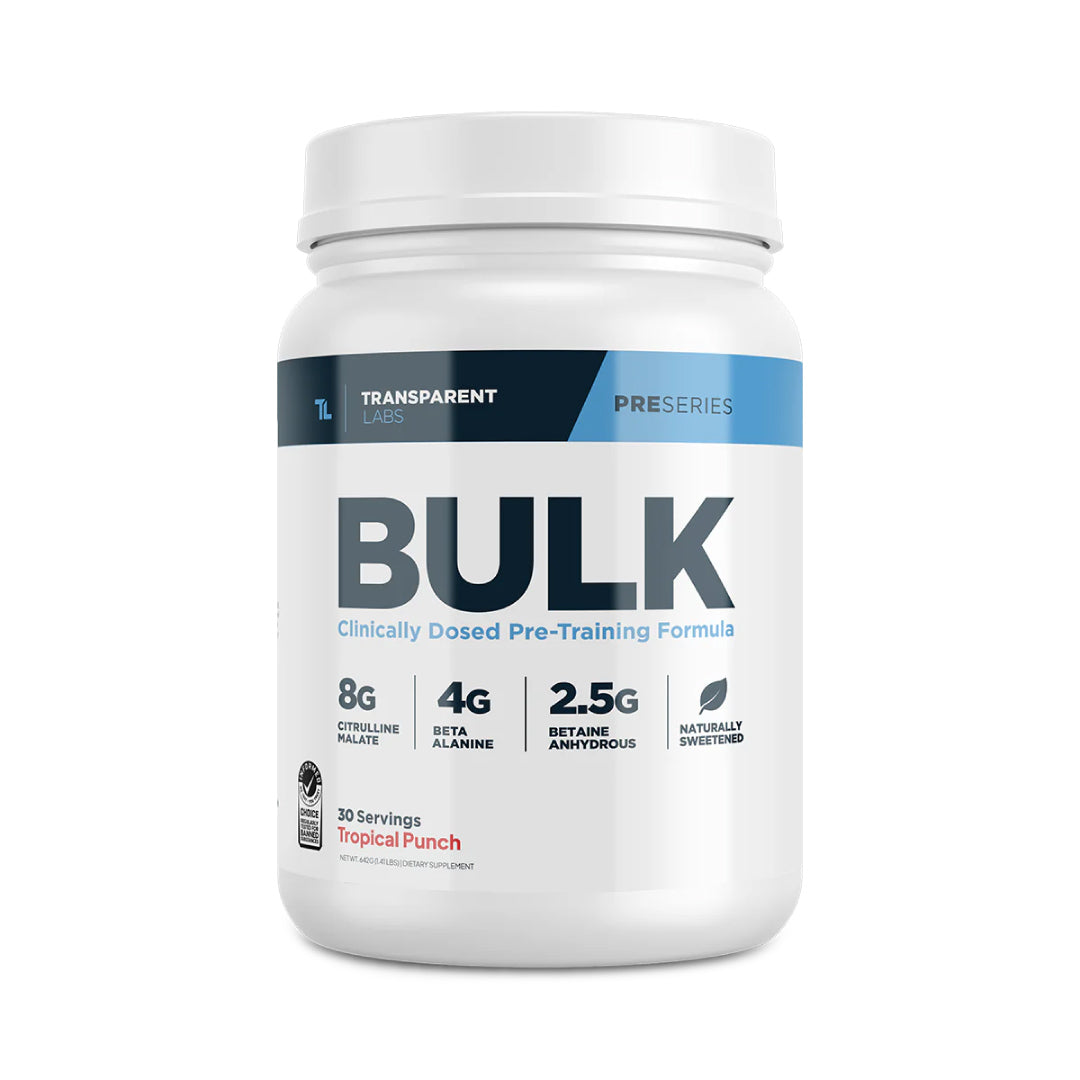
Transparent Labs BULK Pre-Workout
A multi-ingredient pre-workout aimed at people who prefer a more comprehensive formula rather than using caffeine alone.
Worth considering if: Experienced consumers comfortable comparing ingredient labels.
What to check: Confirm the precise version, flavor, caffeine amount and serving size; do not assume every BULK formula is identical.
Paid link · As an Amazon Associate I earn from qualifying purchases.
View on AmazonWhich is the better choice for your routine?
Consider creatine first
If you want an evidence-backed, non-stimulant supplement that fits repeated high-intensity exercise, plain creatine monohydrate is typically a simpler choice than a multi-ingredient pre-workout.
Consider whether you need caffeine
If you sometimes need an energy boost, a caffeinated pre-workout may help—but weigh sleep timing, tolerance and total daily caffeine. A pre-workout is not essential for progress.
Safety: what matters before taking supplements?
More is not automatically better. Some people experience gastrointestinal discomfort with creatine, while caffeine-heavy formulas can affect sleep, anxiety and heart rate. Product blends may contain several ingredients that interact with medications or pre-existing conditions. People who are pregnant or breastfeeding, younger than 18, have kidney disease, cardiovascular conditions, caffeine sensitivity, or take relevant medications should consult an appropriate clinician before use. Avoid combining stimulants and do not exceed label instructions. [2]
For athletes who undergo drug testing, selecting products with credible independent certification can help reduce—not eliminate—the risk of contamination. Follow applicable sport-specific rules.
Frequently asked questions
Does pre-workout contain creatine?
Some formulations do, including certain versions of Optimum Nutrition Gold Standard Pre-Workout. Others do not. Always check the specific label instead of assuming the ingredient is included.
Can I take creatine without pre-workout?
Yes. Creatine does not require caffeine or a pre-workout blend to be useful.
Should I take creatine only on workout days?
Consistent daily intake is a common approach because the goal is to build and maintain muscular creatine stores over time.
Can pre-workout hurt sleep?
Caffeine can disrupt sleep, particularly if consumed later in the day or by people who are sensitive to it. Protecting sleep may be more valuable than a temporary energy boost.
Research & sources
- International Society of Sports Nutrition — Position stand: safety and efficacy of creatine supplementation
- NIH Office of Dietary Supplements — Exercise and Athletic Performance
- Optimum Nutrition — Gold Standard Pre-Workout ingredient information (regional formula; check local listing)
Restore Fit provides general fitness education, not individualized medical advice. No sponsored manufacturer relationship or hands-on product testing is claimed. Product features, sizes, formulas and prices can change. Read the current label and retailer listing before buying.