 RESTORE FIT
Creatine is one of the most studied supplements in sports nutrition. It appears in countless training routines, but the internet is still full of conflicting claims: Does it really build muscle? Is water retention bad? Can it damage your kidneys?
What is creatine monohydrate?
Creatine is naturally produced in the body and obtained in smaller amounts from foods such as meat and fish. Much of it is stored in muscle, where the phosphocreatine system helps regenerate ATP—the molecule cells use for energy—during short, intense efforts. Creatine is not a stimulant, and most people will not feel a caffeine-like immediate boost.
Creatine monohydrate is the most extensively studied form. There is no convincing evidence that alternative, generally more expensive forms produce better performance results for most users. [1]
Three benefits supported by research
Strength and power
Creatine can help with repeated short bursts of intense activity, such as weightlifting, sprinting and explosive exercise. Results vary from person to person. [1, 2]
More productive training
Better performance in demanding sets may help support gains in lean mass and strength over time when paired with progressive resistance training. Early scale changes may partly reflect water inside muscle.
Repeated-effort capacity
Creatine may help preserve output across repeated challenging efforts. Evidence is less consistent for steady-state endurance exercise; it is not a general fat-loss or energy-boosting supplement.
Side effects and common concerns
Water retention and weight gain
Creatine often increases water stored inside muscle. The scale can move upward, especially during the first few weeks. That increase is not the same as gaining body fat. Watch your lifting performance, body-composition trend and overall progress rather than one weigh-in.
Digestive discomfort
Nausea, bloating or loose stools can occur, particularly with large doses taken at once. Taking a conventional smaller daily dose rather than a loading phase may help people who are sensitive.
What about kidney health?
Studies in healthy adults generally have not shown consistent evidence of kidney injury from recommended creatine use. Importantly, creatine may raise serum creatinine, a laboratory marker used in some kidney estimates, even when this does not reflect kidney damage. A 2025 meta-analysis found no significant overall change in glomerular filtration rate, while more recent research highlights the distinction between creatinine-based estimates and direct measurements. [3]
That is not a guarantee of safety for everyone. People with kidney disease, abnormal kidney tests, relevant medication use, or other medical conditions should consult their clinician before supplementing. Tell the clinician if you use creatine when discussing blood tests.
Does creatine cause hair loss?
A 2025 randomized trial followed resistance-trained men for 12 weeks and found no significant between-group differences in DHT or measured hair-health outcomes. This is reassuring, but a relatively small, short study cannot establish every possible long-term outcome. [4]
How much creatine should you take?
Two common approaches have been studied. No loading: take about 3–5 g daily and let muscle stores rise gradually over several weeks. Optional loading: about 20 g each day split into four smaller doses for 5–7 days, followed by 3–5 g daily. Loading works faster, but is not required. [1, 2]
You can usually mix unflavored powder into water, juice or a smoothie. Follow the actual product label and use an accurate measuring device. If you are pregnant, breastfeeding, under 18, or managing a medical condition, seek individualized guidance rather than copying an adult training protocol.
Five creatine monohydrate products to compare
Most of the practical differences are not in muscle-building chemistry. Look at ingredient transparency, serving amount, packaging, verified quality programs, availability, and total cost per gram. The five products below are examples to compare—not a ranking of proven workout results.
Recommendations reflect published product information and independent research, not hands-on testing. Product details may change; verify information with the retailer.

Optimum Nutrition Micronized Creatine Powder
A straightforward micronized, unflavored creatine monohydrate option. Micronization affects particle size and mixing feel; it is not proof of superior muscle growth.
Worth considering if: People who want an established sports-nutrition brand and a simple 5-gram serving.
What to consider: Check the price per gram and compare the exact container size.
Paid link
Explore product details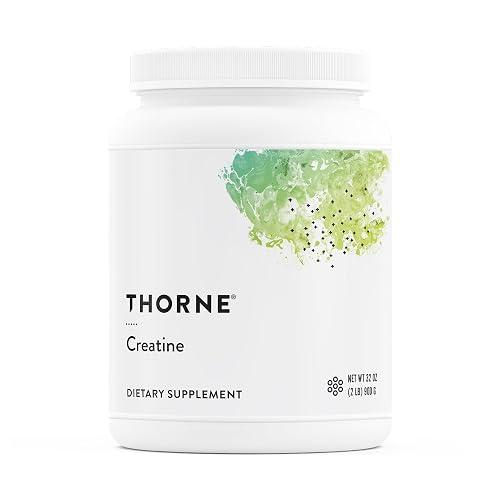
Thorne Creatine — Unflavored
Thorne lists 5 g of creatine monohydrate per scoop and NSF Certified for Sport status. Certification may matter for tested athletes, but does not mean larger strength gains than comparable creatine.
Worth considering if: Athletes who prioritize verified sport certification and independent batch controls.
What to consider: Often more expensive; evaluate the certification benefit against the premium.
Paid link
Explore product details
Nutricost Creatine Monohydrate
Nutricost offers a micronized, unflavored creatine monohydrate powder. The labeled 500-gram container provides 100 servings at 5 g each.
Worth considering if: Someone comparing no-frills options and their cost per serving.
What to consider: Verify the Amazon variant, final price, and relevant testing documentation.
Paid link
Explore product details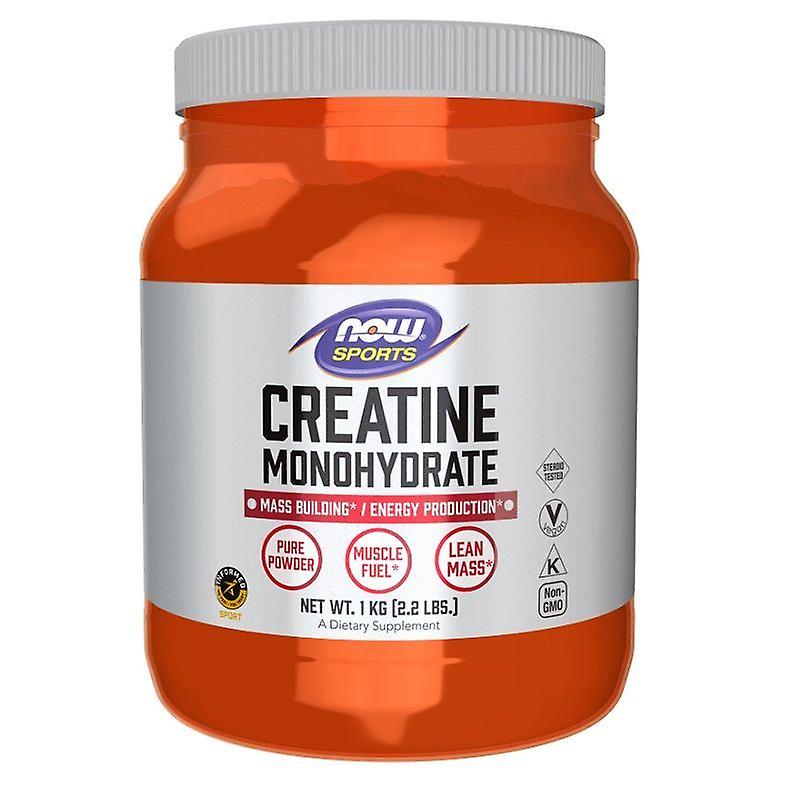
NOW Sports Creatine Monohydrate
NOW Sports states approximately 4.2 g of creatine monohydrate per labeled serving in the 2.2-pound micronized powder. Its ingredient list indicates no other ingredients.
Worth considering if: People who want an established manufacturer and a larger supply.
What to consider: Do not compare one NOW scoop directly with 5-gram scoops from other brands; compare equal grams of creatine.
Paid link
Explore product details
BulkSupplements Creatine Monohydrate
A simple unflavored creatine monohydrate offered in flexible package sizes, including larger pouches.
Worth considering if: Buyers comparing package sizes and per-gram cost.
What to consider: Resealable pouches may be less convenient than tubs; verify the precise weight selected.
Paid link
Explore product detailsWhich creatine should you actually buy?
A third-party sports certification can be particularly useful to athletes subject to substance testing. Otherwise, a plain, accurately labeled creatine monohydrate powder at a sensible per-gram price may be all you need. More expensive packaging alone is not evidence of better results.
If you already have a reliable product, there is no research-based reason to continually switch brands. Spend your attention on your training consistency, nutrition, sleep and whether supplementation is useful for your goals.
Frequently asked questions
Do I take creatine on rest days?
Daily maintenance is common because the goal is to maintain muscle creatine stores over time, not to create an immediate workout buzz.
Do I need to cycle creatine?
Routine cycling has not been established as necessary for healthy adults taking conventional maintenance doses.
Does creatine burn fat?
Creatine is not a fat burner. It may support resistance-training performance while someone pursues a body-composition goal, but energy balance and consistent habits remain central to fat loss.
Can beginners use it?
Some healthy adult beginners may benefit, but supplements are optional. A manageable training routine, adequate protein and recovery are higher priorities.
The Restore Fit verdict
Creatine monohydrate is a well-supported, optional supplement for strength and repeated high-intensity exercise. Typical daily doses are straightforward, a loading phase is optional, and side effects are usually manageable in otherwise healthy adults. No supplement replaces the basics.
Want to build the nutrition side of your routine too? Read our comparison of whey concentrate versus isolate, or explore Restore Fit's free training and nutrition tools.
References
- NIH Office of Dietary Supplements — Exercise and Athletic Performance, creatine section
- Kreider et al. (2017) — ISSN position stand on creatine supplementation
- Naeini et al. (2025) — Creatine and kidney function, systematic review and meta-analysis; additional context: newer kidney-health systematic review
- Lak et al. (2025) — Randomized trial on creatine and hair-related measures
- Product labels and certifications: NSF Certified for Sport — Thorne Creatine; NOW Sports ingredient and serving information; Thorne 180-serving product information.
This article is for general education only and is not medical advice. Images show representative brand packaging and may depict a different size or updated label. Product photography is displayed from third-party sources and should be replaced with licensed or Amazon-approved imagery where required. Affiliate URLs were supplied by the site owner and retained without shortening.