 RESTORE FIT
Whey and plant-based protein powders can both fit into a serious strength-training routine. The better question is not which container promises faster gains—it is whether the powder helps you meet your daily protein needs, agrees with your digestion, and fits your budget.
What the research actually says about muscle growth
Muscle growth is driven mainly by progressive resistance training, sufficient energy and protein, and recovery. Protein provides the amino acids used to remodel muscle tissue. An influential meta-analysis of resistance-training studies found that protein supplementation can contribute to muscle and strength gains, with average benefits tapering above approximately 1.6 grams of total dietary protein per kilogram of body weight per day. That figure is a population-level estimate, not a strict maximum for every person. [1]
In a 2026 systematic review and meta-analysis of untrained adults, whey and the studied plant proteins did not show a statistically significant difference in lean-mass outcomes when paired with resistance training. However, the analysis included only five studies, so it cannot prove the sources are identical in every setting. A wider 2026 review of longer-term trials also found no consistent superiority of animal-derived protein for several body-composition and strength outcomes when protein intake was sufficient. [2–3]
The takeaway: Both categories can work. Evaluate the dose of protein you receive, the rest of your diet, how reliably you train, and the particular product label rather than assuming the word whey or plant determines your results.
Whey protein vs. plant protein: the differences that matter
Whey protein
Whey is a complete dairy protein and generally rich in essential amino acids, including leucine. Whey concentrate can contain more lactose and fat than isolates; blends mix different whey forms. Whey isolate is more processed to concentrate protein and usually reduce lactose, but it is still a milk protein.
Advantages: Usually mixes smoothly, convenient protein per serving, and extensively studied alongside resistance training.
Trade-offs: Not suitable for milk allergy; some products contain soy lecithin, sweeteners or flavors. Isolates often cost more.
Plant-based protein
Pea, soy and blended plant proteins can contribute essential amino acids. A blend of protein sources may offer a different amino-acid distribution from a single-source pea product; food eaten throughout the day also contributes to overall amino-acid intake.
Advantages: Appropriate for vegan diets and people avoiding dairy; unsweetened choices work well in recipes.
Trade-offs: Texture and digestibility vary, and some formulas contain more fillers or fiber. Compare protein per serving rather than scoop size alone.
Whey concentrate, isolate and blends: avoid paying for the wrong claim
Whey concentrate contains protein alongside variable amounts of lactose, fat and other milk components. Whey isolate is more protein-dense and typically lower in lactose; the extra filtration does not prove better muscle growth if daily protein intake and essential amino-acid needs are already met. Whey blends use multiple whey forms and can be a cost-effective everyday option. The exact ingredients and macronutrients depend on the specific label.
Isolate may be more comfortable for some people who are sensitive to lactose, but lactose intolerance and milk-protein allergy are not the same thing. People with a true milk allergy should not assume any form of whey is safe. Isopure and Naked Whey ISO are both isolates; Optimum Nutrition Gold Standard is a whey blend with isolate as a leading ingredient. [4–6]
What about leucine and amino-acid quality?
Leucine helps signal muscle protein synthesis, but it is only one part of the process: muscles still need the full set of essential amino acids and sufficient overall energy and protein. Whey often has an advantage in leucine density and digestibility per gram. That difference can matter more when protein portions are small, diets are limited, or someone has higher protein needs. It does not mean that plant protein cannot support meaningful training adaptations. [2–3]
If you choose a plant powder, pay attention to the grams of actual protein per serving and how it contributes to your overall daily intake. It can be practical to use a generous serving of a well-formulated plant protein rather than trying to chase a dramatic "anabolic" ingredient claim.
How much protein do you need—and when should you take it?
For many adults who lift regularly, a daily intake near 1.4–2.0 g/kg of body weight is a reasonable starting range used in sports nutrition guidance, with individual needs differing by age, energy intake, training and health. Use regular meals as the foundation. A protein powder is simply an easy way to close a gap, not a required post-workout ritual. [1, 7]
As an example, an adult weighing 80 kg might aim for approximately 112–160 g across the day. If breakfast already supplies 25 g and lunch supplies 35 g, an extra 25 g shake could be convenient—but a protein-rich meal can fill the same gap. A generally comfortable approach is to distribute protein among meals rather than obsess over one narrow "anabolic window."
How to compare protein powders without being misled
Protein, not powder weight
Compare grams of protein per serving and the serving size in grams. One brand may use two scoops, another one. A container with more servings is not necessarily a better value if each serving is smaller.
Total cost and tolerance
Calculate cost per 25 g of protein or per 100 g of protein—not just tub price. Check milk, soy, pea, sweeteners, fiber, and any other ingredient your digestion or dietary requirements make important.
You can also look for credible third-party quality programs where available. Manufacturer marketing, such as "grass fed" or "clean," does not by itself demonstrate better muscle growth. Never treat Amazon star ratings as clinical evidence.
Five protein powders worth comparing
These products cover three whey approaches and two plant approaches. They are examples for different needs, not a ranking of proven muscle-growth outcomes. Product ingredients, label sizes and availability can change; always check the selected Amazon variation.
Recommendations reflect published product information and independent research, not hands-on testing. Product details may change; verify information with the retailer.
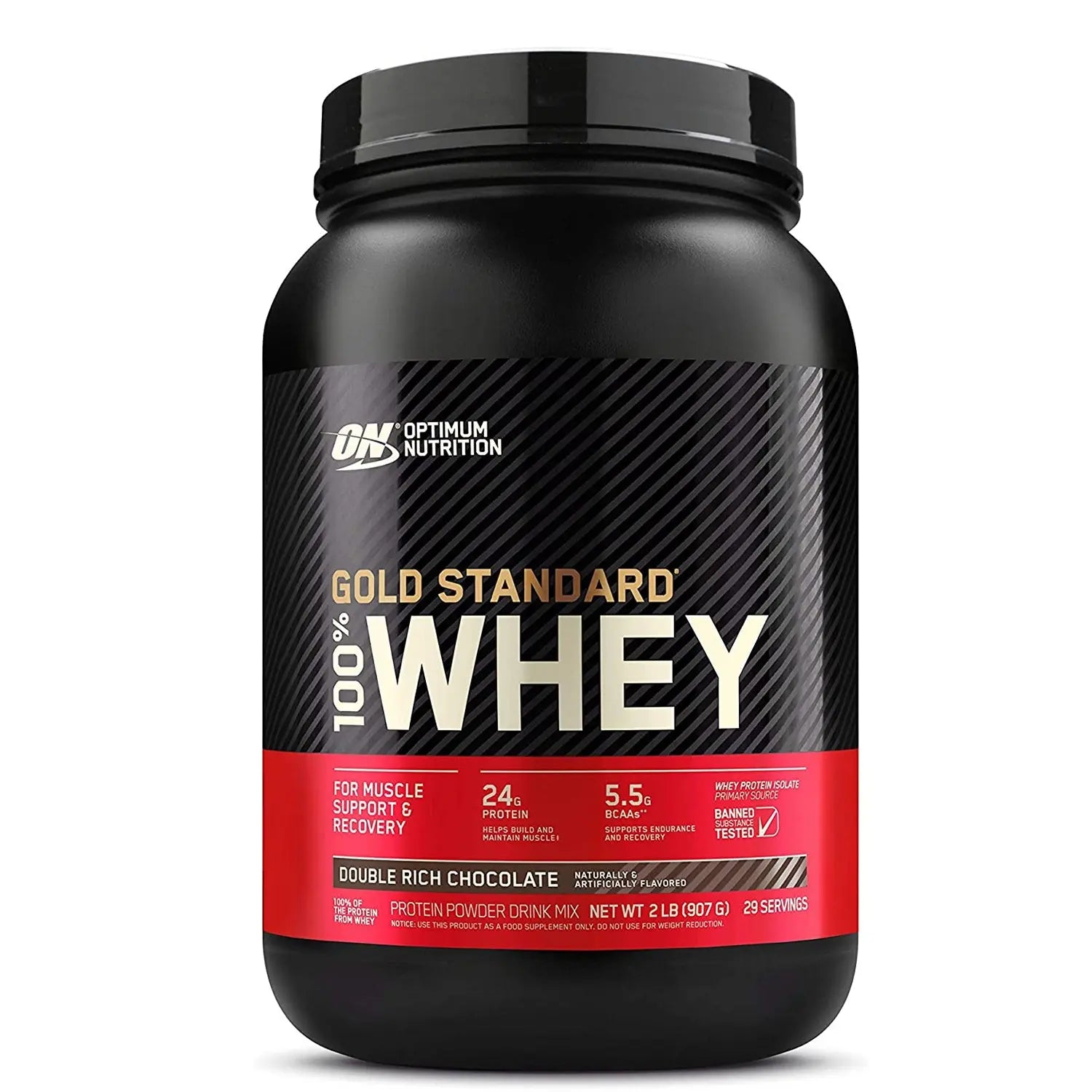
Optimum Nutrition Gold Standard 100% Whey — Double Rich Chocolate
A familiar flavored whey blend that uses whey isolate as the leading protein ingredient alongside other whey forms. It offers a full essential-amino-acid profile and is convenient when you want a ready-to-drink chocolate shake.
Worth considering if: People who prefer flavored whey and want a familiar option for daily protein gaps.
What to consider: Contains milk and may include soy ingredients. Sweeteners and flavoring make it a different experience from plain, unflavored powder; check the chosen size and allergens.
Paid link
Explore product details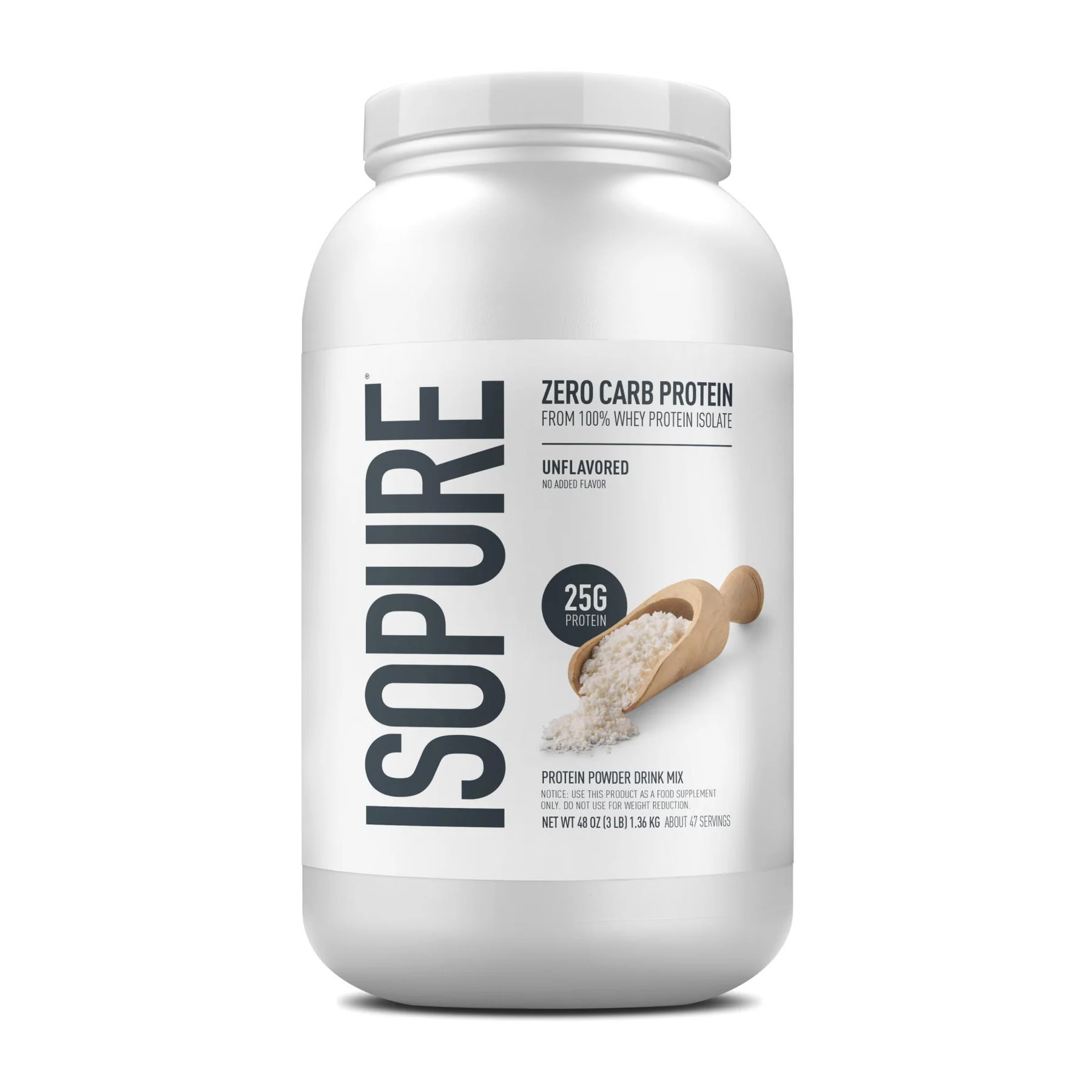
Isopure Zero Carb Unflavored Whey Protein Isolate
An unflavored whey isolate designed to add protein to water, smoothies or foods without a strong added taste. A typical label lists very little carbohydrate and fat.
Worth considering if: Someone who wants a plain dairy-based powder and prefers to choose their own smoothie flavor.
What to consider: It is still milk-derived and some versions list soy lecithin; isolate does not make it appropriate for a milk-protein allergy. Check the exact label.
Paid link
Explore product details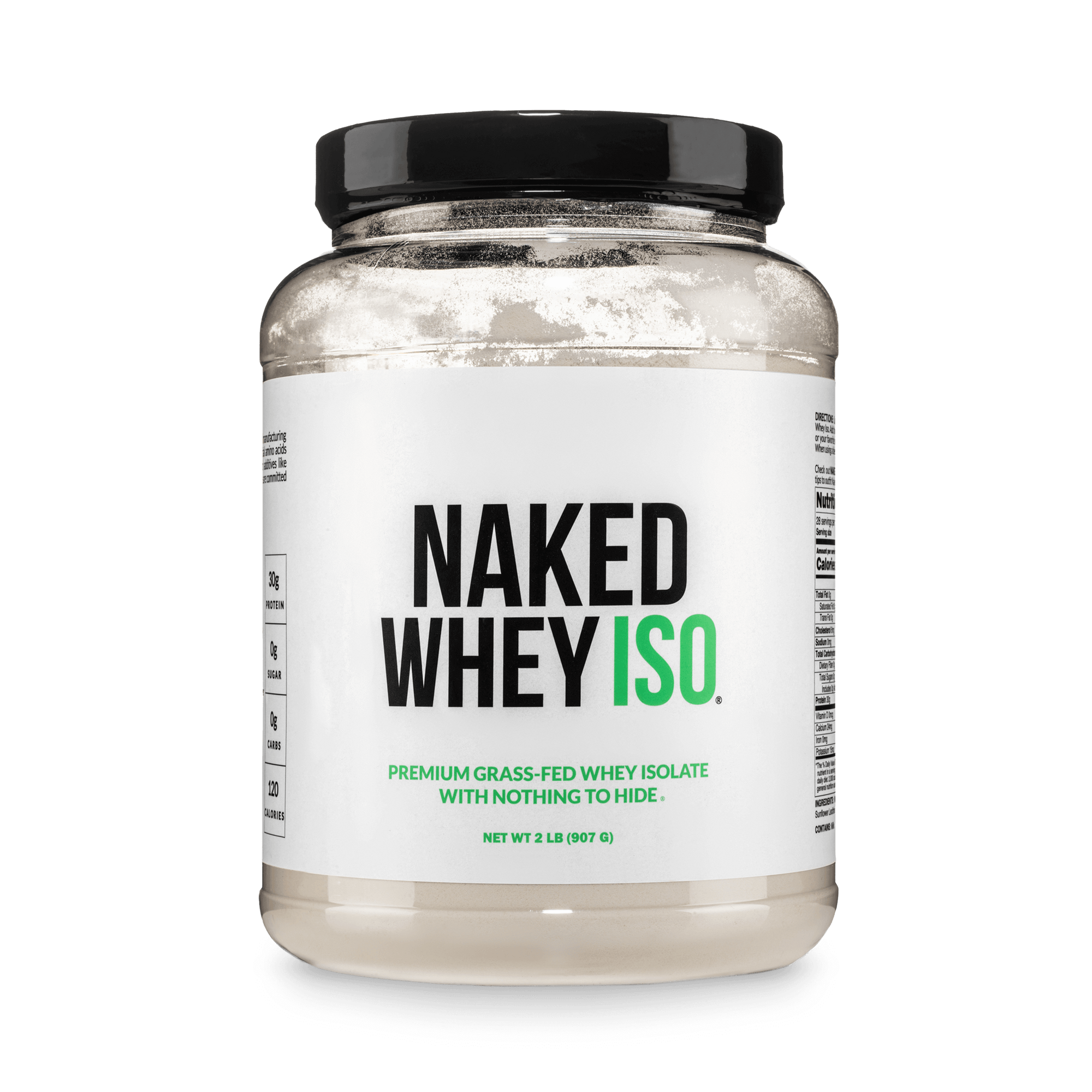
Naked Nutrition Naked Whey Isolate — Unflavored
The linked product is specifically Naked Whey Isolate, not the standard Naked Whey concentrate. Its unflavored formula lists whey protein isolate and sunflower lecithin for mixing.
Worth considering if: People comparing short ingredient lists or who prefer low-lactose whey isolate over a whey blend.
What to consider: Still a dairy product and generally costs more than basic whey. The two-scoop labeled serving should not be compared with a one-scoop serving without adjusting the math.
Paid link
Explore product details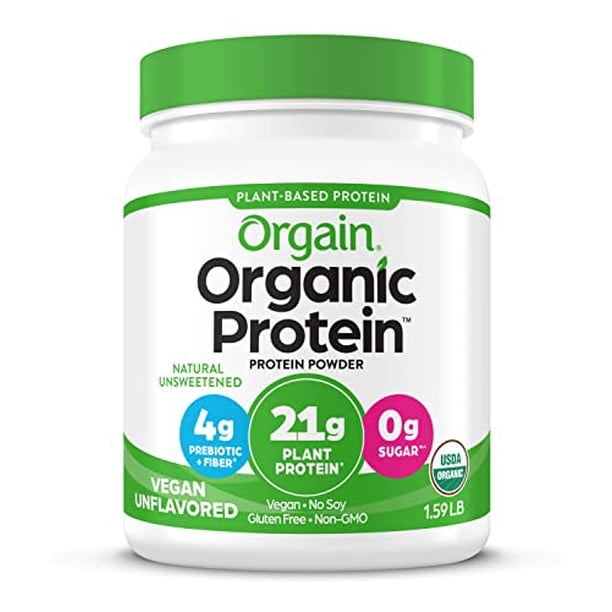
Orgain Organic Plant-Based Protein — Natural Unsweetened
A dairy-free, unsweetened organic protein blend using multiple plant sources, including pea and brown rice. It can work in a fruit smoothie without adding a vanilla or chocolate flavor.
Worth considering if: People avoiding dairy or animal protein who prefer an unsweetened plant blend.
What to consider: Its label includes additional ingredients and fiber; check texture, digestive tolerance and the precise unsweetened variation. Do not confuse it with Orgain flavored products.
Paid link
Explore product details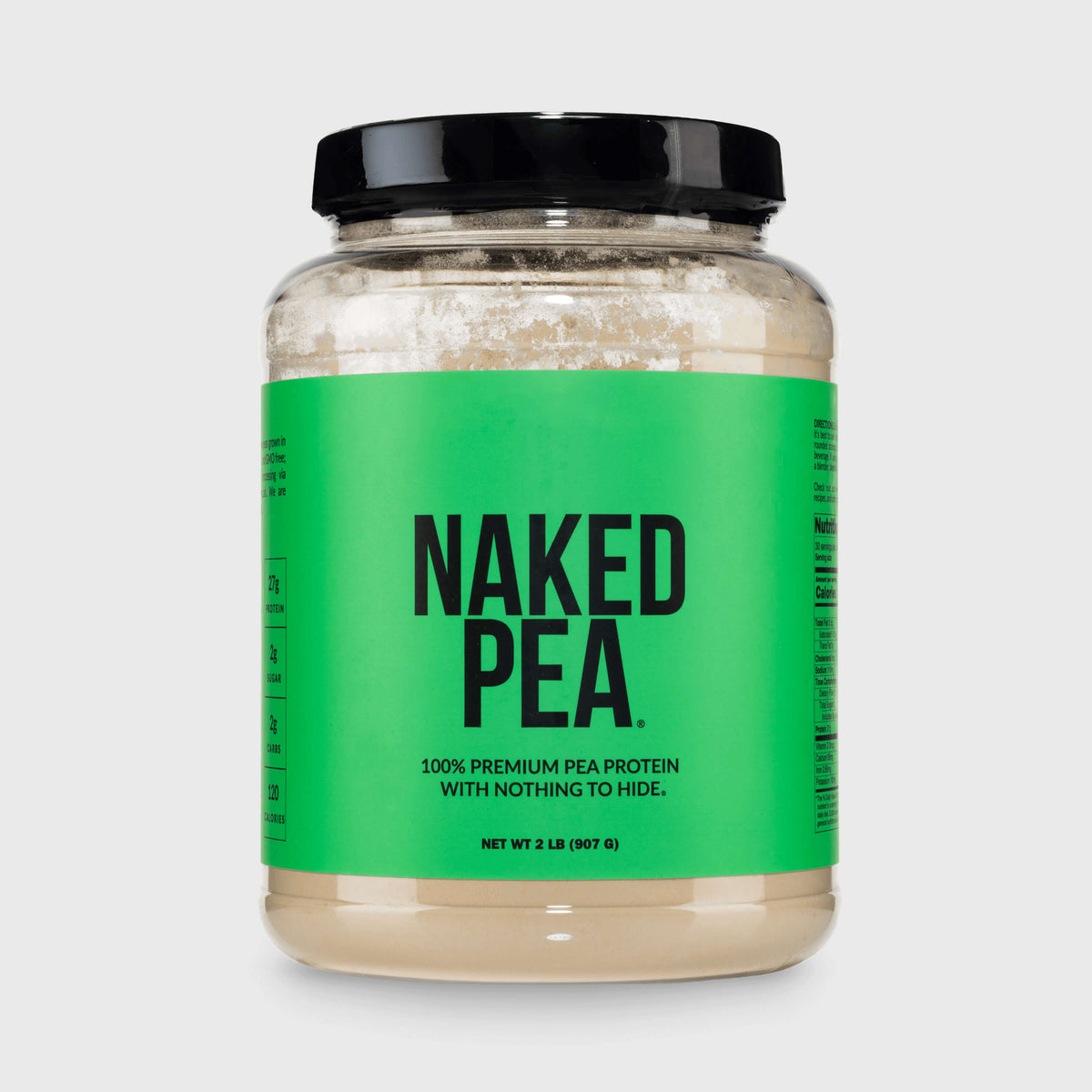
Naked Nutrition Naked Pea Protein — Unflavored
An unflavored powder made from yellow pea protein, with a single primary ingredient. It is a straightforward dairy-free alternative for someone who wants control over flavor and mix-ins.
Worth considering if: Vegan eaters and people who want a simple, single-source, unflavored plant protein.
What to consider: Pea protein can taste more earthy and have a different texture than whey. Some people prefer blending it into smoothies; compare the protein amount and serving size, not just container price.
Paid link
Explore product detailsWhich one should you choose?
If you eat dairy
Start by comparing the price, taste and protein per serving of a basic whey blend. Consider an unflavored isolate if you prefer fewer added flavors or have difficulty with higher-lactose products. You do not need the most expensive powder to build muscle.
If you avoid dairy
A quality plant blend or pea powder can work. Orgain’s natural unsweetened blend is a different recipe from Naked Pea’s single-source powder. Pick the taste, ingredient list and serving size that make daily use realistic.
For anyone already meeting their protein target with foods they enjoy, the best-value purchase may be no supplement at all. Training consistency, adequate energy, total dietary protein and sleep carry more weight than a premium label.
Frequently asked questions
Is whey always better for muscle growth than pea protein?
No. Whey is typically more leucine-dense and has extensive study behind it, but research does not establish that it always produces more long-term muscle growth when protein intake and resistance training are comparable. The available trials also have limitations. [2–3]
Is plant protein incomplete?
The term is oversimplified. Plant foods vary in essential amino-acid proportions, but pea and plant blends still provide meaningful protein and can contribute to adequate essential-amino-acid intake across a varied diet. Total intake, dose and variety matter more than labeling every plant source "incomplete."
Does whey isolate have zero lactose?
Not automatically. It usually contains less lactose than concentrate, but the exact residual amount depends on the product and process. Check the label and remember that low-lactose dairy protein is not safe for milk allergy.
Should I take protein powder immediately after every workout?
Not necessarily. Consistently meeting your daily protein needs is more important than rushing to drink a shake in a few minutes. Taking protein around training can be convenient, but an ordinary meal also works.
Explore more Restore Fit guides
Build context before making a purchase: How Much Protein Do You Need to Build Muscle?, Whey Concentrate vs. Isolate, Plant vs. Animal Protein for Muscle, and Does Protein Before Bed Help Muscles?.
References
- Morton et al. (2018), systematic review and meta-analysis of protein supplementation and resistance-training gains
- Callegari et al. (2026), plant-based versus whey protein in untrained adults during resistance training: systematic review and meta-analysis (five included trials)
- Yimam et al. (2026), longer-term plant- versus animal-derived protein supplementation: systematic review of randomized trials
- Optimum Nutrition, Gold Standard 100% Whey: manufacturer ingredient and protein details
- Isopure, Zero Carb Unflavored Whey Protein Isolate: current formulation
- Naked Nutrition, Grass-Fed Whey Isolate and its two listed ingredients
- International Society of Sports Nutrition position stand: protein and exercise (2017)
- Orgain, Organic Protein Plant-Based Natural Unsweetened: product details
- Naked Nutrition, Naked Pea Unflavored: pea protein information
Restore Fit provides general fitness education, not individualized nutritional or medical advice. People with known kidney disease, milk allergies, special dietary restrictions, or other health concerns should consult an appropriate qualified professional before changing their diets or supplementation. We did not conduct hands-on testing, and we do not claim any featured product is superior for muscle growth based on its branding. Protein amounts and ingredients are representative of published product information and may change; read the exact retailer listing and package label before buying. Amazon affiliate URLs were supplied by the site owner and retain the provided tracking parameters. Product photos are shown for identification from external sources; obtain the appropriate permissions for broader commercial reuse.
Editorial cover image: Krzysztof Biernat / Pexels, genuine photo of protein powder being added to a shaker, under the Pexels license.